

Compromised Car Parts – Cold Weather
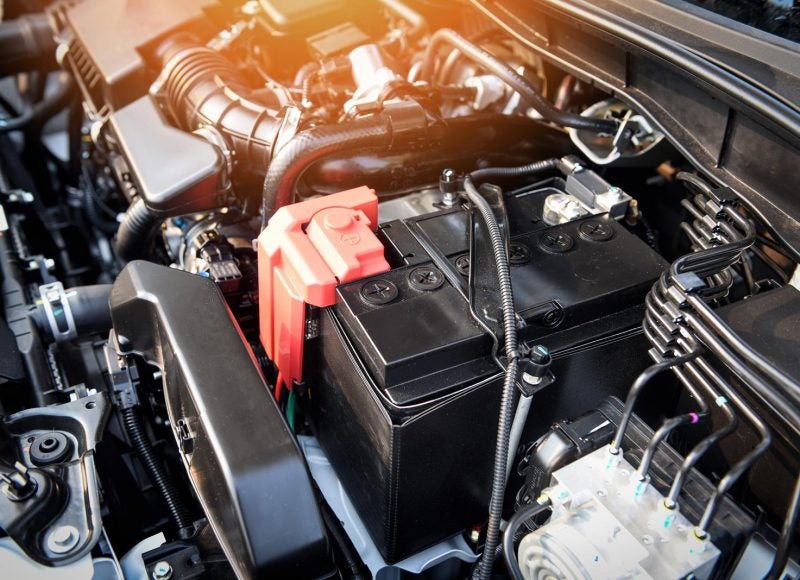
Cold weather can damage your vehicle and require it to have auto repair services. Auto repair services will cost more money out of your pocket and mean much more time you need to spend on your car. Understanding the compromised car parts that will be exposed when the weather gets cold will help you better prepare for any repairs that you might need done and possibly protecting those areas of your vehicle.
Battery
The battery of your car will be the first thing to be affected by the cold weather because cold weather will drain any battery, not just including your car battery. That is why it will be the first thing to go and it will drain quickly if it is not strong. You can get your battery tested at your local auto store for free and even buy a new one right there with a multi-year guarantee so if anything happens to it then you can just get it changed for free and you will not have to worry. A battery is something that will be charged by your vehicle by running it more. The cold weather will only really impact a bad battery that is older and doesn’t have as great of a charge to it.
Tires
Your tires will be the next things affected by the cold weather. More specifically, your tire pressure will be the thing affected by the cold weather. Cold weather makes air retract and leave tires quickly. This can cause your tire pressure monitors to go off because they will sense that your tires are not filled to the maximum levels of performance. The best thing you can do about this is to preemptively prepare for your tires to deflate a little by inflating them before the winter season starts and throughout the entire winter season as well. That way, you will be better prepared for the cold weather that you have coming your way. In addition, getting new tires before the weather gets cold will also help save your tires because they will be less likely to get a leak in them and lose air if they are new.
Belts
The belts on your vehicle can easily start to freeze up if they are not properly adjusted before the cold weather starts. Oil and adjusting by your mechanic can help you prepare your belts for the cold weather that is approaching. It is because these belts are mainly comprised of rubber which easily affected by the weather it makes it harden and then it might crack or even develop some holes in it. Just like the battery, the older your belts are the more susceptible they will be to the cold weather and damage. That is why it is important to keep them updated by your mechanic and running smoothly long before the winter weather season approaches. This way, you will not have to worry about the cold weather affecting your belts when you are trying to make your way through a winter storm, it can save you a world of expenses and headaches.
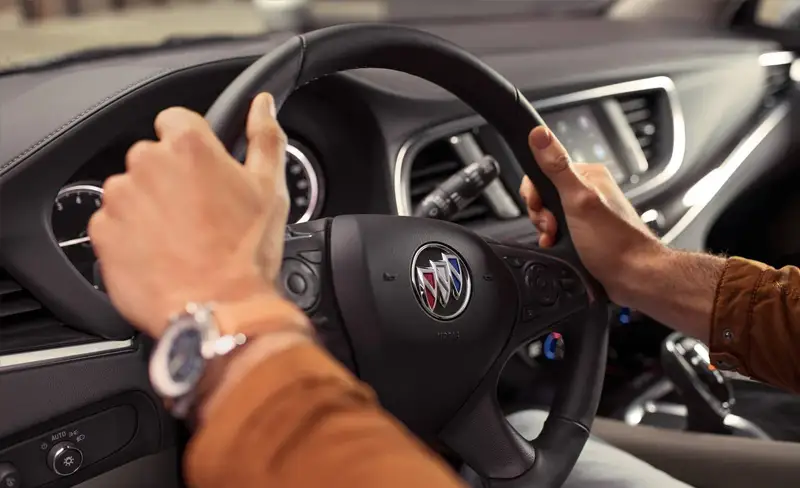
On the best days, driving can be quite a hassle and the only thing that makes it easier is the system is working efficiently. However, sometimes, the steering wheel gets hard to turn. If that happens, your first instinct may be to visit the auto repair. Before doing that, let us examine some of what causes stiff steering.
Faulty steering rack
The steering rack is made of two things; the pinion and the rack. The steering rack attaches to the wheel through shafts and U-Joints. As time goes, and as continue driving the vehicle, the steering and the areas attached to the wheel start to wear out.
If your driving wheel only gets stiff after starting the car, then that’s a clear indicator that the steering rack is the problem. If your steering rack is the problem, then the wheel should get freer as you drive. All the same, you should replace it as soon as possible before it worsens.
Broken serpentine belt
A cracked serpentine belt is also another reason why the driving wheel may be stiff and hard to turn. Whenever your car is in motion, the serpentine belt is being used. Thanks to the constant use, the belt wears out quickly and ends up loose.
A worn belt quickly leads to a stiff wheel. If your driving wheel starts getting stiff, take it to an auto technician to determine the cause. If they identify the belt as the cause, then you should replace it as soon as possible. Failure to replace it on time can cause your car to break down completely.
Leaky fluid
If the power steering fluid in your system is low, it can cause your steering wheel to become stiff and hard to turn. It is easier for the steering fluid to start leaking if it flows from the pressurized hose area.
The hose tends to crack, or it may become loose which in turn makes it possible for the power steering fluid to leak out. The purpose of the steering fluid is to pressurize the system and lubricate the pump. Therefore, if the steering fluid is not enough to do the job, your driving wheel will end up stiffer than a board.
How to fix a steering wheel that is hard to turn
If you fail to catch the problem with your driving wheel on time, then you have no choice to go to an auto technician. However, if you catch the signs early, then here are some tips that will help you fix it.
Check the fluid level in the steering system
Low power steering fluid in the steering system is one of the reasons why your wheel stiffens up. With that knowledge, you should inspect the fluid level once you notice your wheel is hard to turn.
The power steering fluid is located near the engine so it is easy to monitor it. Keep the fluid in the system full and make sure the color is dark red. If you see that the fluid is dark, you should replace it immediately.
Monitor your tire’s air pressure
The air pressure in your tires also contributes to your wheel stiffening up. Regular inspection will help to prevent that and keep your steering working properly. The tires should have an equal quantity of air according to the PSI set by the manufacturer.
If you ask any more questions then you should visit your auto repair. Most times, it is better to get help from a professional than trying to fix things yourself.
Ignition Won’t Start
It may look like it is a simple thing to start your car, but it is a complex series of events that happen to pump up the pistons. You have to turn the key to get the electrical system up to create a way for electricity to run. However, if the ignition fails, the vehicle will not start. There are several signs that can help you know if your vehicle is headed for ignition failure. However, some symptoms of this problem can indicate other problems as well. In any case, if you see any of these signs go to an auto repair shop and let a mechanic do a proper diagnosis.
Causes of Ignition Failure and their Remedies
1. Faulty Alternator
This is a device driven by a belt, which charges the vehicle’s battery and creates a spark in the engine. When the alternator is not working, it stops to power the battery. The battery will then be tasked with powering accessories normally charged by the alternator leading to draining of the battery power. Once the battery is drained, your car will not start.
How to maintain an alternator
• Check for fluid leaks
• Look out for signs of a faulty battery
• Avoid high-tech add-ons to your vehicle
2. Failed Starter
A faulty starter motor will cause problems starting the car or make it completely fail to start. A bad starter produces a loud single click or continuous clicks the key is turned. The sound indicates activation of the starter but fails to connect with the flywheel to turn the motor. If the diagnosis is a faulty starter, your mechanic will fix it within no time.
Why do starters fail?
• Loose wiring
• Battery corrosion
• Oil leaks
• Dirty connections
• Worn-out or damaged parts in the system
3. Fuel System Problems
Problems in the fuel system can bring numerous issues, such as ignition malfunction, power depreciation, and rough idle. Issues with fuel include dirty fuel injectors, failed fuel pump, or a clogged fuel filter, which prevents gas from getting to the engine.
4. Faulty Ignition Switch
This is one of the least common reasons why your ignition will not start. An ignition switch wears over time, which is indicated by problems when turning the key. If you experience flickering dash lights when turning the key or get no reaction when the key turns, your car probably has an ignition problem.
5. Dead Car Battery
If your car battery dies, the car will fail to start. The battery provides electricity to run the car. When you leave the lights or accessories on, the battery will die. It will also die when it reaches the end of its lifespan. If the battery is drained of its power, you can power it but, if dies because of prolonged use, you need to replace it.
6. Stalling
Different issues cause this symptom. However, if it is associated with the ignition, stalling will happen when your car is in motion, not when idle. If you have problems starting your car, visit your auto repair shop as soon as possible. Do not wait for the car to stall in the middle of the road as it can endanger your life. Your mechanic will establish why your ignition will not start and carry out the necessary repairs or replacements.
Dangers of Driving with Bad Pump
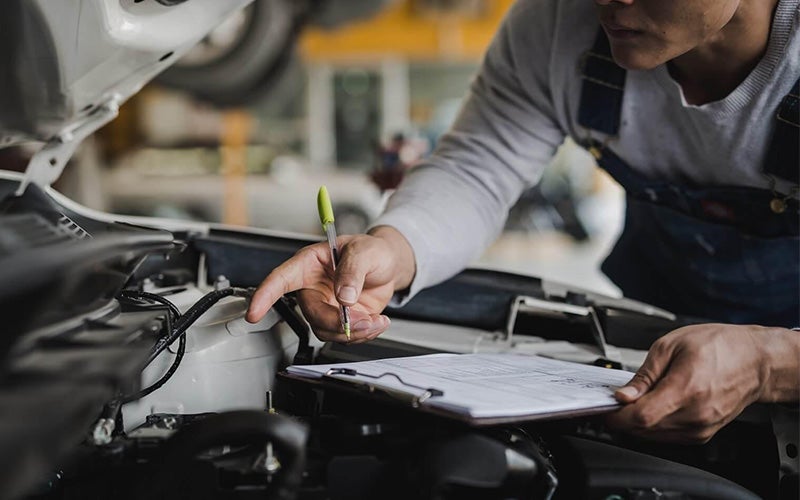
A water pump is a crucial component of every vehicle that supplies liquids from the radiator to the engine. In other words, it maintains the right temperature of the engine. As such, the problems that result from a bad water pump are eminent and can damage your car engine. For this reason, car owners should understand the signs and dangers of driving with a bad water pump.
Signs of a Bad Water Pump
When the coiling system of the car is not working effectively, the car engine will suddenly start overheating. Below are signs of a bad water pump.
Engine Overheating
When the car engine overheats, the radiator is not working as expected. The water pump is not allowing the engine to cool thus causing the engine to overheat.
Steam or smoke coming out of the radiator
If you find smoke or steam gushing from the radiator, stop the car. This happens when the damaged engine near the fan of the pump has failed. Call the experts when this occurs. Do not restart the car because this will cause severe consequences.
Unusual Sound
A bad water pump can make some noise. The noise occurs when the bearings fail inside the water pump or there is a loose bearing.
Other Signs to Look for
• Liquid overflow
• Pump rust
• Abnormal temperature gauge
• Holes on the dry side of the water pump
• Reduced heat or lack of heat
What Causes the Water Pump to Fail?
Several factors cause a water pump to fail. Even though, this component wears and tears over time. The following things will hasten the process.
Improper Installed Belt
Water pumps that are too tight or misaligned cause the component to seize causing the water pump to fail.
Wrong coolant
An infected or bad coolant will cause rust inside the water pump causing it to fail.
Dry running
A water pump that runs low on coolant does not have the required lubricant to keep the seals working. When these seals overheat, they fail to function and can cause more leakage to the coolant.
Other Causes
· Blown gaskets
· Flushing the coolant on time
· Wear and tear
· Improper installed belt
· Things to Note When Replacing a Water Pump
Cost
The total cost of replacing the water pump depends on the model, make, and labor incurred. On average, the price of a new water pump ranges between $50-$100. The labor cost raises the cost as it ranges from about $200 upwards subject to the toil level of reaching the pump.
Timing
Water pumps should last about 60,000 to 90,000 miles just at the same time as a timing belt. When you have a timing belt, it makes sense to replace the water pump when you have the timing cover off. It is advisable to replace the water pumps before they fail.
Verdict
It is not advisable to drive a car with a bad water pump. Signs of a bad water pump like leakage, smoke, and overheating should be addressed with immediate effect. A completely damaged water pump can cause a complete engine failure.
Replacing a water pump is the solution to all these problems. Seek the help of a qualified expert who will not only replace the component but also check the entire engine system.
Fuel Line Repair Indicators
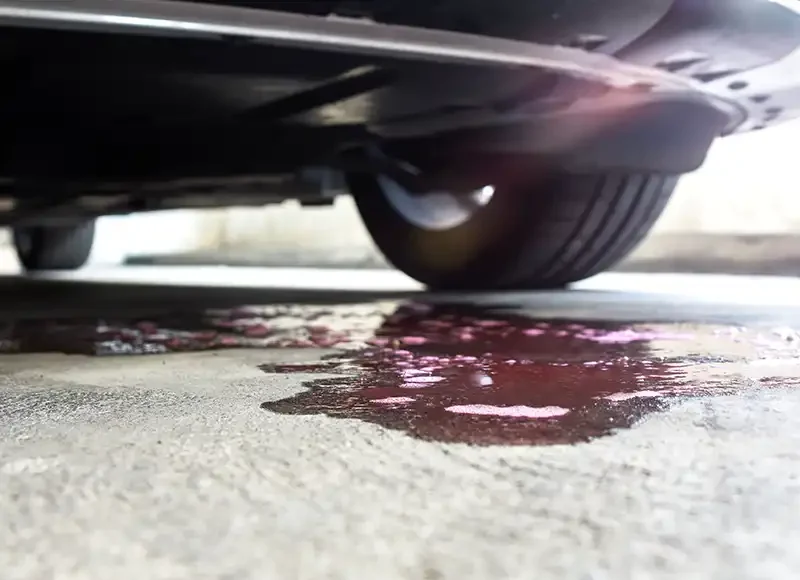
The fuel line brings fuel from from the storage tank to the vehicle. The line is commonly made of reinforcement rubber to prevent splitting and kinking. The fuel system is crucial to the smooth running of the engine. Parts of this critical system can wear out just like any other part in the car. These lines are vulnerable to breakage after years of wear and tear. In most cases, they can become dysfunctional without prior warning, but there are few signs you can watch out for to know whether the line is broken or compromised.
In this case, when the line is broken it becomes leaky, producing drips or in more serious cases puddles of fuel underneath the vehicle. Initially, a leaky line will cause a drop in fuel pressure which is capable of compromising the operation of the fuel system. This can cause minor triggers and engine misfires, which may lead to stalling. Driving with a broken fuel system is very dangerous and can potentially result in injuries or even death from fuel leak fires. Notably, it poses a major hazard, which is why you should fix it immediately upon noting signs of leakage.
How do you know your car has a leaking fuel system?
You can take your vehicle to an auto repair for check-up to determine if the fuel line is broken. First, the mechanic will put the vehicle on jacks and then closely follow the line, which runs from the rear of the vehicle to the front.
If the mechanic spots an area with a buildup of dust and road grime and an area with wet spots, then there is evidence that the line has a leakage. Besides these follow-up processes, there are various other common indicators to tell whether a car has a leaking fuel line.
One of these indicators is engine performance. Once a vehicle has a leaking line it develops some problems with the engine performance system causing issues such as hard starting, stalling misfires. In some cases, it can even prevent the car from running at all due to the flaws in the performance of the engine.
Repair Indicators
Another indicator is an odor or a constant gasoline smell coming from the vehicle. Another indicator that the line is broken is visible fuel leaks. In this case, the fuel leaks will depend on a vehicle’s fuel injection lines whereas some may be at the front or rear of the vehicle. Usually, leaks that are large enough to produce visible puddles are likely to cause performance issues and should be repaired as quickly as possible to prevent them from developing into safety hazards.
Usually, auto repair shops have advanced systems that can help with diagnosis to determine the state of the fuel system, and other critical vehicle systems and components. You should take your vehicle to an auto repair regularly for maintenance. A broken fuel system poses a major problem to the functionality of the entire engine system. Regular maintenance ensures that the problem can be detected and remedied early enough.
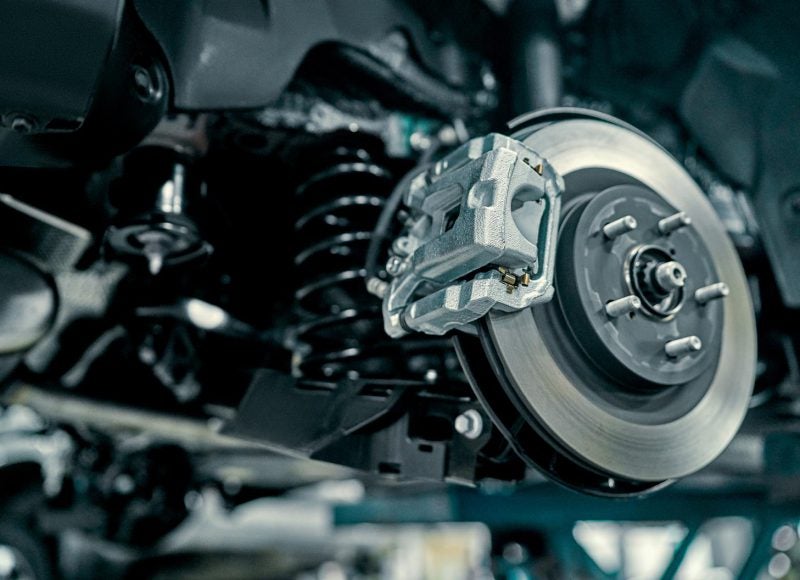
Driving with bad brakes is not just a bad idea. It is also dangerous. Luckily, most drivers can tell when something is wrong with them. However, they may not know what caused it. So, what are the easiest ways to tell your brakes need to be replaced? Not to mention, how have your driving habits affected them?
When Should You Consider a Brake Repair Job?
As long as you pay attention, noticing a pair of bad brakes is not too difficult. If you notice any of the following issues, take your car to a shop ASAP. That way, mechanics can identify the issue. Then, you can fix it.
· The Brake Pedal Is Too Soft
· Pressing the Pedal Is Too Hard
· The Vehicle Shakes or Vibrates When Braking
· The Brake Light Never Turns Off
· Burning Smell
What Causes These Problems?
Generally speaking, the way you drive impacts how quickly your brakes wear down. By improving your driving habits, you prolong your brake’s life. There are various driving habits are all detrimental to your brake’s health.
Braking Aggressively
Do you like to drive fast? If so, you might be braking too aggressively. This is more common when you live in high-traffic areas. The more you use your brakes, the quicker you need to replace them.
Carrying Additional Weight
Do you drive with a trailer? Additional weight puts extra load on your brakes. Consequently, slowing down takes more out of them.
Neglecting Regular Maintenance
Maintenance neglect is the most common reason for brake failure caused by the driver. As long as you follow the regular maintenance schedule, you will not have to worry about this.
How to Maintain Your Brakes
Maintaining your brakes is straightforward. Just follow the schedule listed below. As long as you do not skip any, your brakes should never give you any problems.
Every 15K Miles
Review the brake pads. If they are smaller than 1/8 of an inch, replace them. Then, look at the brake fluid. If it is dirty, drain and replace it.
Every 50K Miles
Check out your rotors. Chances are, by 50K miles, they need to be replaced or resurfaced. It is important to note; rotors normally can be surfaced only one time.
The Basics of Brake Repair
Knowing how brakes function can help you narrow down the source of any problems. Brakes are not a single component. In fact, there are several mechanical pieces involved. Here are the most significant.
Master Cylinder:
The master cylinder is what gives your brakes the hydraulic power they need. Without one, your brakes cannot apply enough pressure. Regularly inspect them. That way, a broken master cylinder never surprises you.
Brake Line
The brake lines are full of brake fluid. The master cylinder pressurizes the fluid when you press on the brakes. Then, brake lines transfer power from the pedal to the actual brake pads.
Rotors and Pads
The rotors and pads are two separate pieces. When you press on your brakes, the pads press into the rotors. This is what slows down your vehicle. Both pieces need to be replaced regularly.
Do You Need Auto Repair?
No matter what, never drive with a pair of bad brakes. Without good brakes, a car is little more than a metal death trap. Luckily, we are ready to help. If you suspect your brakes need repair, let us handle it. Our experienced technicians are standing by.
Addressing a Bad Transmission: The Warning Signs
It is important to anticipate the warning signs of a bad transmission so that you can effectively address the situation as soon as possible with a transmission repair. Having a realistic expectation of the pricing helps to prevent any surprises when you get the bill. This transmission repair is usually a fairly steep one, but promptly assessing and addressing the transmission will potentially save you stress and money. Just because your vehicle is having transmission issues, does not mean you will have to replace the entire system. There are some warning signs that can allow you to get the car in before it becomes a catastrophic nightmare issue.
A decline in shift quality and overall feel
Pay attention to the feel of your vehicle when switching gears and it will pay dividends by getting it in early. Clunky and strange shift patterns may be indicative of a major problem with the transmission. When speeding up the car should run smoothly, but if it seems like the transmission is struggling to get up to speed then there may be an underlying issue that needs attention. Your car should have smooth gear transitions and when it becomes labored, it is telling you to take it in. Many people ignore this warning sign and end up damaging the car further over time.
Abnormal Noises signal complications
There are certain noises that will occur when your transmission is experiencing issues and these can include grinding, whistling, humming, or aggressive growling. If you had a pet that was barking uncontrollably and always whining, then that would be a sign to take them to the vet. It is the same deal when assessing the transmission issues in any car and you should listen to the sounds it makes because that is valuable information about the needed auto repair. If the system is making strange noises, it does not have to be loud. It can be subtle so use your ears to take note of any differences without waiting to take it in. Even light humming can be a sign that the transmission is starting to fail and needs attention.
Overheating is a palpable warning sign
Overheating of the transmission is directly linked to the transmission fluid in many cases, and it is possible you have an improper fluid level. If there is not enough fluid to cool the transmission then it will overheat and cause a multitude of problems that can render your car useless. Mechanical faults are also contenders for overheating and the only way to know for sure is to take it to a professional who can distinguish the difference through diagnostics and auto repair. In this case, there is also the possibility that there is just some burnt fluid causing things to get hotter that needs to be cleaned. A transmission flush can effectively clean out any burnt fluid and solve this issue.
Ways to keep your transmission healthy longer
Below you will find effective ways to mitigate the factors of transmission failure and achieve optimal results for your vehicle longevity. Every car breaks down eventually, and transmission is usually one of the first things to have issues. When you utilize these tips, it will help to increase the lifespan of your car and reduce the risk of premature transmission failure. Implement these tips and take care of business for increased awareness of the potential issues that many overlook!
· Drive Safely and smoothly
· Take proper care of your transmission
· Note your transmission fluid
· Shift Properly
· Utilize Common sense
· Let a professional diagnose issues
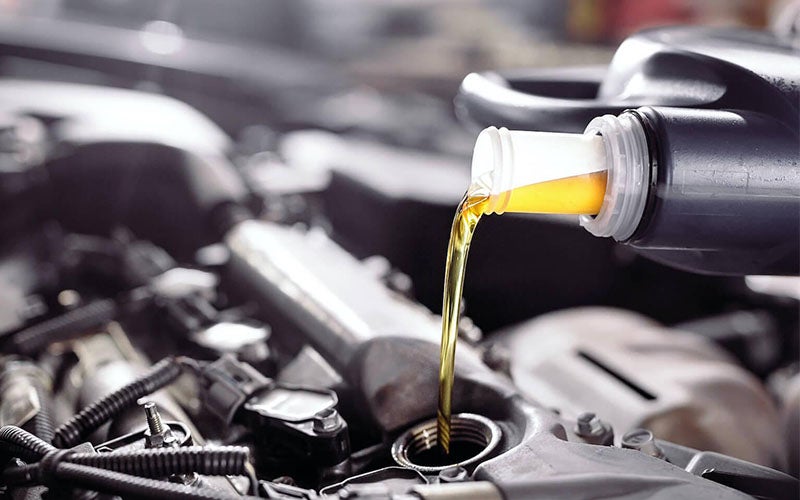
No matter what kind of vehicle you may drive, the road from being in perfect condition to being fit for the junkyard is just a little bit of negligence. Let us look at these specific issues in greater detail below.
Lubricants
All it takes is one leaky gasket to suck the oil and life out of your vehicle. In addition, with the recent reliance on synthetic oils, which do not contain paraffin wax, the incidence of oil leaks is becoming more common. In traditional oil, the paraffin waxes naturally found in it has a self-sealing property that closes up small leaks. Nowadays, the tiny molecules of ultra-refined synthetic oils are seeping right through the tiniest cracks.
While oil damage and using the wrong kinds of oil often cause the most serious failures, there are many other issues to look out for every time you have service.
Fuel System
If you do not bring your vehicle to an auto repair shop to perform regular maintenance and inspections of your fuel system, you can wind up on the side of the road with an expensive repair bill. The fuel filter is one of the most neglected parts in the system. A fuel filter should typically be swapped out every two years or sooner if you do a lot of driving or buy cheap gas.
The fuel filter prevents particles from getting to the fuel injectors and helps to ensure that they atomize fuel correctly and are not gummed up. Leaky injectors, poor spray patterns, and gummed up injectors that do not open will all cause misfires, poor fuel economy, and will slowly destroy your engine.
Cleaning the injectors, every 15,000-20,000 miles or so, is another item that is often neglected. Routine maintenance of the fuel system will help you pinpoint problems if there is a running issue and will extend the life of your fuel pump and other parts.
Fuel Management Systems
Aside from the hardware, you also have sophisticated sensors and computers in your vehicle that map out the optimal performance variables. The oxygen sensors are located in the exhaust system and help your engine dial in the ideal fuel-to-air ratio. There are also MAP and MAF sensors that help calculate the volume, temperature, and pressure of air induction.
In addition, you have coolant temperature sensors that help your vehicle to formulate the right level of fuel for maximum efficiency. Replacing these sensors only if they trigger a check engine light is a bad idea. Many times, these sensors simply build up internal resistance over time and never trigger a diagnostic error. A qualified auto repair shop will simply replace them after a few years or after an exorbitant number of miles.
Ignition System
The ignition system delivers a reliable spark to promote maximum combustion. Nowadays, the spark plugs often have platinum electrodes that do not degrade as quickly as copper. Therefore, they only have to be checked every 30,000 miles and replaced at about 100,000 miles. If they are not checked for pitting, fouling, and other damage, then they can cause misfires and may also seize in the engine if locked in place for so long.
Other Components
Another aspect of routine maintenance is seasonally checking the health of the battery, alternator, and all the electrical systems. Generally, the batteries die because they evaporate electrolyte and overheat. Although they tend to die in the winter, this is only because the chemical processes are slowed down and the weakness becomes more obvious.
If you want to keep your car driving like new for a long time, a little preventative maintenance is all it takes.
The Most Common Exhaust System Problems
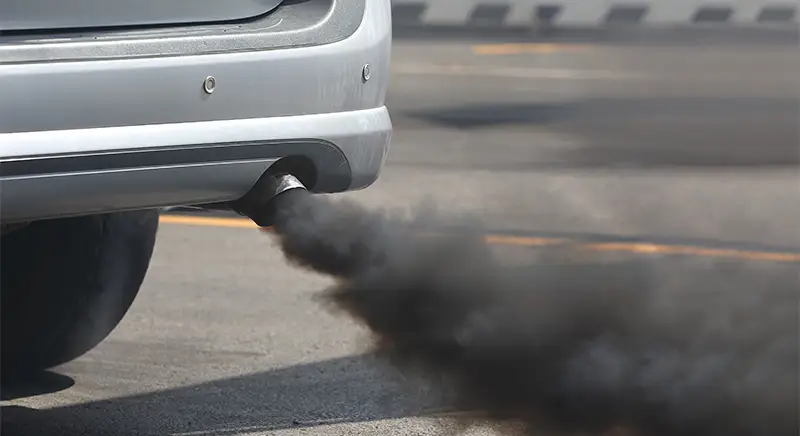
The exhaust system is made up of pipes that draw gases from the engine to the outside without harming the car users. Before the gases are emitted into the environment, the exhaust will remove the harmful substances from the gas. That is done to reduce the chances of high pollution in the environment. The system is made up of pipes, hangers, clamps, and sensors that collaborate to make sure that the emitted gases do not suffocate the vehicle users.
A sound exhaust channel will also make sure that the engine works in good condition. Like any other part of a vehicle, the exhaust channel will develop issues that may damage the engine. It is therefore crucial that you give your vehicle service to ensure that everything is working in order. Significant parts of the system and what they do include:
· The Manifold – It collects the gases emitted in the engine combustion chambers and directs them to the exhaust pipe.
· The Converter – Using several catalysts, the converter turns the emitted gases into carbon dioxide and vapor.
· The Resonator – It enhances the emission of the gases by ensuring a steady flow of the gases in the exhaust pipes.
· Tail pipe – The tail pipe draws gases from the converter. It passes under the vehicle’s bumper and to the air as carbon dioxide and vapor.
Breaking Down the Most Common Exhaust System Problems
There are multiple signs that may indicate your exhaust channel is not doing too good. Examples include when you can smell gases while inside your vehicle and/or increased fuel consumption. Other potential indicators include when your vehicle cannot accelerate faster easily as well as when and engine noise. Another example includes when your exhaust pipe is touching the roads while operating the vehicle. These indicators call for a professional auto repair examination, otherwise vehicle damage will arise including rust, faulty and loose hangers, leaks due to wear and tear, blockages in the converter, or a faulty oxygen sensor.
Rust
Rust is the number one enemy of the exhaust pipe. Rust is formed by the vapor’s condensation that never gets the chance to be burnt off the exhaust pipe. It is always advisable that you do not turn on your vehicle and leave immediately. Give the car some time to heat the condensed water in the exhaust and emit it in vapor.
Faulty and lose hangers
When the exhaust pipe hangers are broken, the exhaust pipe seems to hand and drag on the ground. If by any chance they break off, they can be a cause of accidents. Visit an auto repair shop regularly to have your brackets tightened.
Leaks due to wear and tear
Sometimes, the exhaust chimney is broken due to being hit on rough roads and bumps. Broken parts in the exhaust channel lead to gases that are to be cleaned in the converter are emitted as pollutants in the environment.
Blockages in the converter
When the converter is clogged, it will not be able to clean the dangerous fumes. This means that they will reach the environment causing pollution. The converter is blocked when small bits in the exhaust channel are deposited in it. Mostly, if your car drives on rough roads, the wear and tear is accelerated.
A faulty oxygen sensor
If your oxygen sensor is not working correctly, it causes an imbalance in the air and fuel mixture. A low air supply and more fuel make the mixture hotter than it is supposed to, causing clogs in the converter.
The Bottom line
If you have noticed any of the above symptoms in your car, it is time to visit an auto repair shop. Having your car inspected and serviced every year will save you from the repercussions of the exhaust chimney’s faults.
The Effects of Cold Weather on Vehicle
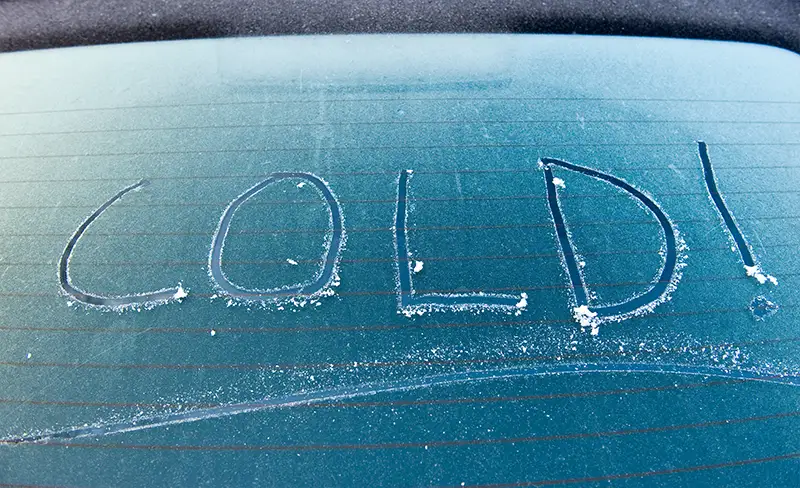
Many vehicle owners go through the seasons without giving more thought to the stance of their vehicles than when driving in warmer weather, when elevated concern is sometimes necessary. It is important to pay attention to your car and be proactive about repair during the winter or colder weather in general because cold weather can affect vehicles differently. Here are auto situations that compromise safety more frequently when it is cold:
· Car accidents increase, which can translate into collision repair needs.
· The cold weather may prompt internal issues with your vehicle, calling for increased general auto repair needs.
Why do repair needs increase in the cold, and what can you do about it?
Car accidents happen during the winter for all sorts of reasons including road conditions, weather conditions in general such as slippery roads, darker nights and mornings, as well as rain and snow depending on where you are travelling. For this reason, it is important your car is prepared to drive especially defensively. Accidents can help be prevented through vehicle scheduled maintenance or regular tune-ups. A compromised brake system or stuck steering wheel for example can heavily influence the safety and vehicle damage aftermath of an accident.
How Can an Auto Technician Help?
A mechanic can tell you if there are things to take care of before the winter hits. The roads are going to be slightly more slippery, potentially. Your brakes need to be impeccable. An engine is a system of moving parts; on top of that, so fluid levels should be correct to not compromise damage or vehicle control.
Additionally, your battery should not be compromised as the last thing a driver needs is their battery to go out while out in negative degree weather, or cold weather at all really. Tires should also be intact as balding tires could make it easier for a vehicle to spin out.
In addition to this, tires can lose about one pound of pressure for each 10-degree temperature drop, and underinflated tires can easily cause you to lose traction that could lead to a car accident, compromising safety and increasing the need for collision repairs.
What Can You Do to Stay Safe?
An important thing one can do beyond having a mechanic inspect a vehicle is to actively practice safe winter driving habits.
A driver should consider taking a defensive driving course, especially if a new driver, to learn specific driving tactics and review practices such as how much space to keep between vehicles and which way to turn a wheel if faced in a collision. Education, whether a new driver or a driver who has not taken a driving course in many years, will only benefit a driver and help increase awareness.
If possible, a driver should also try to avoid travelling long distance if the conditions compromise safety too substantially.
Car Troubles Caused by the Temperature Drop
It is important vehicle owners are aware of the specific repair needs that increase for vehicles more so during colder weather. For example, a little crack on a window could get worse when it is chilly.
This happens because the combination of the cold weather with a turned-on heater adds stress to a windshield. Ideally, you want to keep your car in a heated garage to prevent these kinds of issues.
Thickening fluids can also become a problem during the winter or cold weather. Colder temperatures can thicken transmission fluid, or it can cause fuel lines to freeze, potentially making it more challenging for a vehicle to start. It is recommended to keep fuel filled up to prevent this and to let a car run or warm-up for 10 minutes before driving off.
If this happens too often, a vehicle may develop leaks because of the taxing weather, potentially prompting vehicle maintenance or auto repair.
Colder weather can prompt increased auto repairs and increase the possibility of collisions, increasing the need for auto body repair. Please be especially mindful during the colder seasons. We encourage elevated precaution and repairing any general auto repairs or auto body repairs such as a compromised windshield before embarking on long drives during the colder weather.
Connect with us


- August 2024
- July 2024
- June 2024
- May 2024
- April 2024
- March 2024
- February 2024
- January 2024
- December 2023
- November 2023
- October 2023
- September 2023
- August 2023
- July 2023
- June 2023
- May 2023
- April 2023
- March 2023
- February 2023
- January 2023
- December 2022
- November 2022
- October 2022
- September 2022
- August 2022
- July 2022
- June 2022
- May 2022
- April 2022
- March 2022
- February 2022
- January 2022
- December 2021
- November 2021
- October 2021
- September 2021
- August 2021
- July 2021
- June 2021
- May 2021
- April 2021
- March 2021
- February 2021
- January 2021
- December 2020
- November 2020
- October 2020
- September 2020
- August 2020
- July 2020
- June 2020
- May 2020
- April 2020
- March 2020
- February 2020
- January 2020
- December 2019
- November 2019
- October 2019