

Symptoms of Bad Alignment: Causes and Indicators

An alignment is not always noticeable. You may be driving down the highway only to suddenly realize that you are veering to the left for no reason at all. The answer could be because of a bad wheel alignment. While it may seem like a simple solution to just over-correct your steering, allowing your car to suffer from a bad wheel alignment can snowball and create other bad effects on your car. Here are a few symptoms of a bad wheel alignment and what it can means for your car.
Common Bad Alignment Indicators
Some common signs that your car is misaligned are:
· Vehicle pulls to left or right
· Tires make a squealing sound
· Tire wear is uneven
· Steering wheel isn’t aligned with the tires
Let us look at these signs in more detail.
1. Vehicle Pulls to Left or Right
This is most noticeable when you are driving. If you are heading down the street and you find your car drifting, despite holding the wheel in the straight direction, then it is due to a bad alignment. You will have to over-steer in order to keep your car going in the direction that you want.
2. Tires Make a Squealing Sound
This sound typically occurs when you are turning. It may be due to friction or another cause.
3. Tire Wear is Uneven
Because the tires are not setting on the ground at the right height, certain parts of the tire will touch the street more often than others. As a result, you are left with uneven tire wear. This can damage the tire if it is allowed to continue.
4. Steering Wheel Isn’t Aligned with Wheels
Perhaps when you park your car, you may find that even though you are in a straight line, your wheel is turned to the side. This is a sure sign that you have a bad alignment.
What Causes Bad Alignment?
There are few causes behind a bad alignment. One of them is that there is too much weight on one side of the car. If you overloaded your backend, for example, then the front side of your car is going to be lifted off the road ever so slightly.
Another reason may have been an improper tire installation from an auto repair shop. By incorrectly placing the wheel height, or somehow messing with the chassis height, your car is unable to drive evenly on the road. That is why it is always vital to take your car to our auto repair shop. We have the experience to service your car the right way.
How Our Auto Repair Shop Can Help
Attempting to fix your alignment on your own can be difficult. The process involves removing your tie rods a lot and measuring the proper angle and distance of your wheels. Our team can ensure that your car’s alignment matches its factory-standard setting.
Visit Us Today
Do not let your tires become chewed up because of a bad alignment. Keep your tires–and car–going strong by visiting our repair shop today. We will keep it running.
Poor Acceleration Auto Repair Reasons

If you have been driving your car for a while, you know what to expect when you press down on the gas pedal. You should gain ample speed depending on how much pressure you apply. However, over time, cars can lose their ability to responsively accelerate. You might step on the gas and feel some hesitation.
Combustion and Acceleration
A car’s combustion engine should get fuel from the engine, and then push the exhaust fumes away from the vehicle. This intricate system of sensors and other mechanics help the combustion process propel you automobile forward. When something in this system fails, your car might not accelerate as well as it used to.
Reasons for this include:
· Fuel system issues
· A failed catalytic converter
· A dirty or damaged Mass Air Flow Sensor (MAF)
· A malfunctioning oxygen sensor
· The timing belt
· A dirty or clogged air filter
Reasons for Poor Acceleration
A vehicle that will not accelerate properly needs to be inspected as soon as possible. Knowing what to expect can help you approach your mechanic with your concerns and how much to expect in auto repair bills.
Fuel System Problems
When fuel delivery is lacking, vehicles will not accelerate properly. This could be due to issues like a fuel filter becoming clogged or dirty, the fuel injector getting clogged or malfunctioning, or the fuel pump being defective.
Fuel injectors control the amount of fuel that is delivered to the combustion chamber. The delivery passages are relatively small and can become dirty/clogged over time with particles left over from the combustion-making process.
A bad fuel pump can be a worst-case scenario. These pumps take fuel from the gas tank and pump it through the fuel lines to the engine. If a fuel pump goes bad, it will not deliver enough fuel for acceleration, potentially even leading to the engine stalling.
The Catalytic Converter
A failed catalytic converter means that the “cat” cannot get enough exhaust out of the engine, leading to a back up of pressure. This can also cause the engine to overheat.
The MAF
This sensor is attached to the inlet air cleaner and measures how much airflow gets into the engine’s air intake system. If the system is clogged, it might send incorrect information to the car’s computer.
The Oxygen Sensor
This sensor tracks the vehicle’s oxygen emissions by analyzing the air-to-fuel ratio. This data is sent to the internal computer, but if the sensor is bad, the engine cannot properly regulate the air-to-fuel ratio.
The Timing Belt
The timing belt works with the engine’s pistons and is attached to the camshaft (which controls the valves opening and closing) and crankshaft. The timing belt controls the timing of the valves opening and closing. If the belt is off by even a slight amount, the vehicle might not accelerate as quickly.
The Air Filter
Air filters filter out debris from the oxygen being sent to the engine for combustion. A dirty/clogged filter means that not enough clean air is making it into the engine for a proper air-to-fuel ratio.
Whatever the cause, be sure to get an auto repair professional to service the vehicle as soon as possible. The longer you put it off, the worse your car’s acceleration might become.
Brake Repair: Top / Common Causes for Brake Damage

One of the most critical components of your vehicle is its brakes. Without brakes, your vehicle can only do half of its purpose. Therefore, brake repair and maintenance should be one of your top priorities as an automotive owner. It is critical to ensure your brakes are running smoothly to avoid injury to you, your vehicle, or someone else. Fortunately, there are many indicators to give you a heads up about any possible hazards in your braking system. Below are the top signs to let you know if you need to schedule brake repair with an auto service technician expert. If you are experiencing these problems with your braking system, it is important to contact a professional right away in order to replace or adjust the pads to prevent further damage.
Squealing or screeching noise
This is often the first indicator that your vehicle needs brake repair or has a problem with the braking system. This noise is made by the metal shim when you depress the brakes. If this is a one-time occurrence for your vehicle, it could be due to an exposure of water in your braking system. However, if you are hearing it constantly it is time to schedule an appointment at your local auto repair shop
Grinding noise
This next indicator lets you know that it is definitely time to get you braking system inspected by a professional. Any grinding noise coming from your brakes is caused by the metal disc and caliper colliding due to worn out brake pads. This is very dangerous to drive on!
Spongy Pedal
A less noticeable indicator that your brake pads are worn down is having a spongy pedal. This means that your braking system is not responding as it should and is requiring you to push down really hard on the brake pedal with a minimal response.
Vibrations or Pulling
This indicator is dangerous because it means you lack control over your vehicle. When you have uneven or warped brake pads due to intense friction, your vehicle will consistently vibrate and pull to one side. This is unsafe for you and should be taken care of immediately. Our team is full of experts on this topic and will help you get to the root of the problem to get you back on the road driving safe in no time!
You rely on your braking system way more than you would like to think and therefore underestimate the amount of maintenance it needs which leads to increased damage. That is why it is essential to remain cautious of all the signs listed above. If you happen to notice any of these indicators give one of our highly trained technicians who has spent years handling braking systems just like yours a call to get to the root of the problem! If you have any concerns at all on your braking we have been reliable provider in your area for years and will complete any of your auto repair needs to get you back on the road quickly and efficiently.
Signs You Have a Bad Alternator
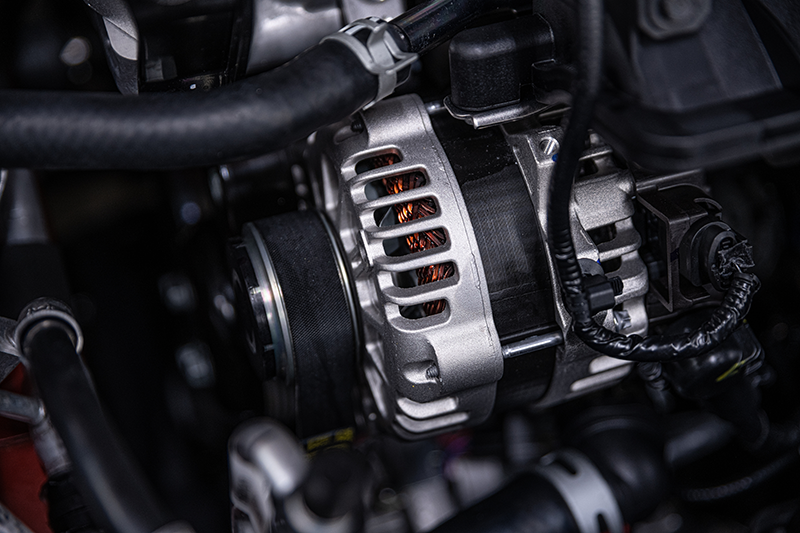
The alternator plays a critical role in converting the energy from the crankshaft into the car’s electrical system. In simple, the alternator converts mechanical energy to electrical energy to power up your car’s systems. Most importantly, it helps recharge your car battery.
However, most alternators fail due to time, mileage, and use. Other issues like leaking fluid may contribute to the premature failure of the car’s alternator system. For instance, water damage to the alternator shaft bearings may occur when you drive through it.
Alternator failure sets a chain of events such as dim or flickering headlights, strange noises from the engine, or other electrical failures.
Even worse, finding a reliable mechanic who can perform alternator repair can be a daunting task.
According to statistics, the average lifespan of an alternator is seven years or about 150,000 miles. The quality of the part and the overall condition of your vehicle also determines its lifespan.
With that in mind, here are some signs of a busted alternator.
Difficulty Starting your Car
A failing alternator system can be the reason that your car is not starting. Ideally, a set of warning lights on your dashboard can warn you early of impending failures. As soon as you notice your battery warning light flickering, contact a technician for alternator repair.
Flickering Headlights
When it comes to driving at night or through the fog, Car headlights help in navigation. The alternator provides the headlights with power, making driving more comfortable and safer at night. Dimming or flickering headlights can be a clear sign that the alternator is struggling, and a pointer that you should have a technician check it out.
Dead Car Battery
A dead battery comes with a lot of stress, especially when you are far from home or a town. While sometimes batteries fail due to age, they can also do so because of a busted alternator. If so, visit an alternator repair technician.
Failing Electrical Systems
Apart from the dimming headlights, electrical systems powered by the alternator can also start to fail when this component malfunctions. Signs include malfunctioning dashboard lights, AC, power windows, even the car radio.
We’re more than Ready to Help
It is advisable to consult a professional to replace or repair the alternator when it starts acting up. Moreover, the above signs should act as a wake-up call. Notably, we have adverse knowledge in addressing alternator problems.
For more information on alternators, contact us.
What Causes Flat Tires and How to avoid them
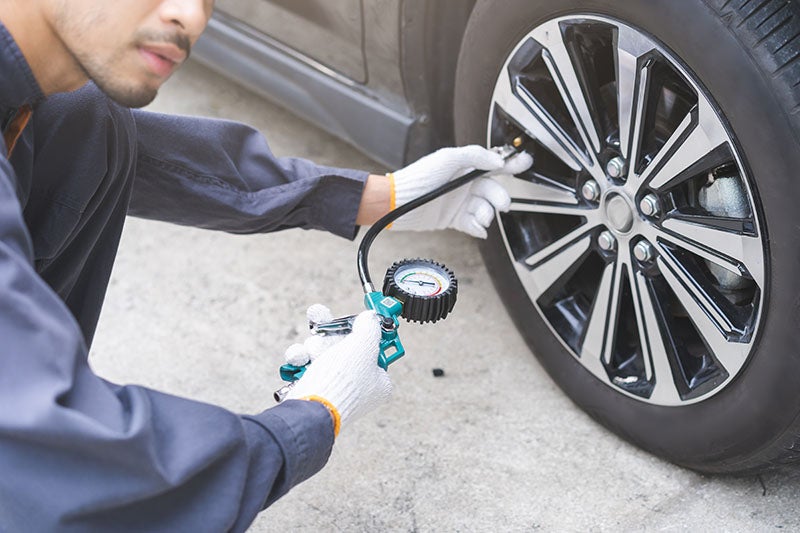
At a certain point in life, every car owner experiences a flat tire. This scenario is even more stressing when you experience it during inclement weather or late at night. To make the matter worse, a flat tire may jeopardize a driver’s life if it happens in an unsafe location.
While there is no sure way of mitigating this kind of a problem, regular maintenance and tire repair may help to point some underlying issue and help to reduce the probability of the occurrence.
Read on to learn more about what causes flat tires and how you can avoid them.
1. Sharp Objects on the Road
Sharp objects such as nails, shrapnel, and glass are the common causes of punctures that result in flat tires. Some of these objects are too small to see with the naked eye on the road.
Prevention
While it can be complicated to perceive some of the sharp objects on the road, it is imperative to take the necessary measures on what we can prevent. For instance, you should always avoid puncture and blowouts by driving around debris in the parking lot and on the road.
2. Bad Roads
Potholes, uneven pavements, and unexpected debris are every driver’s nightmare. Apart from wrecking the axle and suspension system of your car, they will cost you on tire repair. Such roads increase the chances of getting a flat.
Prevention
Safe driving is the best proactive measure when driving on bad road conditions. More importantly, always make sure you leave ample space between you and the car in front of you to keep a keen eye on the portholes.
3. Over-pumped Tires
Air pressure that surpasses the preset limit causes bursting of the tire in question. In addition, this pressure situation may create dangerous situations on the road through tire blowouts.
Prevention
Do not jeopardize your life on the road. Consult a tire repair specialist to understand the recommended PSI for your car’s tires and always stick to it.
4. Wear and Tear
As you drive your car through uneven pavements and portholes just to mention a few, the tires are bound to wear and tear—it is a natural process. This process is one of the major causative factors of blowouts and flat tires.
Prevention
To prevent fast wear and tear of tires always:
• Avoid fast starts and stops
• Keep your wheel properly aligned
• Maintain recommended tire pressure
• Visit tire repair shop to have your wheels rotated regularly
5. Valve Stem Leakage
Your car tire may not have any signs of a puncture but keeps on going flat. This is an indication that your valve stem may be leaking.
Prevention
Every time you take your car for regular maintenance have your local auto repair shop examine the stem valve to check for any signs of damage.
Conclusion
Flat tires can be mitigated but not completely avoided. While these vital car components play a crucial role in keeping you safe on the road, they may also jeopardize lives through blowouts and eventually road accidents. That is why you should keep them in good conditions.
For information on what causes flats, how you can avoid them, and flat tire
Auto Repair Warnings Indicated by Unusual Sounds

Unusual and unwanted car noises can be concerning, the thought of having to take your car in for an auto repair service can seem financially daunting especially during these times when budgeting is paramount. However, maybe it does not have to be. Here are some ways to identify car noises and the potential problems causing them. Once you have a better idea of what the issue might be that is causing the unwanted noise you may be relieved to find out that it can either easily be repaired without breaking the bank or you could plan accordingly to resolve the issue at hand in an affordable manner. Here is a short list of noises and probable causes.
- Squealing-often metal-on-metal in nature, possibly exacerbated brakes, pads or rotors
- Clicking -from under the bonnet might mean your engine is low on oil, problem with the valve train, or possibly a worn out engine for older vehicles.
- Rattling- indicative of something loose, or that something has lodged itself under the car.
- Popping/Banging- a vacuum or exhaust leak somewhere, a problem with the catalytic converter, or the engine may be out of tune
- Spluttering- it could indicate a problem with the engine’s fuel, ignition, or the exhaust system if noise is coming from front of car.
- Hissing- possible fluid leak touching a hot part of the engine, or a vacuum leak from one of the small hoses around the engine’s air intake.
- Grinding- sound from your car’s gearbox might be a problem with the clutch thrust bearing, or the clutch itself; shafts and gears inside the transmission
- Clanging- Might be metal part swinging around and hitting other metal parts something might be loose or detached
- Whirring- sounding like a fan after engine is turned off might be the operation of cooling fans, auxiliary pumps or air suspension, but not limited to these
- Knocking- when you accelerate, and can come from an engine that’s poorly tuned, or running on the wrong fuel, low on octane
These are a few of the potential reasons as to why your car may have begun to make any of these noises under no new circumstances. You rely on your vehicle daily and the importance of secure transportation might often times go unnoticed. If your car does randomly begin to make unusual sounds, the correct thing to do is to begin by either trying to identify the cause or to bring in your vehicle to an auto repair shop for a professional inspection. Rest assured that no matter what the cause may be for this new unwelcomed noise, there is always a reliable and reasonable solution.
Top 7 Check Engine Light Reasons
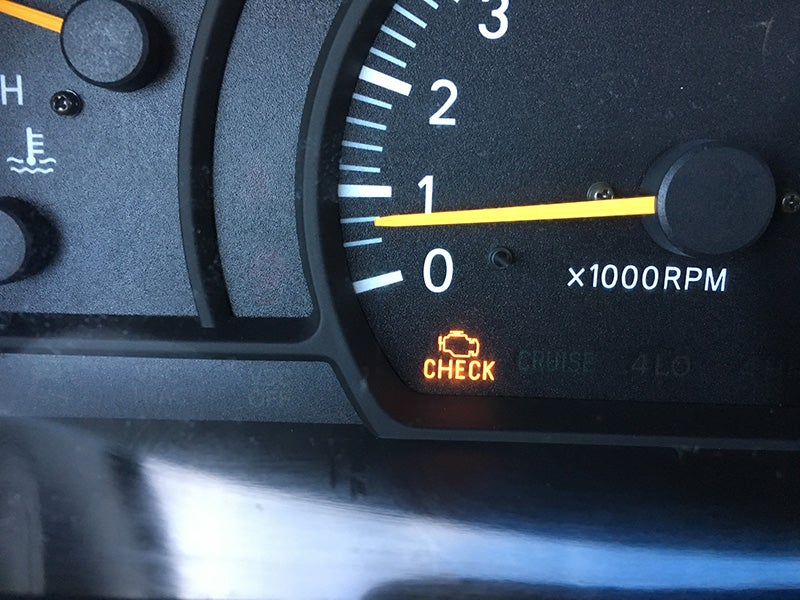
When the check engine light comes on, it is not the end of the world but it is a sign that there is an immediate problem with vehicle and it cannot be ignored. What does it mean when this light appears? Whether it be blinking or consistent, when the check engine light comes on your vehicle’s computer believes there is a problem that is damaging your car’s emissions control system. Now this damage and cause of the issue could be a variety of issues and severity. Regardless, this uncertainty of damage needs to be dealt with by an auto repair shop professional because regardless of the issue any problem with your engine will not get better and only get worse. Below we go into detail about the difference between a consistent check engine light to a flashing check engine light and then talk about the 5 most common reasons of why it may appear.
What do the different lights mean?
· Consistent Light – If you are seeing a consistent check engine light there is a problem with your engine. It is nothing that needs to be attended to with your next paycheck but it is something that is needs to be attended to if you plans to have your car for a longer period. Most of the time when the check engine light comes on it can be fixed at home and is just to signal a loose gas cap. However, if this does not solve the problem we strongly advise you to get the car looked at by a professional mechanic for an inspection.
· Flashing light – If you are seeing a flashing light on the other hand, this means that you need to pull over immediately as your vehicle has a serious issue (most commonly the engine is misfiring) that could cause severe engine damage. These problems are usually more complicated and therefore it is essential to get your vehicle in the hands of a professional immediately. Do not attempt to drive once this flashing light comes on.
The 5 Most Common Check Engine Light Reasons
· The oxygen sensors needs a replacement
· The oxygen sensor measures oxygen in the exhaust to inject the proper amount of fuel to the engine. If there is a problem here, it could cause your vehicle to lose up to 40% off its mpg.
· The Gas cap is loose or damaged
· Your gas cap covers the gas tank. It also works to prevent harmful chemicals getting into the environment.
· The catalytic converter is damaged
· The catalytic converter protects our environment by converting harmful carbon monoxide into carbon dioxide. Problems arise here due to lack of maintenance.
· Issue With The Mass Airflow Sensor
· This sensor measures the amount of air entering the engine to determine how to run your engine efficiently.
· Spark plugs and wires gone bad
· The spark plugs on a vehicle work to ignite the gas in the combustion chamber of your vehicle while the spark plug wires deliver the spark from the ignition coil to the spark plugs.
Need further assistance with your check engine light?
Head down to your local auto repair shop for all your vehicle maintenance and engine repair needs. Our certified auto repair technicians have serviced thousands of vehicles and are experts on your engine and identifying any problems that may exist. Call us today to schedule an appointment!
Suspension System Specialization
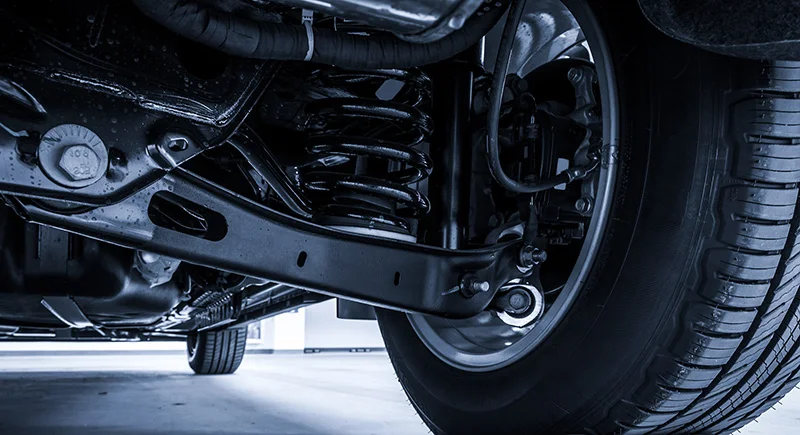
Our auto repair shop specializes in preventative maintenance and full service repairs. Our technicians are skilled in the inspection and diagnostics of all vehicle systems, including the suspension system. Over time, your car’s suspension system will decline, and when it does, it is important to be able to recognize the signs and bring your car to us right away.
Your car’s job is to ensure that you get to your destination. Let our shop ensure that your car is able to get you there safely. Proper routine maintenance checks are one way to help keep your car functioning properly. The suspension system is just one part of your car that we will check during preventative maintenance, as the suspension plays an essential role in your car’s performance. The suspension controls the amount of friction placed on your car from the road, ensuring a smooth ride and steering stability.
How Auto Suspension System Work
Without a suspension system, your car would be unbalanced and unstable. This is because the suspension system is responsible for connecting your car’s body to the wheels. It also supports the entire weight of your car. The suspension system is complex, with many moving parts that help keep your ride smooth. There are six fundamental elements that work together to give you a smooth ride. These elements are your car’s springs, shock absorbers, struts, roll bars, ball joints, and spindles.
Signs of Suspension System Failure
· Drifting or pulling during turns
· Dipping when coming to a stop
· Uneven tire treads
· Swaying
· Bouncing
· Difficulty steering
· Feeling every bump in the road
Reasons Suspension Maintenance and Repair is Necessary
If you are experiencing any signs of suspension failure, it is time for a diagnostic test and suspension examination. Our skilled technicians will determine the root of the problem and recommend the needed repair. Regularly scheduled maintenance can help identify and determine any issues with your car’s suspension system. Keep in mind that if one part of the suspension system fails, the rest are likely to follow. This is why it is important to keep up with regular maintenance in order to avoid further damage and repairs down the road.
Our team of technicians are seasoned auto repair professionals who want your car to function safely and properly. By inspecting and repairing your suspension system, we can help provide you and your passengers with a smooth and comfortable ride! Call us today to schedule an appointment.

Safely steering your vehicle is one of the most essential parts in ensuring the safety of you, your passengers, and the drivers around you. To ensure that you have a good control of your vehicle, it’s a good idea to maintain your power steering pump. Visiting your local auto shop is a great way to make sure that all the parts of your vehicle, including your steering and power steering part, are in good prime condition.
To start, the power steering pump plays a vital role in helping circulate the fluid under pressure which helps enable the hydraulic piston in the steering gear, making it easier for you to turn the steering wheel itself.
In other words, if you have difficulty turning or taking control of the wheel, there might be a problem of your power steering pump.
Symptoms of a Bad or Failing Steering Pump
Before trying to replace your power steering pump, you first have to find out if it needs replacement in the first place. There are several ways to find out if you have a bad or failing power steering pump, but here are some of the main reasons.
· Whining noise while turning steering wheel
· Steering wheel is stiff or slow to respond
· Squealing noise during vehicle start
· Groaning noises
If you notice your vehicle have any of these problems, have an experienced mechanic or vehicle repair experts to take a look to find out if it’s directly coming for the power steering pump.
How Do I Replace the Power Steering Pump?
When you decide that your power steering pump needs to be replaced, make sure you got all the right steps tools and equipment needed to do the job. Remember that every car and model is going to be different, so you might need to do some extra steps and require some extra tools just to access your power steering pump.
Unless you’re an experienced mechanic or automotive repair shop, these tools might be difficult to find. Think about sending it to an auto repair shop. Not only would they have the right equipment available, but they will also save you a large amount of time.
1. Turn Off the Engine and Let it Cool
Turning off the engine and letting it cool will ensure your safety when you start working on any part of your vehicle. Wait about 10 minutes until your engine is fully cooled to avoid potential burns and injury.
2. Locate the Power Steering Pump
After accidentally locating your power steering pump, make sure to remove any engine parts that might get in the way of your workspace.
3. Remove the Power-Steering Belt
The piece of equipment is responsible for driving the power system for the pump itself. In most cars, it is usually found in front of the engine and is turned by a pulley on the crankshaft. You might need to locate some bolts and unscrew them to remove the tension on the belt. Once all the bolts are gone, simply tug on the belt and remove it.
4. Draining the Power-Steering Fluid
Since you’re replacing the whole power steering pump, it’s a good idea to remove the fluid also. To do that, place a pan under the pump and drain the fluid by disconnecting the feed and return lines. To make it less messy, use a funnel so the fluid is controlled.
5. Remove Bolts and Mounting Bracket
By this stage, you should have a clear view of your power steering pump. Locate the bolts that are attached to the pump and carefully remove them. Make sure to keep count of the screws and bolts you detach as you will need them again.
6. Gently Remove the Power Steering Pump
After locating the last of the bots and unscrewing them, make sure you have a firm grasp to remove your steering pump. Simply pick up your worn-down pump and place it to the aside. Make sure to check your engine to see if any bolts or screws happen to drop while detaching it.
7. Installation
Grab your brand-new power steering pump and start your installation. Setting aside your bolts and properly makes this process go smoother and quicker. Once in place, make sure to test the sturdiness of the pump and to make sure there is little to no mobility.
8. Reconnect the Feed and Return Lines
As you did before, reconnect the feed and retune lines to the pump. This ensures that everything will operate smoothly once you start your vehicle.
9. Add Back the Power Steering Belt
Using the screws and bolts you used wrap the power steering belt around the pulley. Make sure to put the belt in place where it is sturdy and tight. To do this, simply pull on the belt once you’re all don’t attach everything.
10. Fill the Pump with Power Steering Fluid
It’s always a good idea to add new power steering fluid to go with your brand-new pump. Ensure that your power steering fluid is the best recommended type for your vehicle. Use a funnel to easily fill up your pump and avoid any spills.
11. Turn on the Engine
Turning on the engine will let the fluid circulate in the pump after waiting a few minutes. During this time make sure that there are not any leaks or problems during your installation.
12. Turn the Wheel
If all done correctly, you should have proper control of your steering wheel. This means that turning right and left is smooth and there are no squealing noises happening. Test drive your car a little bit to ensure good quality.
Conclusion
There you have it! The days of straining your arms from turning the steering wheel are over. Replacing your power steering pump might not be the easiest project to do, but there are alternatives! Our shop specializes in fixing up your vehicle and locating problems as they show up. We have experience in replacing power steering pumps, so you don’t have to worry about getting frustrated. Leave the job to our experienced auto technicians and we’ll make sure your steering is all fixed up.
Senior Citizens on the Road: Car Safety Options

Car accidents are a huge problem for people regardless of their ages. They are a particularly big concern for senior citizens, though. That is because people who are elderly often are not as alert as they were in the past. They may have reaction times that can negatively affect safety behind the wheel. If you are a senior who wants to promote the highest degree of safety while driving, then you should do your best to dodge:
· Distractions of any kind
· Inclement weather
· Excessive darkness
Distractions can make driving safely next to impossible. Inclement weather can make smooth driving a lot less realistic. Driving for lengthy periods in times of darkness can also make many seniors feel a lot sleepier.
Turn Your Cellphone Off
If you want to exercise ample caution as a senior citizen, you should think about switching your cellphone off entirely. If you prefer to not do that, then you can also put it on “silent” mode. The aim is to avoid as many sources of distractions as possible. If you do not want to think about your children texting you or anything else, then you need to keep your mind clear and free.
Just Say No to the Urge to Consume Food
People often find driving rather dull and predictable. That is no excuse to mindlessly eat when you are in the car, however. If you want to have the highest degree of safety, then you need to keep both of your hands on the wheel at all times. That means that it is not exactly the best idea to eat anything in times of driving. If you see fellow drivers chowing down on sandwiches, potato chips, doughnuts or anything else, then you should not join their ranks.
Ban Drinking and Driving
Drinking and driving is something that is a terribly dangerous idea for people of all age classifications. It can be particularly hazardous for seniors who have concerns that relate to alertness, reaction times and anything else similar. Drunk driving can be a recipe for disaster. It can kill you and your passengers. It can kill other individuals who are right next to you on the road as well. If you have consumed any alcohol, then it may be in your best interests to secure a designated driver. You can also call an Uber or a taxi.
Keep Your Eyes on the Road That’s in Front of You
It does not matter if you keep driving by picturesque natural sights. It does not matter if you are taking part in a fascinating conversation with the individual who is sitting next to you. You should go beyond to focus on the streets that are ahead. Refrain from ever looking elsewhere.
Think About Weather Factors
It can be prudent to ponder weather factors any time you even think about getting inside of the car. If you want to revel in the highest degree of car safety, you should say no to driving in times of inclement weather. Driving on top of ice is never ideal. Call our acclaimed auto repair shop to find out more. Call us to schedule any maintenance repair service to keep your car safe on the road.
Connect with us


- August 2024
- July 2024
- June 2024
- May 2024
- April 2024
- March 2024
- February 2024
- January 2024
- December 2023
- November 2023
- October 2023
- September 2023
- August 2023
- July 2023
- June 2023
- May 2023
- April 2023
- March 2023
- February 2023
- January 2023
- December 2022
- November 2022
- October 2022
- September 2022
- August 2022
- July 2022
- June 2022
- May 2022
- April 2022
- March 2022
- February 2022
- January 2022
- December 2021
- November 2021
- October 2021
- September 2021
- August 2021
- July 2021
- June 2021
- May 2021
- April 2021
- March 2021
- February 2021
- January 2021
- December 2020
- November 2020
- October 2020
- September 2020
- August 2020
- July 2020
- June 2020
- May 2020
- April 2020
- March 2020
- February 2020
- January 2020
- December 2019
- November 2019
- October 2019