

Why Your Vehicle May Jerk While Accelerating

Are you feeling your vehicle jerk at all while you accelerate? Out of all the various issues that can happen to your vehicle, if you are feeling it jerk while operating, we highly suggest seeing an auto repair professional as soon as you can. When your vehicle unexpectedly turns one way or another, it means you have less control over it and therefore you have less control over your safety while driving. Furthermore, a jerking wheel is often a sign that there are other issues at play and your vehicle can develop other problems if the issue does not get addressed. It is essential that you see a reliable expert so that they can inspect this type of repair to diagnose the repair need accurately the first time. There are plenty of issues that can cause vehicle jerking, and you cannot afford to waste time allowing the severity to potentially escalate! Below we will discuss the topmost common 6 reasons that influence vehicle jerking.
Damaged Acceleration Cable
There are cables directly responsible for your vehicle’s acceleration by linking the gas pedal to your engine. When these cables become damaged or aged, it becomes difficult for the vehicle to push as much as it can.
Dirty Fuel Injectors
Dirty fuel injectors are the most common cause for your vehicle to jerk when accelerating. This is because your fuel injectors are how the gas in your vehicle gets into your car’s engine and when there is dirt or a clog it will cause your engine to misfire. Due to this misfire, your vehicle will jerk as you accelerate.
Worn Out Spark Plugs
Your spark plugs ignite the fuel in the piston to power your vehicle. When your spark plugs become clogged, the spark plugs ignite the fuel in the piston fast enough and will cause the engine to misfire.
Damaged Gas Lines
Gas can pass through your vehicle through gas lines. Therefore, if this is damaged it will cause uneven acceleration and, in some cases, have a hole that will lead to your engine catching on fire.
Defective Carburetors
A carburetor is responsible for allowing air and fuel and its mixture to the engine. Therefore, when the carburetor is damaged it will cause uneven acceleration and lead your vehicle to not function properly.
Blocked Catalytic Converters
Your catalytic converter is responsible for regulating the emissions coming out of your car. When the emissions are unregulated due to a damaged converter, it can clog and cause a misfire when you accelerate the gas pedal.
So, if you are noticing this jerking occurring in your vehicle or any other repair where you lack full control over your safety, then do not delay visiting your local auto repair shop. It can be any number of these issues, so if you notice an indicator, make sure you see a professional! Call our team today to schedule an appointment! We are here to help guarantee safety and minimize time off the road through streamlined service.
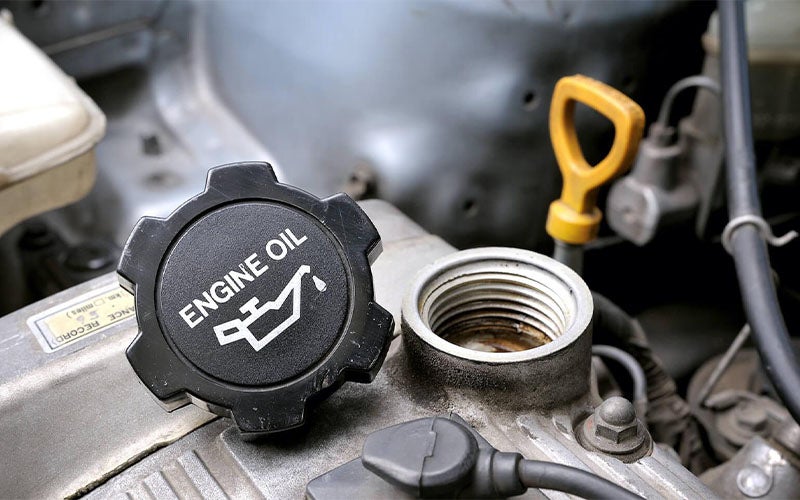
Oil lubricates your vehicle’s engine and is instrumental in ensuring a safe drive where the moving parts of your vehicle are not compromised. Oil leaks should be examined by a professional auto repair specialist. If your car is leaking oil, then it can be a big concern. It can indicate a problem with your engine. Leaks are also unhealthy for the environment. Learning potential causes and how to avoid oil leaks is helpful on many fronts and important to know as a vehicle owner or operator.
What Causes Oil Leaks?
There are a few main causes behind an oil leak. Some of the main culprits include:
· Worn out oil filter
· Worn out oil drain plug
· Broken filler cap
· Valve gasket damage
Worn Out Oil Filters
An oil filter helps strain any debris inside of the oil from making contact with the rest of the engine. As time goes on, the filter becomes worn out. When it does so, it can create gaps that can cause oil to slip past it and through the rest of the vehicle.
Filters are relatively easy to change, but if you are not sure of what you are doing, then you should always have an auto technician replace the oil filter for you.
Worn Out Oil Drain Plug
At the bottom of your oil pan is a drain. This drain is accessed when you are receiving an oil change. The plug can sometimes break when it is handled too often on older models. It can also be damaged as a result of driving over road debris or hitting an animal.
An auto repair shop can replace the plug and fix up any other damage to the pan. This can stop the engine leak and make your vehicle safe to operate again.
Broken Filler Cap
It is not just below the oil pan that can cause an engine leak either. It is possible for the oil to come up, too. If the filler cap is broken or not aligned correctly, then oil can come bubbling out of it. This can create a huge mess.
Replacing the cap is relatively easy unless the entire container needs to be replaced.
Valve Gasket Damage
Perhaps the most common reason for leaks is the valve gasket. Older vehicles are especially at risk of a leak due to their valve gasket. Everyday use and road debris can sometimes damage the gasket. Our experienced auto repair team can replace it and stop the leak.
How You Can Stop Oil Leaks
Proper maintenance is the best way to stop oil leaks before they happen. Keeping your engine clean and cared for can keep it running efficiently. As a result, less wear is done on the parts.
One crucial maintenance service to undergo is an oil change. Replacing the oil in your vehicle can keep the filter healthy as well as the rest of the vehicle.
For smaller leakers, you can sometimes use a leak additive that can help stop the leak.
How to Tell If There’s a Leak
You may be informed you have a leak when the oil symbol shows up on your dash. You should also regularly check your oil to determine its quantity. Finally, regularly check under the vehicle for any signs of drips or leaks.
Bring Your Vehicle to the Shop Today
Oil leaks are no small matter. It can completely destroy your vehicle if they are not taken care of quickly. Bring your vehicle to our shop today for high-quality service and care.
How Long Commutes Can Inflict Vehicle Damage

Every year families and friends pack up a vehicle and set off into the sunrise for vacations and trips. The music is playing and the conversation is flowing until…whoops, the vehicle crawls to a stop on the side of the highway. Typically, chances are, no one in the vehicle is a mechanic. Vehicle preparation is a key component of commute preparation that is overseen.
Most vehicle owners understand that routine maintenance is needed to keep a vehicle functioning properly. What they do not realize is that being within driving distance of everything is the cause of most repair needs. For instance, in a long-distance drive, the alternator has a chance to recharge the battery. On quick trips, the battery does not have that chance. This can minimize the life of the battery.
Not to mention, the oil also needs a chance to burn off combustion byproducts and moisture. Also essential is making sure the engine reaches a prime temperature also ensures that the running parts are properly lubricated. Short trips deny the engine a chance to do these things and reduce the performance of the vehicle. With that in mind, it is imperative that the vehicle has an inspection before taking a long journey.
Preventative Check-up
Ensuring the road trip is fun for everyone means a lot more than the driver getting a good night’s rest beforehand. It also means taking the vehicle for a little routine vehicle maintenance to prevent unwanted breakdowns. Long-distance trips can expose the underlying issues that have been ignored on short trips. To minimize potential problems, have a professional mechanic perform a vehicle inspection to identify and repair needs calling for immediate attention or brewing. A preventative checklist includes the following:
Checking Oil and Fluids
The amount of oil and fluids in the vehicle impacts how well the engine keeps cool, reducing wear and tear by keeping moving parts lubricated and assists in the overall function of the engine.
Visual Inspection and Tire Rotation/Replacement
Fortunately, visually checking the tires is one item most owners perform on a regular basis. However, the rotation and/or replacement of the tires is what falls by the wayside.
Check Lights
The last thing you want to discover on a dark winding road is that your headlights are about to go out. This compromises road safety and can cause a trip delay. If ignored, your safety is compromised as well as risking a citation. Therefore, be sure that all the lights on the vehicle are operational is important.
Auto Repair Needs
While the preventive list is not exhaustive or undoable, it can keep down the chance of needing emergency services. Depending on the overall condition of the vehicle, there may be a few other boxes that should be checked. Before loading up the vehicle, your mechanic may need to perform some overdue repairs.
Check Engine Lights
One of the most overlooked alerts on a vehicle is the check engine lights. The light comes on while driving and can indicate something simple or complex. Consequently, what could have been an easy maintenance fix can, after ignored, present the need for serious vehicle work.
Tires
Tires are an essential part of the vehicle. After all, that vehicle is not moving without a set of tires on it and, if compromised, can influence the ease of the vehicles operation. Checking the depth of the tread and air pressure could mean the difference between a smooth ride and a night pulled over on the highway. For extra preparation, having a spare in the trunk is a terrific idea as well, especially if long commutes are regular or you are embarking on a trip.
Windshield Wipers
Another component that is often overlooked is the windshield wipers. Finding out that they are not completely operational is not something you want to discover in the rain. Compromised conditioned windshield wipers require replacement before hitting the road.
Conclusion
Undergoing preventative measures makes a road trip doable and uncompromised as well as does not put your vehicle at risk and progressively undergoing damage. In most cases, all the stop-and-go trips around town are the cause of auto repair needs that were ignored. With everything that the vehicle goes through on a regular basis and burns through, staying ahead of a vehicle’s needs is especially essential if you commute frequently or are embarking on more travel than usual this summer. Routine vehicle maintenance will drastically reduce the chances of needing an emergency auto repair on the road during commutes or summer travel.
How to Keep Your Engine Running Smoothly

Purchasing a car is a big investment, so you want to keep it looking good and running well for as long as you can. Keeping a vehicle performing optimally requires maintenance and work. Your vehicle is a machine of moving parts that work together. The heart of a vehicle is its engine and it is helpful to understand its operations to ensure it gets the most of its lifespan and is not compromised unnecessarily.
Keep the Engine Cool
Whenever you are driving, it is important to check and stay aware of the temperature gauge. Making sure the gauge does not make its way up to the high indicator can keep your engine from overheating or keep you informed of when to see an auto repair professional.
When the temperature remains at its normal level, it means the cooling system is working as it should and is cooling down the engine when it gets hot. Make sure an engine repair specialist checks the cooling system every six months or whichever period your factory manual recommends per your vehicle to ensure it continues to work well.
Inspect for Leaks
Often, the summer heat can add more stress to the engine and cause it to start leaking. Check for leaks by opening the hood and checking for burned smells. If you see your vehicle is leaking, it important to have your vehicle inspected and repaired by an auto repair technician to avoid repair needs escalating.
Check the Battery
As a basic preventative measure and to avoid needing future advanced auto repair, check the battery water. Keep the battery fully charged and check the terminals and the water every couple of months.
If you take your car into an auto repair shop for regular maintenance, be sure to have the mechanic check your battery cables and water. A battery that has dirty and corroded cables will at some point keep you from starting the engine and could leave in an unwanted breakdown situation.
Oil Change
Your car needs to have the oil and filters changed every 3,000 to 10,000 miles. The mileage differs depending on how old your car is, and the type of oil it uses. Find the required oil change frequency in your vehicle’s manual. When you get the oil changed, the technicians will also give you a reminder sticker telling you when your next oil change should be. Staying ahead of these repair needs and avoiding pushing off service will preserve your engine and prevent damage.
Inspect the Emissions
When you take your car into a repair shop for engine repair, be sure the technicians check the emission system. This will help you use the gas efficiently and reduce noise, as well as protect the environment from harmful CO2 emissions. You need to get the emissions system checked every year to make sure it runs well. Keep in mind that excessive use of a vehicle for travel or commutes calls for more frequent repair maintenance.
Check All Wires
When you drive on rough road and terrains, the wires can become loose or damaged. These loose wires can cause breakdowns. Be sure to have your engine repair specialist check your wiring, hoses, and other parts. An efficient auto repair shop should be able to provide a thorough inspection that identifies all immediate needs for repair as well as things to be aware of.
Conclusion
Be sure to take your car in for servicing at its regular intervals. These service maintenance inspections review all engine-related items and replace parts that might cause problems later on.
5 Preventative Maintenance Tips for Summer
Are you thinking of summer vacations? Taking a long drive down to the beach? Alternatively, maybe, you just want to get in the car, turn on the AC and go for a spin. Whatever your plans, you need to remember to care for your car during these coming months when the weather can see extremely high temperatures. Auto repair is probably not the first thing you want to think of in the summer, but your car can break down more easily and, at the very least, it can be agreed that finding yourself stuck on some highway with a tire blow out, or having to finish a long trip without a functional car AC system is not the preferred way to spend a summer day.
In the summer, the sweltering temperatures can make daily driving harder on your vehicle. You need to pay attention to certain things to make your car summer-ready, so a little preventative maintenance can go a long way towards making your car fully functional during these months. From checking your air conditioner to making sure it cools properly, making sure your engine runs smoothly, efficiently, and cool, it is helpful and preventative to prioritize summer auto maintenance.
Cool the Engine
High summer temperatures can heat your car’s engine even more. In fact, an overheated engine is one of the main causes of summer car repair issues.
Your car uses coolant, which is a special liquid used to cool down your engine. Top off your coolant levels and keep an eye on it regularly during the summer. Check and top off your coolant levels every few weeks, but if you know you have a leak or other problem, check it much more frequently. If you see a leak in a hose or under the car and it appears to be the color of your coolant, it is time to take your car into the mechanic to have it professionally examined.
Get the A/C Checked
The last thing you want to stop working is the A/C unit. Summer can be extremely hot depending on where you travel, and will feel even more so without the AC working well. Get it inspected by an AC specialist. A working A/C prioritizes comfort, which is important for drive safety.
Replace Wipers
Summer can mean big summer rainstorms. Switch out your wiper blades for new ones so you will not be caught without being able to see during a storm. While you are at it, get your wash fluid filled too so it will clean your windshield of all the summer debris.
Get Your Oil Changed
In the hot summer months, you may want to change your oil more frequently. If you plan on taking long road trips, you need to get your car inspected by an auto repair specialist and you need ensure your oil is not in need of a refill or change to no compromise our vehicle’s drivability or engine, specifically.
Before you head out on a great road trip, take your car to a mechanic and ask for a preventative maintenance inspection. The mechanics will inspect the engine thoroughly to make sure it is road-ready.
Check the Air in the Tires
When temperatures start to rise into the 90s, the pavement and asphalt get hotter, and this inflates your tires. Tires are at a higher risk of experiencing blowouts during these months. Check the tire pressure levels and use your vehicle’s manual to see what pressure you should keep your tires at. Be sure to check the pressure at least once a month during the hotter months of summer.
You also want to make sure you keep track of the tire rotations during the summer and be sure to visually inspect your tires and the tread life. If you notice that your tires are visibly appearing old and worn, it may be time to replace them.
Bottom Line
Summer weather can be harder on your car. Keep out of the hear as much as possible to prevent weather damage and practice basic preventative care to ensure your vehicle runs smoothly during these months your travel or experience hotter weather.
Parts of Spark Plug Broken Down
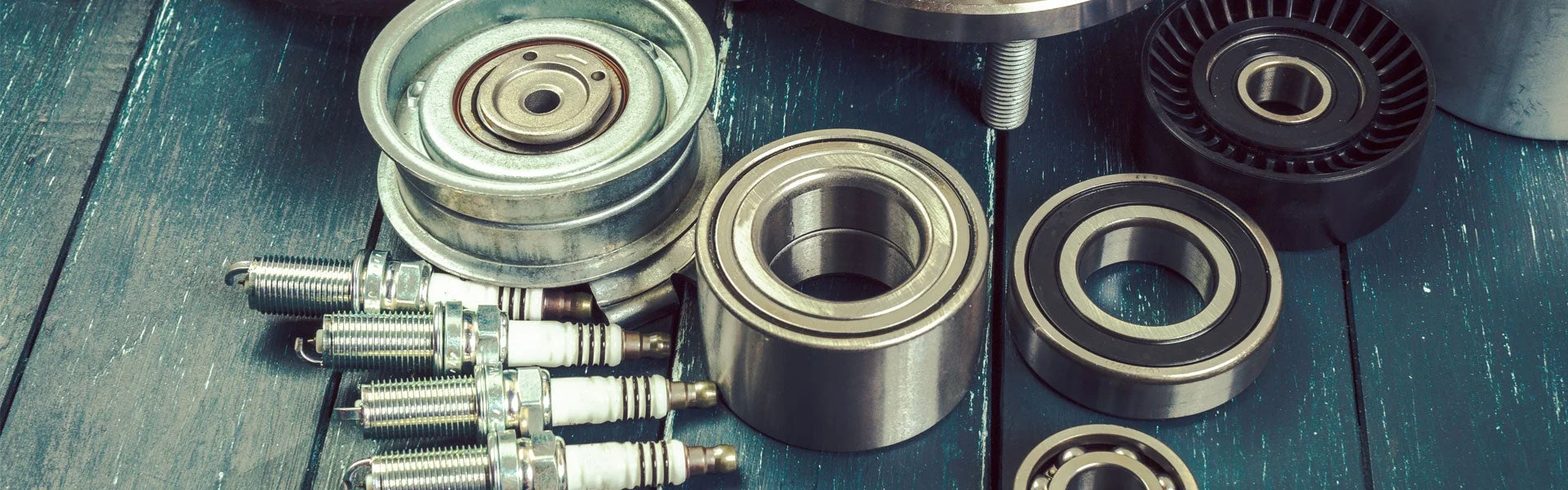
Did you know that without a properly functioning spark plug, your car would not even start? That is how important this tiny device is to your vehicle if you are using a gas-fueled combustion engine.
How spark plugs work
The spark plug emits electricity across the engine to cause an ignition spark on the other side. This spark will then fire the mixture of air and fuel inside the engine to create the internal combustion for the car to start.
Different types of spark plugs
There are five main types of spark plugs:
• Silver
• Double platinum
• Copper
• Single platinum
• Iridium
Silver spark plugs
For these spark plugs, the tips of their electrodes are silver coated. You will mostly find them in old European vehicles and motorcycles since they do not last long.
Double platinum
These spark plugs are more durable than silver spark plugs. Both its ground and center electrodes have a platinum coating. For the spark plugs with broken and wasted ignition systems, you can replace them with this type.
The copper spark plugs
This type requires more voltage for its large diameter. Its center electrode has both copper and nickel alloy coating, and since the nickel alloy is not durable, you will have to replace it frequently.
Single platinum
The only difference between this type and copper spark plugs is that their center electrodes are platinum-coated; otherwise, they are similar. In addition, since they generate more heat, these spark plugs discourage carbon build-up, making them suitable for new cars, especially those with a coil-on-plug in their ignition systems.
Iridium
Their center electrodes are small, so they use very little voltage for ignition. The iridium spark plugs are also long lasting compared to all the above types.
Parts of a spark plug
It has three main parts. These are the electrodes (center, ground, or side), housing, and the insulator. Keep reading to know the functions of these main parts and other parts below.
Center Electrodes
The tips are coated either with nickel, copper, silver, or any other metal available for the center electrodes. This coating will carry the high voltage spark from one end to the other.
Ground/side electrode
This is where the internal combustion occurs to start your car
Housing-This is an outer cover that surrounds and supports the insulator and installs the plug to the car’s engine.
Insulator
This part is responsible for insulating the center electrode, terminal, center shaft from the housing. It also ensures that the high voltage spark does not escape before reaching the electrode tip.
Terminal
It is connected to the ignition system and is responsible for conducting the high voltage
Ring and parking washer- Tightens the insulator to the housing.
Center shaft
This connects the center electrode to the terminal.
Gasket
This tightens the housing and engine.
How often should you replace it?
Spark plugs can serve your car for years and cover several miles before they wear out and needs replacements. How often you should replace it also depends on the type your car uses. For instance, iridium lasts longer than any other type.
Benefits of replacing spark plugs
There are several benefits, including smooth starts and fuel economy, but the most important one is that your car will start. If you must replace it, kindly take it to an auto repair shop.
5 Tips to Ensure a Smooth Drive

Driving is a complex endeavor, partially due to the inability to detect any unpredictable obstacles in a road environment. As a driver, controlling the aspects of your role in these situations is your responsibility. A ride can be so smooth, bumpy, or even shaky depending on various factors. The reasons wholly depend on the shape of your vehicle or environmental factors.
Some issues can get out of control when driving. Below are some effective tips to curb that bumpy or shaky drive and assist in ensuring your driving experience is safe and hassle-free.
Environmental factors
Environmental contributors are out of your control, so it is important your vehicle is prepared to handle the factors that may come your way and your driving remains defensive. Weather related contributors to difficult drives can include snow, mist, and fog due to the visibility issues these contributors compromise. With mist and fog, the likelihood you will miss avoiding a pothole or roadblock increases. Snow, on the other hand, will make it almost impossible for your vehicle to move swiftly and requires decreased speed.
Vehicle factors
Mostly, these are issues to do with your vehicle needing professional repair. The moment you realize a change in your vehicle’s drivability, have it checked. Some of the things to check out to ensure a smooth drive is not compromised include:
• Oil replacement
• Checking the engine
• The alternators
• Tire alignment
• Braking mechanism
Oil replacement
Oil replacement is necessary for the functioning of the engine. Without good oil, the engine is likely to fail. Oil regulates the engine’s temperature to prevent overheating. Moreover, oil impedes any vehicle carbon deposits forming on the engine—failure to change results in the formation of some sludge-like substance. The sludge later builds up in your engine, wrecking it. A damaged engine means difficulties hitting the road; the result, an uncomfortable, unsafe, bumpy ride.
Checking the engine
Just like anything that is subjected to friction, the vehicle engine will wear out if not properly maintained and cared for. A good engine is essential for that smooth ride. If you are experiencing misfiring, see a professional automotive shop for help.
The Alternators
An alternator is a vital component of your vehicle. A bad alternator kills your battery, and no driver wants to experience an unwanted breakdown. Always watch the condition of your alternator. If you notice some squealing sounds from the engine, visit an auto repair shop to examine the drivability issue. A proper vehicle inspection can anticipate dangers to an unsmooth ride.
Braking Mechanism
An effective and rapid braking system is very crucial for a smooth, hassle-free ride. A sturdy braking system prevents the vehicle as well as the owner from any unfortunate situations like unwanted breakdowns or collisions. Scheduled maintenance can ensure fluid checks take place and your braking system is equipped to function properly.
Tire alignment
Tire alignment is crucial in having a trouble-free drive. Good alignment allows you to manage the vehicle in use easily and conveniently. Therefore, focus on getting a tire alignment for a smooth drive periodically. Reference your factory manual for recommended service intervals.
Repair Services
A vehicle’s system is complex and requires auto repair services to keep everything in check. A professional technician uses diagnostic tools to examine any electrical problems with your vehicle.
Do you need your oil change, check engine lights fixed, tire alignment, brake repair, battery repair, drivability, or alternator servicing? Contact us for a
What Causes Tire Repair Damage
According to the National Transportation Safety Board report, around 33,000 accidents occur due to tire repair damage. Based off this stat, it is clear that proper maintenance of tires is essential for not only your vehicle’s safety but the safety of those on the road as well. There are various factors that can affect your tires and their performance, but the primary causes for this type of repair need is sidewall and alignment damage. In this article, we will focus on sidewall especially as it is the most prominent cause for repair as well as ways maintain and assess the status of your vehicle’s tires.
Overload
When there is too much weight in your vehicle, it is susceptible to an overload blowout. When a vehicle is overloaded, the tires can overheat and explode. Although this problem is more common with larger vehicles like an SUV or truck, overload to the point of causing damaging can still occur if your vehicle is carrying a lot of weight for its weight and is exposed to high temperatures. Inflated weather conditions and stress can result in a tire blowout.
Tire wear
Uneven tire wear is a clear indicator that your vehicle needs tire repair. Self-identifying this can be challenging however; it may be difficult to spot low tread patterns on your tires if you are not well versed on examining tires. A professional auto repair shop can assist and it is our recommendation to undergo vehicle inspection semi-frequently. Without proper inspections and care for your tires tread cord, this exposure will occur and lead to a hole, which will lead to tire failure.
Age
According to most tire companies, tires usually last anywhere from 6-10 years. However, the tires on your vehicle take on damage as soon as they are exposed to oxygen and heat. The deterioration due to the age of your tires is bound to happen, and even if you have great tread still on your vehicle, they can still fail because of the natural wear and tear it has been exposed to.
Under Inflation
When a vehicle is neglected or becomes damaged, the inflation on the tires becomes unsafe. This is because when there is not enough pressure in the tire so it cannot hold the load of the vehicle and is susceptible to failure. The chance for failure increases when the temperature is warmer and the vehicle is driving fast.
This cause for tire repair is so critical that as of 2007 all vehicles became required to include a tire pressure monitoring system to notify drivers of when their tires reach unsafe tire pressure.
Steps to Take in Accident
In the unfortunate situation where you experience tire failure while driving, you to need to know what to do. After a tire sidewall blowout driver should not hit the brakes once feeling the tire failure. This will remove all control you have over the vehicle and can put you in a worse situation. Rather, we recommend that you maintain your current speed and stabilize the vehicle by counter steering into the failed tire. When you can stabilize your vehicle by counter steering, then we suggest slowing down, staying safe, and once out of the situation, prepare to take your vehicle into a trusted auto repair shop.
Call us today if you need assistance and want reliable professional care from tire repair experts! We will have you back on the road in no time.
Many people can go the entirety of their ownership over their vehicle without ever changing the transmission fluid. Although some vehicles market a lifetime fluid on the transmission fluid and will advise against changing it so that the vehicle does not begin to slip while changing gears, experts would still highly recommend otherwise.
When to Replace
Changing your transmission fluid is advisable every 50,000 miles on average to maintain the vehicle in the best running conditions possible. Automatic vehicles use a torque converter to shift gears, and the torque converter and the transmission are not physically connected so the fluid is what allows the movement to continue between them. The fluid allows the mechanical spinning of the engine to be transferred to the transmission using fluid pressure and fluid friction. You need clean fluid to assure that there is no unwanted build-up or friction in this process.
Maintenance
Maintaining the transmission fluid clean is the most important aspect of this process, if you go 150,000 miles without changing the transmission fluid when your vehicle has become accustomed to running on that texture of fluid if you were to change the transmission fluid at that point it could potentially cause the vehicle to slip. If the transmission fluid is black then the converter has been functioning on dirty transmission fluid, which tends to have more friction. If you were to change the fluid at this point, you would be taking dirty fluid and adding clean fluid, which would likely cause the converter to begin to slip. At this point changing the transmission fluid could potentially be more problematic than helpful. The trick is to always have it well maintained. In this case, it might even be better to leave the transmission fluid alone if the transmission is still working.
Preventative maintenance is key here, a lot of the time if you wait too long and the transmission fluid is too dirty on a high mileage vehicle then changing the transmission fluid might cause the transmission to have more problems and in some cases might cause the transmission to stop working properly altogether.
Important points to remember:
· Change the transmission fluid regularly on average every 50,000 miles or so
· On high mileage vehicles with dirty transmission fluid do not change for clean fluid
· Preventative maintenance is key
· Changing dirty fluid for clean fluid can cause the converter to begin slipping
· Dirty fluid has more friction and transmission running on dirty fluid will slip if transferred to clean fluid
· Even if there is a lifetime fluid guarantee expert recommend still maintaining your transmission fluid clean with maintenance
Just to recap why transmission fluid is essential and how it affects your vehicle. In an automatic vehicle, the transmission uses the torque convertor to shift gears and although the torque converter is bolted to the flywheel on the engine the connection between the torque converter and the transmission is using fluid dynamics to make it go, it is not physically connected as it is in a manual vehicle. Always stay on top of your preventative maintenance and avoid costly repairs for yourself in the future!
Top 6 Auto Electrical Problems
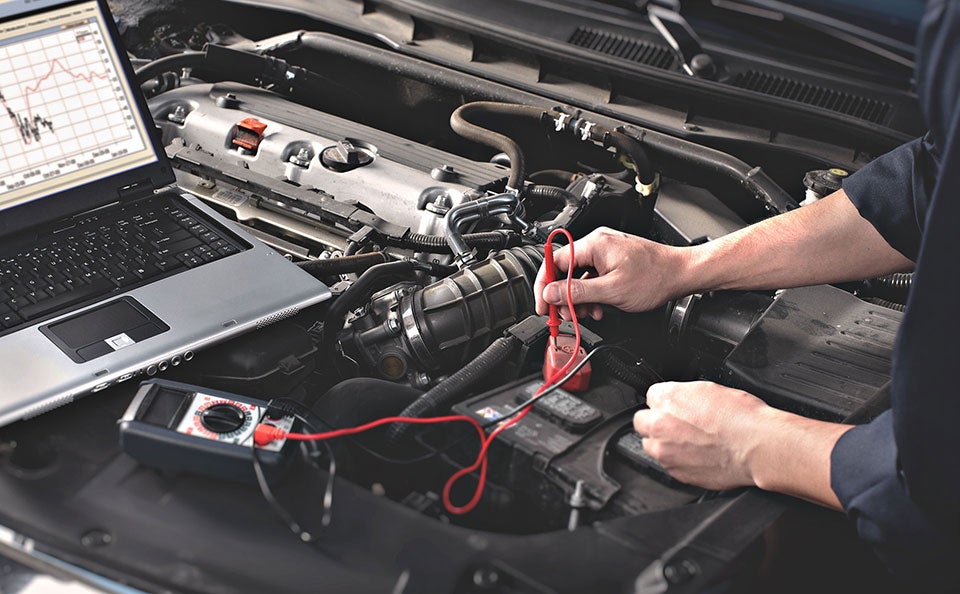
Are you noticing any auto electrical problems recently? Is your vehicle’s electrical system running smoothly? No matter what vehicle you drive, you are likely to encounter at least one electrical problem during the automobile’s lifetime. Therefore, proper inspection of your electrical system is critical if you want your vehicle to run efficiently or even at all. Every system consists of various components including wires, fuses, relays, and other major electrical parts. If any of these parts forms a problem, you immediately risk both the safety and functionality of your vehicle. Whether it be powering the windows, mirrors, or even starting your vehicle, there is certainly a variety of issues that can occur which will indicate where the issue might be in your vehicle. To help you get an idea of what the necessary repair might be our team identified the top 6 electrical issues that we most commonly see in our automotive repair shop! Although we recommend seeing a professional for any repair, we wanted to give this information so that you might be able to identify these signs and save you time and money for when you bring your vehicle to your local auto repair shop!
1. Dead Battery
A dead battery is the most obvious sign that there is a problem with your vehicle’s electrical system. Most batteries last around 5 years but can have shorter lifespans depending on how often you care for them. Check around for corroded cables as being the source of the issue and try to get a jump-start from a friend that will allow you to bring your vehicle to a trusted auto repair shop.
2. Failed/Loose Spark Plugs
A loose spark plug is the easiest electrical issue to sort out unless your vehicle has multiple spark plugs that have issues that will require a visit to an auto repair professional. The biggest indicator that you are having problems with your fuse plugs is when your vehicle is experiencing rough idling or lurching.
3. Bad Battery Cables
All vehicles are susceptible to worn out battery cables. Worn out battery cables are common for your vehicle and should be inspected routinely. The more corrosion that builds or the more you further damage your cables will result in more costly repairs down the road.
4. Insulation Damage
If you smell a burning plastic smell while driving, it is a sign you have a short circuit and have a problem with your electrical system. If you notice this smell stop driving immediately and get your vehicle towed. Driving with damage to your insulation will surely result in further damage to your vehicle.
5. Bad Alternator
This is one of the most common issues with your electrical system and is made apparent through a vehicle’s dimmed lights or headlights. If you notice this, get your alternator inspected because it means that it is not transferring enough power from your battery.
6. Faulty Starter
If you are having trouble starting your vehicle, it could be a bad battery, alternator, or an issue with your starter. If it is accompanied by a grinding sound, it is most likely an issue with the starter.
We hope this article outlining the 6 causes of a vehicle’s electrical problem was helpful and allows you to save time and money. If you are noticing any of these symptoms or a problem, we suggest seeing an auto repair expert get to the root of the problem with a reliable diagnosis of the issue and a clear solution to get you back on the road quickly!
Connect with us


- August 2024
- July 2024
- June 2024
- May 2024
- April 2024
- March 2024
- February 2024
- January 2024
- December 2023
- November 2023
- October 2023
- September 2023
- August 2023
- July 2023
- June 2023
- May 2023
- April 2023
- March 2023
- February 2023
- January 2023
- December 2022
- November 2022
- October 2022
- September 2022
- August 2022
- July 2022
- June 2022
- May 2022
- April 2022
- March 2022
- February 2022
- January 2022
- December 2021
- November 2021
- October 2021
- September 2021
- August 2021
- July 2021
- June 2021
- May 2021
- April 2021
- March 2021
- February 2021
- January 2021
- December 2020
- November 2020
- October 2020
- September 2020
- August 2020
- July 2020
- June 2020
- May 2020
- April 2020
- March 2020
- February 2020
- January 2020
- December 2019
- November 2019
- October 2019