

Don’t Neglect Your Routine Oil Change
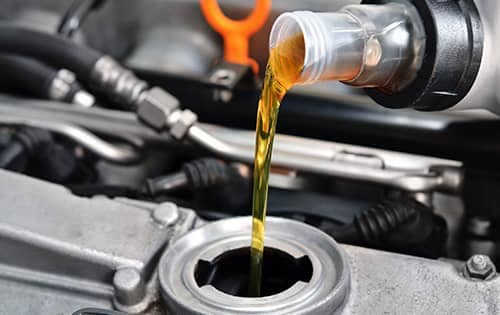
The standard time frame to get an oil change is between 3,000 – 5,000 miles. We all know that oil changes are a necessity, but the average automobile owner doesn’t understand why it’s important. A majority of people, however, know that the engine is the most significant component of a vehicle. Without oil, the engine would not be able to run. Furthermore, oil controls the engine’s temperature so that it does not get too hot. Oil also prevents the clumping of carbon deposits forming in the engine.
Regular Oil Changes
How often you should change your oil and the kind of oil you need are questions that are constantly debated in the automotive industry. However, the more necessary topic to discuss is how many miles are you putting on your vehicle during the given time frame. Attempting to dictate when you should get an oil change based off a time period can be inefficient due to all of the factors that come into play. Things such as make/model of your vehicle, type of oil utilized, and how you drive your car all matter. We suggest that your look over your car’s owner manual to get a better idea of how frequently you should get your oil changed. In essence. The number of miles that you drive is more important than the amount of time driven. Keep track of your mileage by checking your odometer every so often. The amount of weight your vehicle carries and severe weather conditions can also play a part due to how hard they make your engine work.
Avoiding Oil Changes
Forgetting to service your car with an oil change can cause some serious issues for your down the road. The older your oil gets, it begins to form like sludge. This sludge builds up in your engine over time which can damage your engine if not dealt with. Engines are expensive to clean so it makes much more sense to just service your vehicle on a routine basis for oil changes.
In Need of an Oil Change?
We know that there are a plethora of options when choosing where to get your oil changed. That’s why we’re writing to let you know that your vehicle is in good hands here at our shop. Our trained mechanics have collectively performed thousands of oil changes and will efficiently get your vehicle in and out the shop so you can get back to your busy life. We’ll get the job done right, the first time! Come in today or give us a call to schedule an appointment.
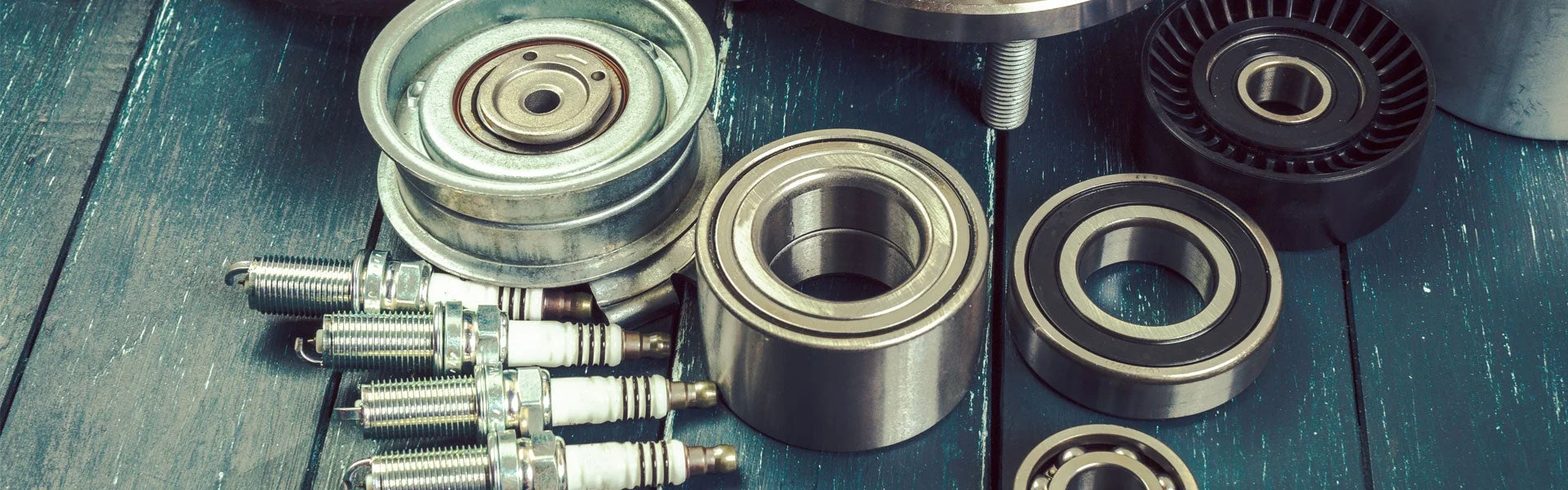
Spark plugs play an instrumental part in powering up your vehicle. It is essential for the safety of the driver as well as the life of your vehicle that they are in good condition. Disastrous misfires can occur if a vehicle is started when they need replacing. As a result, very costly repairs can follow because driving with misfiring spark plugs can put excessive, inordinate stress on a vehicle’s catalytic converter, which is an engine’s exhaust cleaner.
How do spark plugs operate?
A spark plug by definition is a device that transports electric current from the ignition system of a vehicle to the combustion chamber of a spark-ignition engine. That transportation ignites the mixture of the compressed fuel and air by an electric spark, while containing combustion pressure within the engine. They only remove heat and cannot create it. They operate as a heat exchanger pulling unwanted thermal energy from the combustion chamber to the engine cooling system. It dissipates heat from the tip.
Warning Signs Your Spark Plugs Need to be Changed
Drivers commonly assume that when their car is not starting or struggling to start, that the issue can be credited to an issue with the battery; however, an overlooked cause for a difficult start-up can be old or faulty spark plugs. If your vehicle will not start at all, it is likely the battery, but if there is difficulty or delaying / a need for repeated attempts to start the vehicle it is likely it may be an issue with the spark plugs.
The check engine light should normally be a clear indicator there is need for replacing. The check engine light could signify a number of possible repairs, but faulty spark plugs can very well be one of the possibilities. If your vehicle has trouble starting and your check engine light is on, the possibilities narrow and professional examination by a certified mechanic should take place.
Other warning signs include:
- Delayed acceleration. If your vehicle takes a while to increase speed, exhausted spark plugs may be to blame.
- An audible change in your engine including if your engine is rattling or there is a knocking noise.
- Decreased fuel efficiency. Misfiring spark plugs decrease a vehicle’s fuel efficiency as substantial as 30%, so if a driver notices they are having to refuel their vehicle more frequently than usual, it could very well be an issue with the spark plugs.
The effect of driving with damaged spark plugs can be costly or result in irreparable engine damage, so as a driver or owner of a vehicle it is important to be weary of these warning signs and see a certified mechanic for examination as soon as indicated to increase the longevity of your vehicle, create a safe, easy driving experience, and to be financially intelligent as delaying a trip to a mechanic allows for increased damage and costs.
Transmission Repair Costs and Best Ways to Save
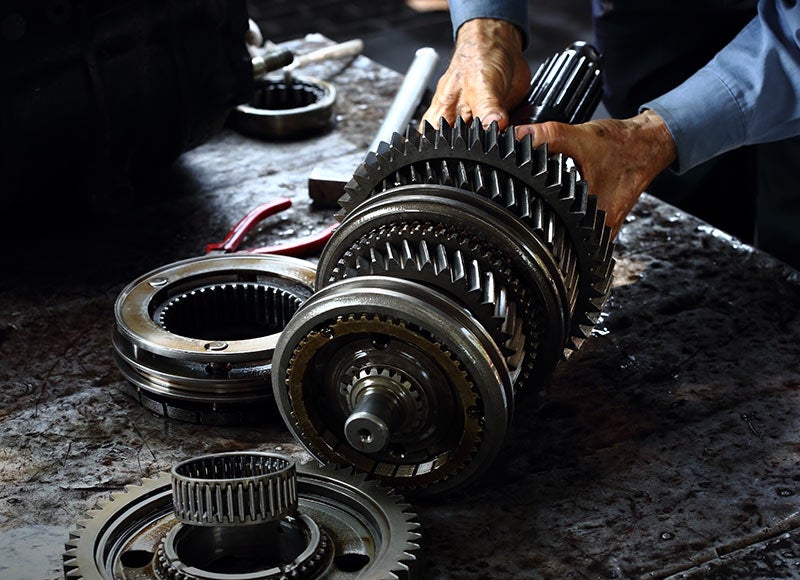
The transmission is the part of a car the takes the energy produced from the engine and gives it to what is driver controlled like drive shaft and wheels. An inoperable or highly damaged transmission disallows a vehicle to run. Maintenance is key to minimizing the need for transmission repair and avoiding replacement. There are many factors that go into how frequently a transmission should be damaged and how it should be cared for. It is important to see a certified technician upon sensing an issue, but it is also important as a driver to understand what influences the frequency of maintenance.
The four types of automotive transmissions include:
- Automatic Transmission otherwise referred to as AT
- Manual Transmission otherwise referred to as MT
- Automated Manual Transmission otherwise referred to as AM
- Continuously Variable Transmission otherwise referred to as CVT
Understand how an AT or Automatic Transmission functions
An AT or Automatic Transmission shifts gears automatically which, shifting gears is necessary, to minimize engine stress. Shifting gears allows your vehicle to run at appropriate speeds in accordance with the type of terrain needed to be overcome such as driving up hill or adjusting from driving in a residential area to a highway. Shifting gears puts your engine in the best position to run appropriately.
When and How the Fluid in Your Transmission Should be Changed
The reddish or pink dyed fluid is usually what transmission fluid looks like. You should always reference your car manual when determining how to change your fluid. Some vehicles require to be running whereas others are instructed to be off. It is safest to have a certified mechanic examine your transmission to avoid propelling any damage through otherwise avoidable user errors. It is also essential to understand that your individual driver choices may accelerate the need for professional maintenance. If you change acceleration often or are pulling heavy loads, your car is forced to work harder and use more power so it will need to be maintained more frequently.
When Transmission Repair is Preferred to Replacement
Maintaining small transmission issues is the best way to preserve your dollar and the life of your transmission. If put off, they may escalate and cause new issues. A transmission with several issues can cause further damage to other components of your car and make in undriveable. It may also be risky to invest in repairing a large amount of damages because if it does not work out not only will you have lost money but will have to opt for replacement which will be a further investment. Because replacement is costly and the transmission is one of the most essential components in a vehicle, maintenance by a professional auto technician is the key in preserving your vehicle.
Proper Maintenance For Your Car Battery
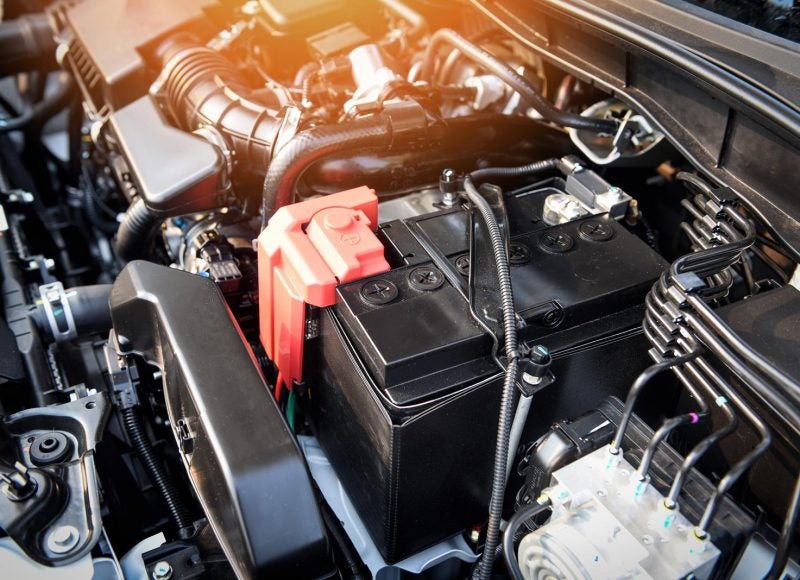
Your car battery is an essential part of your vehicle that allows it to perform many of the necessities we use in our every day lives. Car batteries produce energy towards charging cellphones, listening to the radio, using the lights in your vehicle, and many other features that wouldn’t be possible without the battery. It is a facet of the vehicle that the average human tends to neglect, which is why we’ve listed everything you need to know about the car battery and how to maintain it.
Car Battery Longevity
There are many variables that can have an effect on the lifespan of your car battery. Regardless, a majority of car batteries will last you 2-5 years. The biggest factor that comes into play by affecting your car battery is weather. Rising temperatures under your vehicle’s hood occurs naturally, causing your battery to drain more drastically. Continually driving your vehicle in these harsh weather conditions are assured to make things worse.
Although the type weather that is occurring is out of your jurisdiction, you can still make an impact to assist your car battery in lasting longer by doing the following:
- Secure your battery
- Regularly test your battery
- Monitor light usage
- Limit short rides
- Don’t use car electronics when engine isn’t running
Formation of Battery Sulfation
Sulfation is described as a buildup of many sulfate crystals and is popularly known to lead to early battery failure. Sulfation occurs when your vehicle’s battery voltage drops under 12.6 volts. Larger crystals begins to form, due to the uncharged crystals. These large crystals are harder to dissolve and end up blocking the chemical reaction that usually allows the battery to retain it’s energy. Overall, this severely decreases battery performance.
There are chargers that exist that have the de-sulfating capabilities, working to reverse sulfation by steadily dissolving lead sulfate crystals and recharging that back to their original state.
Don’t Put Your Car Battery In Jeopardy
If you are on the fence about your car battery issues, don’t wait until the last minute to seek help. We have experienced mechanics, trained to solve all your car battery problems. If you don’t address your battery issues, you can find yourself stuck on the side of the road with a dead battery. Don’t let this be you, call us today!
Don’t Ignore Your Check Engine Light
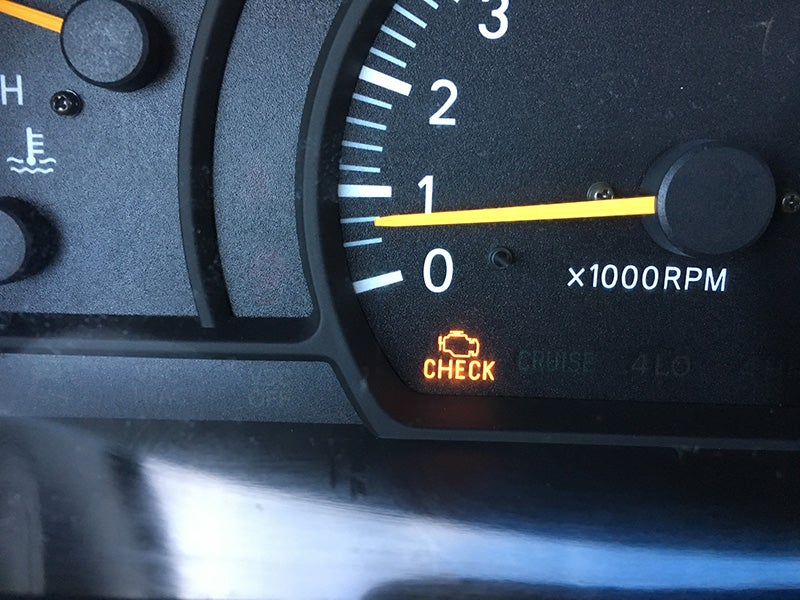
Everyone that’s owned a car knows the woeful feeling of looking at your dashboard and seeing your check engine light turn on. It’s likely that the possibilities of what the issue could be are racing through your head. The problem could be as small as an oil issue, or something more severe like an engine malfunction. Regardless of the reason, it is imperative that you take your vehicle in to a trusted auto repair shop to get it diagnosed. Ignoring it could result in a much more larger and expensive problem down the road.
Origins of the Check Engine Light
Prior to being labeled as the check engine light, this dashboard alert used to be known as the malfunction indicator lamp. Defined as a signal from the vehicle’s engine computer that something is not right. Typically, the light will be red, yellow, or orange dependent on the manufacturer. A flashing light signifies that a significant issue is arising and that the vehicle shouldn’t be driven too much longer in the current condition that it’s in.
My Check Engine Light Turned On, What Now?
Check Engine Light problems are time sensitive and should not be put off until the last minute. Most people wait until the last minute to get their car serviced but rest assured that this will only damage your vehicle even further. The issue could be as minor as oil change, but ignoring it can lead to costly engine repairs.
Listed below, are some tips on how to go address your check engine issues:
- Check to see if the problem is high-priority
– If so, do not continue driving and hope that everything is going to be okay. Park your car on the side of the road and turn off your vehicle.
- Take the stress off your engine
– If you’re putting your vehicle under major stress by driving too fast or carrying more weight than your vehicle can handle, it’s likely that your engine is trying to over-compensate which is causing the light to go off.
- Make sure your gas can is tightened
– Some check engine light goes off simply because the gas cap is loose.
- Get your vehicle diagnosed
– If you aren’t certain on what’s causing your vehicle’s check engine light to come on, it’s better to be safe than sorry and take it in to a certified mechanic. Some of the newer makes have the ability to self-diagnose themselves to let you know what needs to be serviced.
Call Us For All Your Auto Diagnostics Today!
Don’t put your vehicle’s life or performance on the line. Our diagnostics experts are trained to get to the source of the issue in a quick and efficient manner. Call to schedule an appointment for a diagnostic inspection today and give yourself one less thing to worry about!
Why Checking Your Coolant Is Important
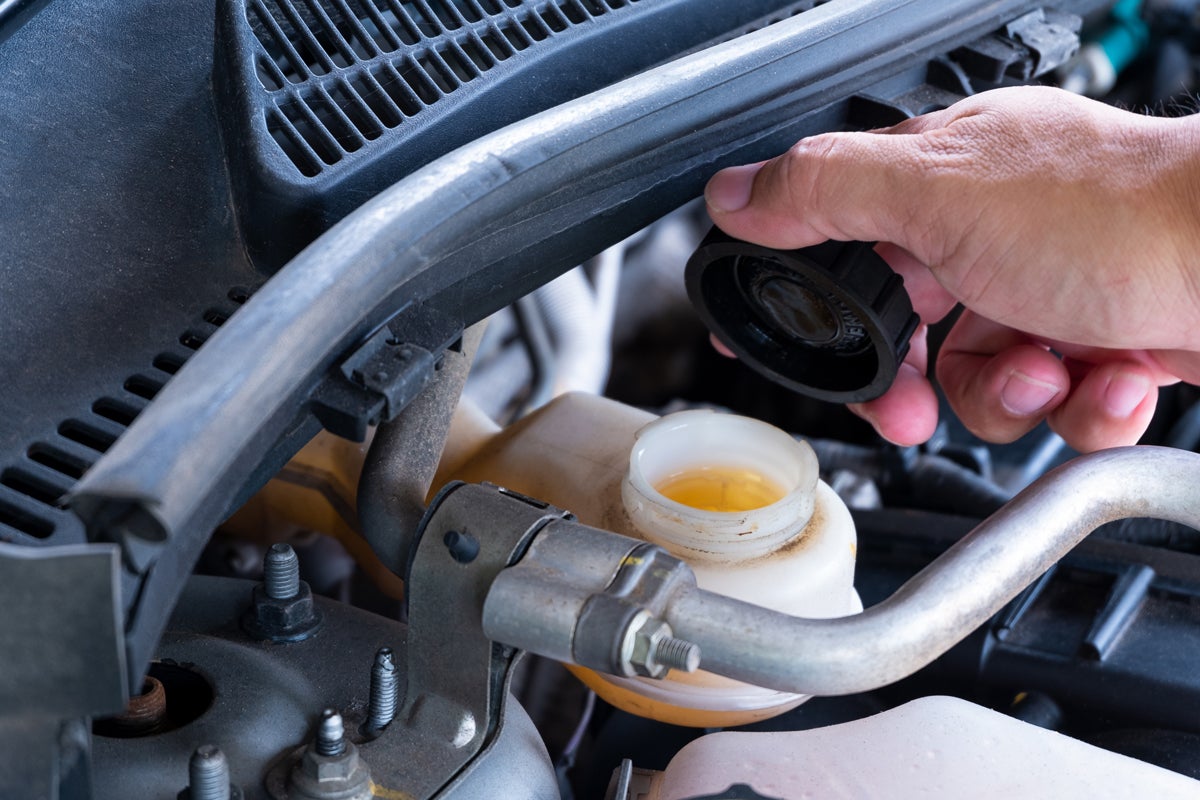
Engines take on a huge workload. Understandably, this causes your engine to get extremely hot. The radiator works to regulate the engine’s temperature to prevent it from overheating. The radiator can’t do it’s job without coolant because it stops the liquid in the radiator from freezing once the temperature gets down to a freezing point. Vital fluids such as coolant and refrigerant can affect the performance of your vehicle. Not being aware of the status of these systems can lead to inefficiencies, unnecessary strain, and eventual mechanical breakdown.
What Is A Cooling System?
Although gasoline engines have improved a lot, they are still not very efficient at turning chemical energy into mechanical power. Most of the energy in the gasoline (perhaps 70%) is converted into heat, and it is the job of the cooling system to take care of that heat. In fact, the cooling system on a car driving down the freeway dissipates enough heat to heat two average-sized houses! The primary job of the cooling system is to keep the engine from overheating by transferring this heat to the air, but the cooling system also has several other important jobs.
Checking Your Coolant System
If your coolant levels are low enough, you can bet that your engine will overheat in a matter of minutes. Prevent this from happening by following these steps:
- Pinpoint the coolant reservoir underneath the hood of your vehicle.
- It should be a small reservoir tank with minimum & maximum line shown.
- Simply, if the fluid is below the minimum line, you need to add coolant.
If you ignore your low coolant levels, it could cause irreversible and pricey damage in the long run.
Checking for Problems
If the fan system sounds fine and the air flow is normal, check the heat coming out of your vents. There should be enough heat coming out of your vents to warm the interior of your car quickly after it has been running for 15 or more minutes. Be sure to place your hand over the vents near the dashboard, the floor, and the near the windshield to assure the heat flow is uniform.
Routine Maintenance
Be sure to read your owner’s manual to get a good idea of how frequently you should get your coolant flushed and restored. Keep in mind; if you begin to notice that you are filling your coolant more than often, chances are there’s an issue with your vehicle. If you notice a problem of this nature, bring your vehicle into our shop today and one of our certified mechanics will inspect and repair your cooling system!
Reasons Why My Car Is Overheating?

There aren’t many things more anxiety-inducing than driving along and suddenly noticing your temperature gauge is creeping up, hotter and hotter. You might say to yourself:
- “Oh no! Why is my car overheating?”
- “Do I have a radiator leak?”
- “Do I need a radiator repair?”
- “Should I try to make it to an auto repair shop, or pull over and have my car towed?”
As experienced mechanics, we can tell you a car overheating problem isn’t something to ignore, as you could seriously damage your engine. Here’s more advice on looking out for radiator issues, like a radiator leak, and reasons you may need a radiator repair.
Possible Reasons for Car Overheating

If you’re driving along and notice your temperature gauge moving toward the red, your car isn’t going to immediately explode or anything like that; however, driving with an overheating engine can cause serious damage to your car. It’s best to pull over and deal with car overheating right away rather than risking very expensive auto repairs later. If your car is overheating, turn off the A/C, as running the air conditioning puts strain on your engine, and turn on the heater. This blows some excess heat from the engine into your car. While it’s not ideal on a hot day, it does help cool the engine down. You can also put your car in park and rev the engine. This makes the radiator fan and water pump work faster, which pulls more air and water through your car’s radiator. Keep in mind, these are only temporary fixes until you get to an auto repair shop.
Issues with Your Radiator Warranting a Radiator Repair
Despite the smoke that an overheating car emits, it won’t cause your car to blow up or put you in any danger. Still, an overheating engine can do some serious damage to your vehicle and your wallet. As soon as you notice that your car is overheating, pull over immediately. Continuing to drive can worsen whatever the issue may be and could cost you pricey auto repairs in the long run. Additionally, you’ll want to turn off the air conditioner when your car overheats because it puts stress on your engine. Instead, put your heater on to release some of the extra heat from the engine to assist in cooling it down. In turn, your radiator fan and water pump will operate quicker, pushing more air and water through your vehicle’s radiator.
We Can Fix All of Your Car Overheating Problems
If you notice your car is overheating, turn the heat on in your car, as this will help move hot air away from your engine, and bring it to a mechanic right away. Procrastination is not an option when it comes to car overheating—you could cause your engine system to fail, which can mean thousands of dollars in auto repairs. Tend to that radiator leak now, get the radiator repair you need, and thank yourself later.
Best Time to Purchase New Tires
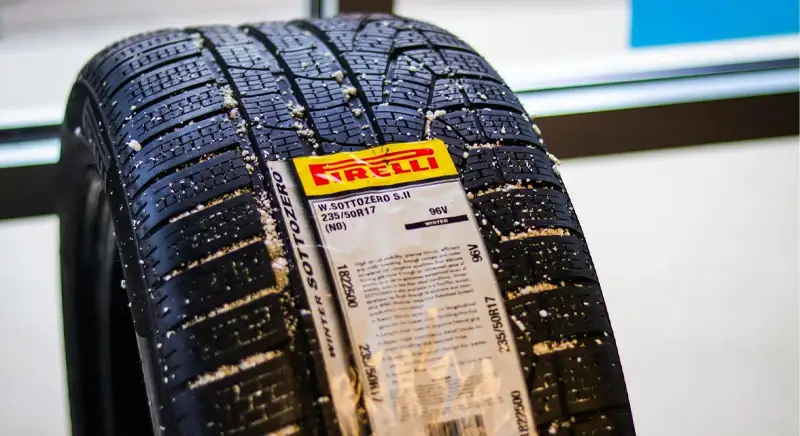
There are numerous indicators to look out for that will cause you to buy new tires for your vehicle. However, attempting to figure out the precise time span for how long your tires last is nearly impossible.
There are numerous elements that factor into the longevity and mileage of a tire, subject to:
- Weather forecast
- Tire’s model type
- Driving routine
- How driver handles tires
- Road’s habitat
What we do know is, that the more beating a tire takes on, the more likelihood that it is unsafe to drive. A tire tread’s initial design is to reroute water from beneath the tire, which leads to improvements in traction on the road and less hydroplaning when the ground is wet. The more worn that the tire gets, the more undependable it gets. Once the tire shallows down to 1/16th of an inch, it is considered totally unsafe. Professionals, however, suggest that you don’t wait until your tires get to that point to get new tires because your safety will be in jeopardy in bad weather conditions.
How to Tell If It’s Time for New Tires
Tire alignment will aid your tires in performing to the best of their abilities and increase their lifespan. Thus, alignment should be thought of as equally of importance to the upkeep of your tires. Improved handling and the prevention of the pulling of your vehicle in one direction are other favorable effects that tire alignments gives you. If you are worried that your tires aren’t aligned or just want to check to make sure, come get it checked as soon as possible.
Other Factors
Still, there are countless other circumstances that add on to the damage of tires that are usually uncontrollable, including weather cracking and sidewall integrity. When tires begin to age or are vulnerable to harsh weather surroundings, the rubber starts to lose elasticity and cracks form on the exterior. Light cracking may not indicate you need new tires, but if you start to spot a lot of splintering, it would be smart to take your vehicle to a tire shop where a professional can assist you in deciding if you need new tires.
Our Auto Repair Shop Can Help with New Tires, Tire Repair & Wheel Alignment
When it’s time for new tires, call us! We can also help if you need a tire repair, or it’s been a while since your last wheel alignment. Our auto repair shop is honest and upfront when it comes to making tire recommendations. You can trust us to steer you in the right direction when it comes to tires, and we’ll take care of your new tire installation or tire repair as quickly as possible so you can get back on the road and back to your life.
Don’t Forget To Tune-up Your Vehicle
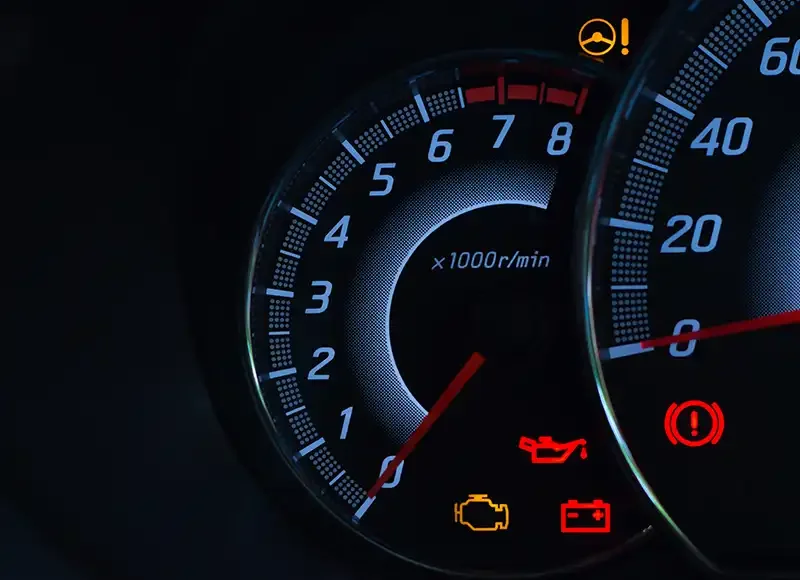
If you want your vehicle to last as long as possible while performing efficiently, you should bring it to the nearest auto repair center for regular tune-up services. The certified technicians at our repair shop can perform various preventative maintenance services, including tune-ups on your truck. The majority of vehicles are in need of a tune-up service every 30,000 miles. Our shop offers dependable, affordable and quality tune-ups, as well as various other various repair and maintenance services.
Tune-up Benefits
Tune-ups can be performed in a variety of ways, contingent on the type of vehicle it’s done on. Benefits of tune-ups include:
- Increased gas mileage
- Longer vehicle lifespan
- More engine power
Tune-ups can also help identify serious engine issues by finding and switching out faulty components, such as spark plugs and fuel filters, before it’s too late.
Components
Each component of your vehicle has a certain life expectancy, so it should not come as a surprise when for instance, your transmission or suspension breaks down. The life expectancy of each component is shown in your owner’s manual with specific manufacturer benchmarks, roughly around every 30,000 miles. However, sometimes these components can last much longer that the suggested time frame. Nonetheless, it’s a good idea to have them inspected by a qualified and experience technician at our auto repair shop, on a regular basis. If you want to avoid major problems in the future, you should have a computer diagnostic performed and vehicle components inspected on regular basis.
Symptoms to Look Out For
Issues that signify tune-up services are important to understand. Unusual engine sounds, slow acceleration, air flow & electrical problems, and low gas mileage are all indicators that your vehicle is likely due for a tune-up. Chances are that a mechanic will ask you why you believe that a tune-up is necessary on your vehicle, so being aware of these indicators will help you communicate with the mechanic to explain what you are experiencing.
Professional Tune-ups
The tricky part about tune-ups is that similar symptoms can suggest contrasting issues, and usually there are multiple possibilities for causes and cures. This is why we suggest that it’s a good idea to seek help from a professional technician rather than to try to be one if you have neither the experience nor the right equipment to properly diagnose drivability issues. When speaking to a mechanic, instead asking for a tune-up, let the mechanic know what you’re experiencing and ask him or her to find the cause.
Protecting Your Alternator from Water Damage
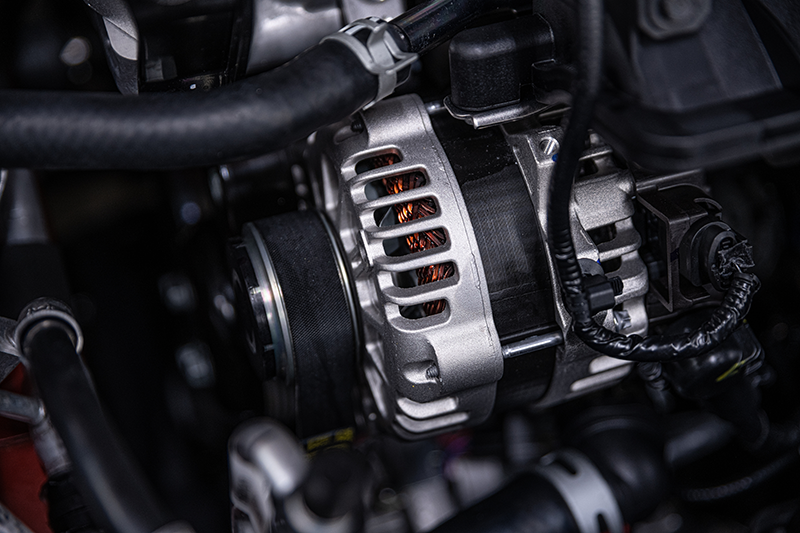
Water is an instrumental part in safely operating your vehicle, but water damage to your alternator is call for repair. Water damage can lead to corrosion and a whole slew of other messes. One part of your car may give you some concern if it becomes wet. Your alternator plays an important role in the operation of your car. Here is what you need to know about the alternator and what happens if it becomes wet.
What is an Alternator?
To understand why an alternator should avoid contact with water, it is important to know what an alternator is responsible for. An alternator acts like a generator for your car. It uses a mechanical pulley system to charge up your battery as you drive it.
That is why your battery always has a charge. You do not have to plug it in like your phone or computer. You just need to drive the car around to get the battery charged.
What Happens If an Alternator Becomes Wet?
You may need to visit an auto technician if your alternator becomes thoroughly wet. However, in most cases, your alternator should be just fine. It is built to handle things like:
· Puddles
· Rain
· Engine washing
Can a Puddle Damage Your Alternator?
Before you head for the auto repair shop because you drove through a puddle, you should know that an alternator can survive a puddle just fine. It is built to protect the delicate components inside from splashes that come from puddles.
You can inspect the alternator’s IP rating to determine how well it does with water and solid debris. For something to be waterproof, for example, its IP needs to be between 65 and 68.
Can Rain Damage Your Alternator?
Although your alternator can handle a puddle, you may wonder if it can survive through a lot of rain. The answer is probably. You may not need alternator repair if you left the hood closed. That is because it is difficult for rain to drip onto the alternator based on its location inside of your car.
You would need to keep the hood of your car open for a long time in order to damage the alternator with rain.
Can a Flood Damage Your Alternator?
You will likely need alternator repair if your car was in a flood. Submerging an alternator in water is not a good thing. It can allow rust to grow on the intricate parts inside of the alternator. If rust grows, then it could cause them to become misaligned and malfunction.
As a result, it will not be able to charge your battery.
If your car was submerged in water due to a flood, then you should take it to an auto technician as soon as possible.
How to Safely Clean Your Alternator
While it is safe to clean your alternator when you are cleaning your engine, you should be careful how you do it. An auto repair shop can do it properly. Otherwise, you just need a rag and some dish soap.
· Cleaning around the alternator and try not to let the water drip inside of it.
· You do not want to use a power washer to clean the alternator.
· Then let the hood stand open to dry the alternator thoroughly.
Get Your Alternator Inspected
If you suspect that water damaged your alternator, then you should take it to a shop immediately. Otherwise, you can expect your car’s battery to die. Drop your car off at our shop today and we will get you back on the road in no time.
Connect with us


- August 2024
- July 2024
- June 2024
- May 2024
- April 2024
- March 2024
- February 2024
- January 2024
- December 2023
- November 2023
- October 2023
- September 2023
- August 2023
- July 2023
- June 2023
- May 2023
- April 2023
- March 2023
- February 2023
- January 2023
- December 2022
- November 2022
- October 2022
- September 2022
- August 2022
- July 2022
- June 2022
- May 2022
- April 2022
- March 2022
- February 2022
- January 2022
- December 2021
- November 2021
- October 2021
- September 2021
- August 2021
- July 2021
- June 2021
- May 2021
- April 2021
- March 2021
- February 2021
- January 2021
- December 2020
- November 2020
- October 2020
- September 2020
- August 2020
- July 2020
- June 2020
- May 2020
- April 2020
- March 2020
- February 2020
- January 2020
- December 2019
- November 2019
- October 2019