

Common Engine Damage Points

The engine is the most important component in the functionality of your vehicle. Engine damage is inconvenient and scary. However, knowing the signs can often avoid severe damage; you must pay attention! Regular preventative maintenance can also help catch issues before they fester into real problems. You should never ignore any signs of engine failure and immediately seek an automotive repair shop. Although not all engine issues are serious, they can all result in engine failure and, in the worst cases, involve the purchase of an entirely new engine.
Engine failure warning signs
The check engine light is the first warning sign to be on the lookout for. This light indicates that there is some issue within the engine and that it’s best to get your vehicle looked at. Engine knocking is a frequent knocking or banging sound coming from the engine; if left unattended, this issue could cause significant damage. Smoke from the exhaust can also indicate that your engine has a problem. Overheating can cause many problems and can cause the engine to seize if driven. Decreased fuel economy could indicate that your vehicle has engine damage and may need engine repair.
Most common vehicle engine problems
Many problems can occur in your vehicle’s engine bay. These engine issues can range in severity and cause more significant problems if left untreated. They are:
- Improper lubrication
- Oil deposits
- Broken timing belt
- Leaking coolant
- Damaged oxygen sensors
- Aged spark plugs
- Failing oil pump
- Prolonged engine detonation
- Inadequate fuel and air compression
These engine damage points can lead to more severe damage if left untreated. While these are the most common engine problems, there are others left unlisted that your vehicle may be experiencing. If you suspect your vehicle has engine problems, don’t hesitate to contact our automotive repair shop.
Causes of engine damage
One of the most preventable causes of engine damage is a lack of oil in the engine. This causes the engine’s moving parts to grind together and cause severe damage. Your vehicle can also experience damage from misfires, an explosion event that occurs in your engine’s combustion chamber. This can be caused by an issue with the timing, air/fuel ratio, or spark ignition. This isn’t an issue, but continuous misfires can lead to significant damage over time. A hydro-locked engine could also be a culprit for engine damage. This is when your vehicle gets submerged in water that is too deep, such as a flash flood, and water gets sucked into the engine. Water cannot be compressed, so it can cause significant issues; it is best to avoid deep water that is more than a couple of inches deep if possible. An overheating engine is the most common cause of engine damage, as issues with your cooling system can cause the engine to get too hot and make the metal components bend or warp and seize the engine altogether. To prevent his damage, keep an eye on your engine temperature gauge and have your cooling system checked periodically.
Vehicle Whining Noises – What It Could Indicate

A vehicle is made of many different components that support the engine to keep a vehicle running successfully. The parts that make up a vehicle are all susceptible to failure and can communicate to the driver when the performance of the part is on a decline. Some sounds are expected from a vehicle since it is a working machine that is constantly being started and shut off, accelerated, and braked, turned, and reversed, as well as many other actions. There are normal noises for a working vehicle, and then there are abnormal noises. Here is a detailed list of possible noises, what parts these noises may be coming from, what could be the issue, and what repairs may help.
Whining Noises:
When Turning
If there are any whining noises in a vehicle during operation, it could be due to various possibilities. For instance, whining noises when turning can be an indication that there is an issue within the steering column. Maybe the steering belt is performing poorly, is loose, or is torn. There is also the possibility that the steering system lacks the appropriate or recommended amount of fluid. The repairs for this issue could be having the steering column inspected thoroughly to reveal if the components in the steering column need to be replaced entirely or if something as simple as having fluids topped off is the best solution.
During Acceleration
Whining noises when the driver attempts to accelerate the vehicle can correlate to an issue with the transmission. Transmission issues can derive from little to no transmission fluid to worn-out gears. These issues could be simple to fix by taking the vehicle to a professional technician to replace the gears using top-of-the-line parts or getting some maintenance services performed by receiving proper fluid replenishment.
While Idling
A vehicle’s engine is designed to maintain production even if the vehicle’s wheels aren’t turning. This stage is called idle. While a vehicle is idling, the engine is running and working non-stop. It is normal to hear the engine while in this stage, but some noises can indicate that the engine is struggling to perform correctly. If the vehicle begins whining while stationary, it could be because the engine needs an oil change. After all, oil changes are the lubrication the engine needs to perform at maximum level. Without it, the engine could give out completely or break down to protect itself. There is also the possibility that whining noises while idling is because the valves are stuck and need some adjusting which is a simple fix. Lack of oil can cause irreversible damage in the long run if there is a pattern of lack of maintenance. It is highly recommended to have fluid services like oil changes done on time to prevent issues with the engine and its parts.
What are some other audible abnormalities?
There are plenty of other noises that a vehicle may make to communicate that there is an issue with one or more of its vital parts; here a three common sounds. These noises should never be ignored because although they may start off as easy-fixes or replacements, ignoring the signals that a vehicle makes for too long can revert to costly repairs.
Knocking, Popping, or Banging
Some common causes of knocking can be because low-octane gasoline resides in a vehicle engine, although it requires high-octane gasoline. A simple mistake such as this causes the engine to respond negatively, which will reflect in its performance during every ride. To fix this problem, it is vital to ensure that proper fluids are placed where they should be every time.
Squealing or Chirping
Brakes are vital for the safety of every driver and passenger. Noises such as squealing can come from brakes, revealing that either the brake pads, brake rotors, or brake shoes will need to be replaced. Expert technicians recommend regularly inspecting brakes to make repairs or replacements on time.
Clicking or Tapping
When the sound of clicking or tapping is indicated during operation, it could be coming from the CV joints. The CV joints connect the vehicle’s transmission to its wheels. The transmission helps with controlling and maintaining speeds for the driver. If either one of these components isn’t working correctly, it lessens the vehicle’s ability to get the driver from point A to point B. CV joints are easy to tend to since you can only replace them. Issues with the transmission can require replacement or even a complete rebuild.
When noises are trying to alert the driver that there is in issue it is critical for the safety of the driver and the health of the vehicle that these signals be inspected immediately so that repairs or replacements are performed following.
Warning Signs That Your Vehicle is Overheating
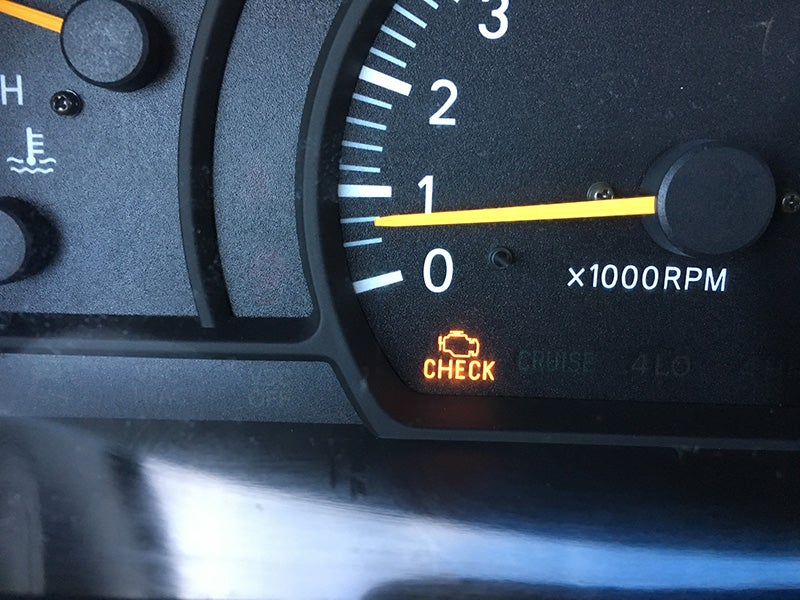
If you are driving down the road and notice that your temperature gauge is showing that it is hotter than usual, pull over as soon as it is safe. Operating a vehicle while it is overheating is unsafe and could cause a catastrophic failure for your vehicle. Knowing the warning signs of overheating and understanding what to do when it occurs could save your vehicle’s engine and yourself a lot of money in the future. A cracked engine block and cylinders can make your engine seize, which can be a very costly engine repair. You may need cooling system repair, but it is essential to watch for signs and respond to them immediately.
What to look out for
The warning light on the dashboard is the first sign to look out for. Knowing what warning indicators mean and they pop up will keep you informed; refer to your owner manual about what the symbol looks like in your vehicle! This symbol will showcase when your temperature gauge is nearing its maximum, which indicates that your engine is too hot! Another sign that your engine is overheating is steam coming from your vehicle’s hood, or your hood is hot to the touch. This also indicates that your engine is too hot! Another indicator is a strange, sweet smell that originates from the engine. This could be the scent of leaking radiator fluid, be on the lookout for a pool of coolant on the ground under your vehicle as well! If you notice any of these signs, then you may need cooling system repair!
What to do when your engine is overheating
If you notice that your vehicle is overheating, here are some things you can do to help cool off your engine.
- Pull over as soon as it is safe; driving with an overheating engine could cause significant damage.
- Turn off the air conditioner and turn up the heat; this helps divert the heat away from the engine.
- Call our automotive repair shop, as this is a severe problem, and you need to get your vehicle fixed asap.
- Wait at least 15 minutes for your vehicle to return to a normal engine temperature.
- When you notice the temperature gauge increase, you’ll need to let it cool off again before driving it to our automotive repair shop.
- If the engine is completely cooled, you can add additional coolant; check your owner’s manual for more information on adding coolant to your vehicle.
What should you do next?
Do not let this issue stay around and linger. This type of problem is not something that will go away on its own; you will need to have your cooling system repaired by a reputable automotive repair shop. This issue is of great importance that a team of expert technicians resolves it. To prevent this type of issue from happening in the first place, we recommend regularly scheduled coolant flushes and radiator maintenance. Routine inspections and preventive maintenance on your vehicle will drastically reduce the chances of something like this from occurring in the first place and can help fix potential problems before they become more severe.
Top 7 Warning Signs Drivers Overlook

A vehicle is programmed with a computer to communicate in various ways that a fault is detected. Each fault has an error code that displays an icon in correspondence to the issue. For instance, often times if a vehicle dictates low tire pressure, it may communicate just that or post a tire icon on the dashboard to relay the message. An engine issue is typically conveyed with an engine icon to make known one or more parts tied to the engine need healing. On top of these listed messages are others linked to the drivers’ senses, such as sight, sound, smell, and touch. Here are the most overlooked warning signs that can result in major repairs if neglected for too long.
Overheating
Coolant is necessary for all vehicle types, whether diesel or gas powered, compact car or truck. The coolant keeps the engine from overheating, protecting its vital parts. Coolant should be regularly monitored and flushed to allow the radiator to perform its function. Old coolant can destroy the metal parts that make up the engine due to acidity. Auto experts recommend that a vehicle’s acid levels read no less than 10 to avoid major and expensive repairs to the radiator or the engine and use strips to run test. During the coolant flush process, technicians will use a cleaning mechanism to flush out the coolant to break it down. This procedure flushes not only the old coolant but also any rust, dirt, or sludge that may have accumulated from the water hoses and the engine over time.
Squeaky Brakes
The brakes in every vehicle have the most critical role in protecting the driver, their passengers, and others on the road. Brake issues usually occur due to a lack of maintenance by regularly checking the brake pads, discs, and lines. Brakes often convey there is needed attention through squeaking and squealing during operation. Monitoring the life of these components can protect the brakes from more expensive repairs like warped or worn brake rotors. Decreased brake performance develops due to normal wear and tear, which is why these parts require maintenance. Failure to do so and the brakes could fail completely
Warning Lights on the Dashboard
As mentioned before, every vehicle is programmed with a computer with communication capabilities to relay messages that will be in the best interest of the vehicle parts. Check engine lights can be tied to several different factors within the vehicle. Often, a vehicle will issue a check engine light notification when something as simple as a gas cap is loose. Whatever the case, the warning lights protect the driver and the parts. These warning lights allow the operator to be proactive, take action, and avoid unwanted and potentially expensive repairs.
Transmission Slipping
The transmission is one of a vehicle’s most essential parts. The transmission is in place to ensure that the engine turns and delivers a balanced power rate depending on the driver’s desire. That balance is determined by if the driver wishes to accelerate or drive at slower speeds. Transmissions require fluid to conduct performance and are needed to be flushed in intervals. These flushes exist because, just like other components of a vehicle, normal wear and tear deplete parts and fluids of their capabilities. Frequently, a driver may hear strange noises from the transmission or restrictions when shifting gears to convey that a flush is necessary.
Shaking, Vibrations, Burning Smells and Smoke
With the use of the driver’s senses, many issues can be determined and possibly fixed before significant repairs are mandatory. Vibrations or shaking are one of many apparent indicators of an issue. Any shaking or vibrating in the steering wheel or the seat may be due to suspension decline, bad tires, or an electrical issue. The smell of burning oil or visibly identifying smoke from under the hood could be due to a blown gasket, a damaged cylinder, or worse, a cracked engine block. Cracks in the engine parts can cause coolant to burn a thick white smoke. There is also the possibility that small amounts of motor oil or other fluids like power steering fluid, brake fluid, or transmission liquid have reached the engine by mistake.
Fluid Under the Vehicle
Fluid leaks under a vehicle are due to broken or worn parts. Water leakage is typically the most harmless instance because a vehicle’s air conditioner must release the excess moisture developed in the cabin and usually does so underneath the vehicle. Engine oil leakage is typically produced by a crankshaft seal, failing engine gasket, or an oil pan spill. A coolant leak can develop due to a faulty hose. A broken radiator with low fluid usually causes a foul odor and potential engine overheating. Transmission fluid varies in color depending on the manufacturers’ standards as either a pink or red fluid. As mentioned before, a failing transmission system will have trouble switching gears or cause unusual noises.
The various ways that a vehicle communicates a fault in one of its parts all help preserve the component’s life before absolute failure, whether it be notifications from the dashboard or the driver’s use of senses. These indications allow the operator to be proactive by fixing the issue. Professionals recommend maintenance services be performed routinely to stay on top of faulty parts before they require significant and expensive repairs.
What Are the Signs of Wheel Imbalance?

Wheel imbalance is overlooked until an unfortunate event such as a blown tire occurs, and you’re left stranded. There are ways a vehicle communicates that its tires are improperly balanced that can alleviate the probability of unfortunate occurrences. Often, a vehicle’s steering wheel may vibrate, or the tire tread may disappear to relay the message of fault somewhere. Read along for a list of the most common signs a vehicle may need wheel balancing.
Over time some repairs will indeed be necessary, and then there are times when things just happen, and the outcome is repair or replacement. When it comes to wheel imbalance, repairs can result from factors such as improper tire pressure, the weather, worn-out tires, loss of tire weight, and improper alignment, all of which can reflect one another. Each of these factors may result in repairs because when the tire pressure in one tire is lower than the other, the vehicle loses stability.
Here is a list of reasons why a vehicle’s wheels become imbalanced:
Low Tire Pressure
Low tire pressure can be due to the weather. In colder months, tires often experience lowered pressure due to the cold air causing the air to become more condensed.
Worn-out Tires
Worn-out tires are often the result of normal wear and tear, but it can also be due to a lack of tire rotation practices during maintenance appointments or the fact that tires can come into contact with rough road surfaces or tarmac. Either of these elements may contribute to tires wearing quickly.
Loss of Tire Weight
Another possibility for improper wheel balance may be because a tire loses its weight, and proper tire weight is vital for vehicle balancing and stability purposes. A lot of times, simply hitting potholes or speed bumps at increased speeds can cause tire weight loss.
Improper Alignment
People often confuse wheel alignment with wheel imbalance, but they are, in fact, different. If the alignment is wrong, the angle to which the tires touch the road will be uneven, which can cause overly used tires. Improper alignment can decrease wheel balance performance simply because the alignment parts are in place to maintain the performance of the vehicle’s suspension system.
Experts say that there are specific indicators that the wheel balance on a vehicle is declining. These symptoms range from issues in the steering column to the shocks and bearings. These factors are reliant on one another and are a part of what makes a vehicle’s wheels adequately balanced to get the most of the wheels and tires for a smooth ride.
What are the signs of wheel imbalance?
Balanced wheels ensure that the vehicle’s weight is evenly distributed because when all areas of the wheel tire unit are as equal as possible, the wheels will roll smoothly. Here are the most common signs that a vehicle may need wheel balancing service:
- Vibrations in the wheel column are one of the earliest signs that there is an imbalance. As the imbalance consistently declines due to lack of repair, the vibrations in the steering column will increase. Neglect could negatively affect the cabin of the vehicle as a whole if it goes on too long by damaging the floorboards or rear seats.
- Wheel imbalance can also cause steering the vehicle to be more difficult by delaying the steering response time. Loss of control of the vehicle is dangerous to you, your passengers, and others on the road.
- Uneven tire wear is another early sign of wheel imbalance which is why routine tire rotation should be an essential part of maintenance upkeep. Neglect to do so will result in eventually flat or busted tires. This occurring during operation is dangerous for you and others.
- Since unbalanced wheels put more stress on the engine because the engine must work harder to keep the vehicle on the road, it essentially sucks up more fuel contributing to bad fuel economy.
- The shocks, bearings, and other significant components of the wheel assembly system make a ride smooth for the driver and passengers. These components absorb the impact from the road by limiting any swaying or up and down movement during travel. The springs or coils pivot and rotate to create an even ride on both sides of the vehicle. When the wheel assembly system is improperly functioning, it is due to imbalanced wheels, which causes more wear and tear on the tires.
The number one clue of a wheel balance issue is unevenly worn tires or vibration in the steering wheel. Since wheel imbalance can be due to several factors and the vehicle communicates in various ways that there may be the need for professional attention, it is vital to stay on top of maintenance. Routine tire rotations will grant the operator the knowledge from vehicle professionals that wheel balancing service is due!
The Signs of a Failing Alternator
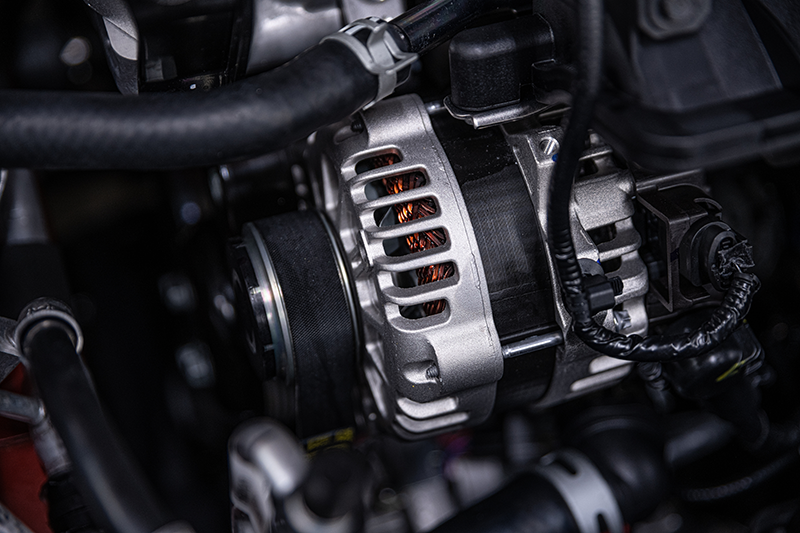
The alternator is what keeps the vehicle thriving while the engine is in drive mode or idle. It works as the primary electrical supply source for the vehicle. It contributes to the functionality of various parts, from the headlights to the radio. With this role, the battery and other electrical components rely on it, which can give it the potential to fail due to normal wear and tear. On top of normal wear and tear, there are many other causes of alternator failure that your vehicle will attempt to warn the driver. Below is an explanation of how an alternator works, signs of a failing alternator, and some common causes of failure.
How Does an Alternator Work?
A vehicle is made up of countless different parts that all work together to cater to the engine to run the vehicle. The alternator component powers most of the electrical parts of the vehicle while it runs or sits idle. The alternator is made of electrical power referred to as a Direct Current (DC) that supplies the headlights, electrical steering, windshield wipers, radio, and a few other functions with energy. An alternator turns mechanical energy into electricity, giving the drive belt power when an engine is running. The drive belt or serpentine belt shifts power to the engine and other parts such as the alternator. Using a pulley system and tensioner device, the serpentine belt constantly runs as the vehicle runs, and that rotational power motivates other parts to run. The serpentine belt leans on the pulley system while it turns the alternator’s rotor shaft. The rotor shaft also transmits electrical power toward the engine. The rotor shaft spins the magnets that are in place to generate what is called an Alternating Current (AC). The alternating current sends currents to the alternator’s rectifier component that converts the AC power into DC power. All this process is what makes a vehicle’s electrical system function.
The alternator’s role in a vehicle supplies many different parts with power; without it, it would be difficult for a vehicle to function at maximum capacity. Like any other component in a vehicle with a significant contribution to its success comes decline. Some of these declines may be due to time and use, while some causes of failure may be due to other elements.
Signs of Alternator Failure
- Dim or Overly Bright Lights
- Dead Battery
- Slow or Malfunctioning Accessories
- Trouble Starting or Frequent Stalling
- Growling and Whining Noises
- The smell of Burning Rubber or Wire
- Dim or Overly Bright Lights
Inconsistent voltage can be due to an alternator’s failure to create enough energy to recharge the battery, negatively affecting the light system’s functions.
Dead Battery
There are chances that a battery in a vehicle dies due to wear and tear, but there are some cases where a dead battery can be due to the alternator not being able to fulfill its purpose. The alternator gives the battery power to consistently provide electricity to several parts of the vehicle. If it is unable to keep the battery charged, the battery will stop functioning altogether and will have to be replaced.
Slow or Malfunctioning Accessories
As stated before, the alternator provides the battery with power, but if its ability to provide power collapses, the functions that rely on the battery’s energy will also begin to decline. For example, the windows in modern vehicles utilize electrical energy for functionality, which means it depends on the battery’s power to go up and down.
Trouble Starting or Frequent Stalling
There may be instances where specific parts like the spark plugs aren’t getting enough power from the alternator and could be creating more significant issues that negatively affect the engine. When the spark plugs don’t get enough power, it could stop the vehicle from running entirely.
Growling and Whining Noises
Growling and whining noises can signal that the serpentine belts that turn the alternator’s pulley are misaligned, or they may even be rubbing up against the side of the pulley to create unwarranted sounds. These sounds are proactive ways for a vehicle to communicate that something is not working correctly and can lead to destruction if not taken care of as soon as possible.
The smell of Burning Rubber or Wires
The drive belt of the alternator has a vital function. Over time, it can fail, and it will signal this failure through the smell of burning materials. A lot of tension and friction goes into supplying power to the alternator, and being that it is close to the engine, it can create thermal energy.
These signs are ways that a vehicle proactively communicates that something is wrong. Some of these signs can tie to more than one issue, but all contribute to failure. With these listed signs come causes. Some causes of loss can be due to normal wear and tear, and some can be because a corresponding part needs attention. Each sign can be rooted in something else.
Common Causes of Alternator Failure
- Wear and Tear
- Overuse
- Faulty Parts
- Hear Damage
- Exposure to Water
- Frayed Wires
The most common cause of a failing alternator is the regular use of a vehicle. These parts are designed to work together for a long time to supply the engine with power. Over time, parts have nothing to give anymore and must be replaced. Issues like heat damage, exposure to water, or frayed wires are due to other problems that will require repairs done by a professional.
Automotive Repairs Due to Vehicle Start-Up Delay
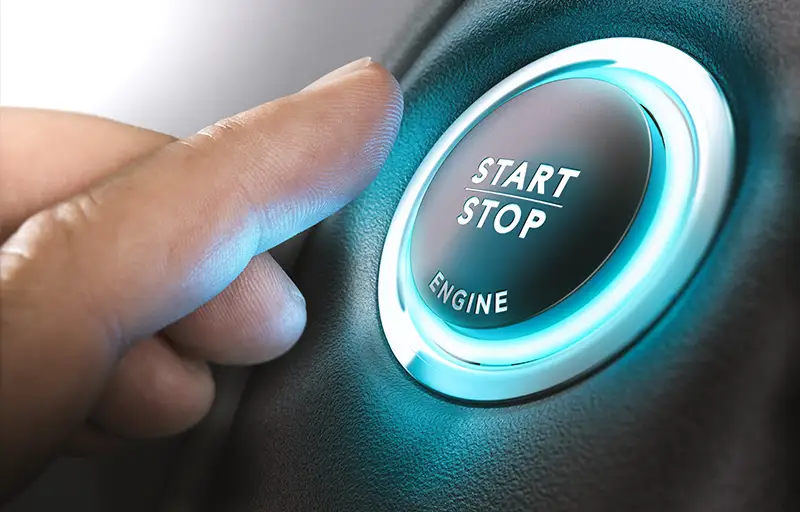
Your vehicle’s starter, battery, and engine work jointly to power it into kick-off. Fuel keeps an engine running, but it depends on the starter to establish part of the ignition process. There are numerous causes of automotive repairs that could circle the functionality of your vehicle’s starter components. This list begins with several possibilities, from a negatively functioning alternator to a clogged fuel filter. Here is a summary of how it works better to understand the starter’s role in the ignition process.
How Does a Vehicle Start?
The starter motor uses power to turn the vehicle into running mode in preparation for drive. The starter requires a heavy electric current which then relies on the power of the battery and alternator. The alternator and battery work parallel to supply the vehicle with a balanced and optimal level of electrical power for engine ignition. When the key turns, the engine rolls over with the starters’ help to fire the spark plugs, and the spark plugs do just that, spark and send air and fuel towards ignition. Now that there is a better understanding of how a vehicle starts, there is room for a showcase of some common causes of failure due to faulty parts and the signs to look for when either of these parts is on their way to complete failure. These signals will allow the driver to be proactive before things lead to significant repairs. The most common causes of a slow start-up with a vehicle can be triggered by:
- A faulty alternator
- A bad battery
- A bad ignition switch
- Poorly performing spark plugs
- Or a clogged fuel filter
Although these faults are unfortunate, they are all designed to communicate when they struggle to perform at the maximum level. These different indications are in place to grant the operator a head start in seeking attention.
A faulty alternator may communicate to the driver its need for attention through growling noises, the smell of burning rubber, dim interior lights, or overly bright headlights. Sometimes a failing alternator can be due to age, but professionals still recommend keeping an eye out for fluid leaks that may hinder parts. Engine oil and power steering fluid tend to negatively affect the alternator most if the two meet, so professionals support routine maintenance to catch minor things before they turn major.
A bad battery is typically the number one reason for start-up failures because it is the leading electrical power source, and the starter relies on its energy. It may exhibit delinquency through dimmed lights, corrosion, a vehicle starting and dying immediately, and a non-functioning radio. Due to these signs, expert technicians recommend prioritizing turning off all lights when exiting your vehicle and keeping the battery clean from corrosion and testing its output voltage level from time to time. Pre-mature failures occur when a vehicle sits for long periods due to lack of stimulation which is why professionals recommend running lightly used vehicles.
If an ignition switch fails, it will often relay the message through car stalls, the key won’t turn, and the dashboard lights may flicker. Once alerts such as these appear, experts suggest bringing the vehicle into a certified repair shop to be placed on diagnostic and make any necessary automotive repairs or replacements.
The spark plugs are in place to direct air and fuel to the engine’s combustion chamber but tend to fail due to a lack of execution of external factors. Poor performing spark plugs may reduce gas mileage, create hard starts, decrease acceleration power, and cause rough idling. The vehicle’s inability to start gets eliminated once the owner takes the following proactive steps:
- Maintains clean spark plugs through routine checks
- Pays attention to burning oil and engine overheating
These are two of the best ways to control spark plug health!
The last common cause of start-up failure may be a clogged fuel filter which can result in poor engine performance, hard starting, stalling, and a check engine light notification. Professionals recommend several ways to eliminate failure, such as getting regular filter changes, paying attention to the check engine light, and getting regular flushes on the engine to avoid build-up from dirt and debris entering the fuel components.
There are several elements in position to deliver initial start-up in your vehicle. Each of these elements can fail if proper maintenance is not in place. Automotive repairs on either of these parts can be expensive but staying on top of routine visits gives vehicle owners the best advantage.
Do I need AC Repair? Learn the Warning Signs
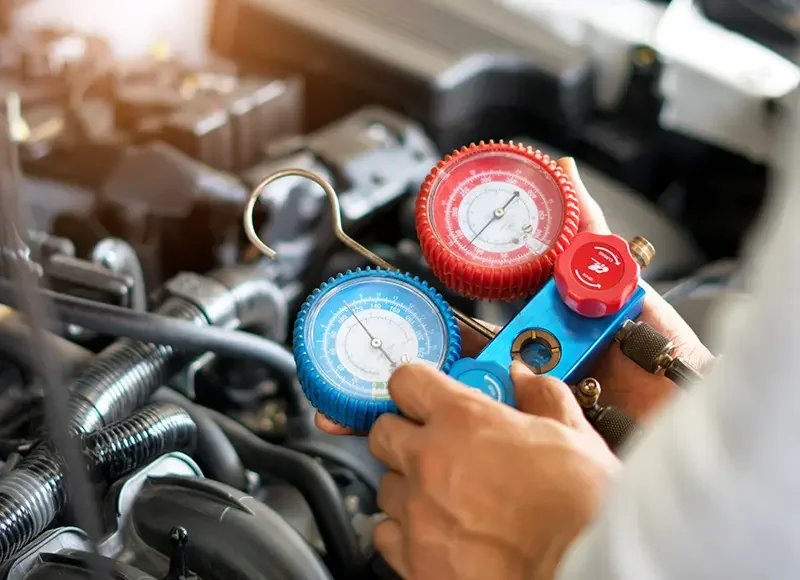
Your air conditioning system designed to keep you and your passengers cool and comfortable during the warmest months must undergo repetitive maintenance to ensure a long lifespan and high performance. Most do not sit and think about how the air conditioning system works. Instead, we just cut it on when we need it. If there were a better understanding of how it works, then most would think about the importance of regular air conditioning maintenance by staying on top of fluids and inspections to reduce premature AC repair. A vehicle’s AC system is made of such parts: the compressor, condenser, accumulator, thermal expansion valve, and evaporator. All have different responsibilities that cater to the function of the A/C system.
The Role of Each AC component
The compressor pressurizes the refrigerant that cools the air and moves the air to the condenser. In turn, the condenser reduces the temperature and pressure of all hot gas that may come from the refrigerant and then transfers that cooled liquid to the accumulator. The existence of the accumulator depends on the vehicle model type simply because this component is only there if there is also a thermal expansion valve. This specific part separates the gas from the liquid while the accumulator monitors and controls the amount of refrigerant that goes into the evaporator that stores any excess refrigerant, blocks debris, and removes unwanted moisture. The thermal valve that works hand in hand with the accumulator controls the amount of pressure and temperature of the AC system and determines the amount of refrigerant that should go into the evaporator. The last possible component of an AC system is the evaporator which is in complete control of keeping the air cool by working with the refrigerant before blowing it into the vehicle’s vents.
Main Causes for Repair
The AC system goes through a thorough process of using hot air and turning it into cold air using refrigerant and pressuring that cooled air into the vents so that each ride is comfortable. Several indications signal that one of the functions is not working correctly, which allows the operator to invest in AC repair. Some of the leading causes of a failing AC system:
- Leaking refrigerant
- Failing compressor
- Mold or mildew buildup on the evaporator core
These failures can play a part in some of the signals a vehicle may give if it is time to make AC repairs. Freon is the liquid refrigerant in each vehicle that cools the heated air. If a driver notices Freon leaking from the cooling system, that may be a sign that the AC system needs repairs. Any small hole or crack that allows leakage can prevent the air from cooling. If you are operating your vehicle and notice strange noises, foul odors, a damp floor, or temperature changes, these are also signs of AC repair. Rattling, banging, or humming can indicate a failed compressor clutch or another major component failure. Musty, moldy, and mildewy smells are usually due to dirt, debris, or all three building up within the AC vents. The AC evaporator unit draws in warm air and permits water vapor to drain onto the road during operation. If the evaporator unit gets clogged with debris, there is nowhere else for the water to go. In turn, water leaks onto the vehicle’s floor and creates moldy odors. When a driver notices that the air runs cold and then warm, that can also be due to a small refrigerant leak because, over time, any loss of coolant will result in less cooled air or a blown fuse within the actual AC unit.
What Can the Driver Do?
Professionals recommend three preventative steps that keep an AC unit from breaking down. The first step is checking the air filter monthly to make sure it is free of any debris that will clog up the process. Secondly, run the AC once a week for ten minutes because stimulating the compressor helps keep it alive. Thirdly, get a full AC service. Regular maintenance guarantees the vehicle stays on top of minor damages that may cause leaks and require extensive repairs if left alone. If these listed signs appear, bring the vehicle to a qualified professional who can make any necessary AC repairs or refill fluids.
Avoiding Transmission Repairs 101
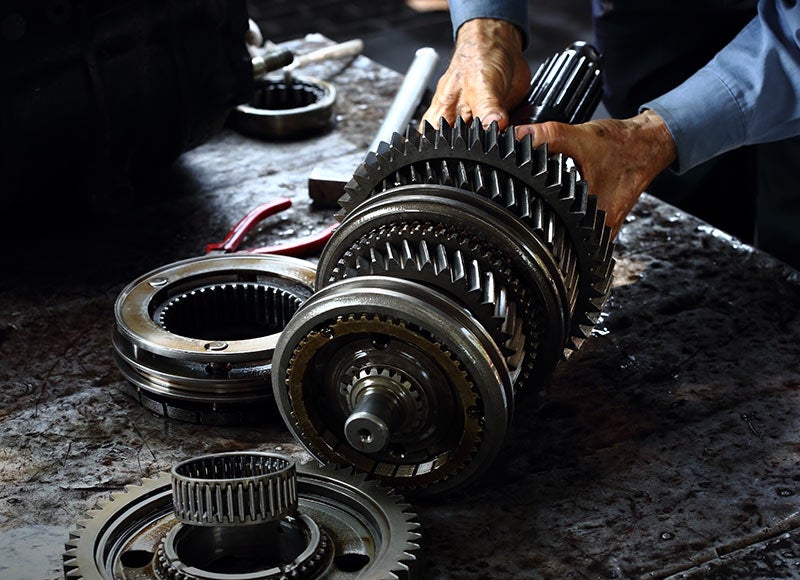
The best way to avoid transmission repairs is to know what purpose it serves in the vehicle and how to properly care for it.
No matter what kind of vehicle is driven the transmission’s purpose remains the same as one of the most critical components within the engine. The transmission is made up of belts or chains that work to push power to the engine and bring life to the wheel system. In doing so, the engine and wheel system work together and allow the driver to be in complete control of speed. If a driver wishes to increase or decrease speed, the transmission makes sure the engine of the vehicle turns at a balanced rate. If the engine did not have the help of the transmission the engine would overwork itself and fail. This process is in the best interest of the driver because it ensures the wheels get an appropriate amount of power and allow the driver to get where they need to go at the speed they desire.
With this understanding of how the transmission works and gives assistance to a vehicle’s engine and wheel system, it is also critical to understand the importance of taking care of the transmission. In order to eliminate the chances of transmission repairs, a driver must take several different steps as well as keep an eye out for several different signs.
What are some ways to take care of the transmission?
- Check transmission fluids
- Do not change gears while the vehicle is in motion
- Get transmission flushed regularly
- Have the engine cooling system serviced
- Allow vehicle to warm up before driven (especially in winter months)
- Have the transmission inspected on an annual basis
Along with these steps to better care for the transmission of a vehicle, there are also signs to look out for that will give the driver the opportunity to get a vehicle to a professional before things get out of hand. Some warning signs include:
- Burning smells
- Leaking fluids
- Check engine light is on
- Grinding or Shaking
The four signs above are only some of the symptoms a vehicle may have when the transmission is in need of attention and may need replacing. Taking a vehicle to an authorized professional is crucial for the well-being of a vehicle because it eliminates the chances of the vehicle being serviced improperly which can lead to further engine issues in the future. An expert technician can ensure that if the driver decided to have the transmission rebuilt, it is done correctly and the driver can get back on the road with peace of mind. It also is a less expensive route for the driver instead of buying a different vehicle.
The Importance of Seasonal Vehicle Tune-Ups
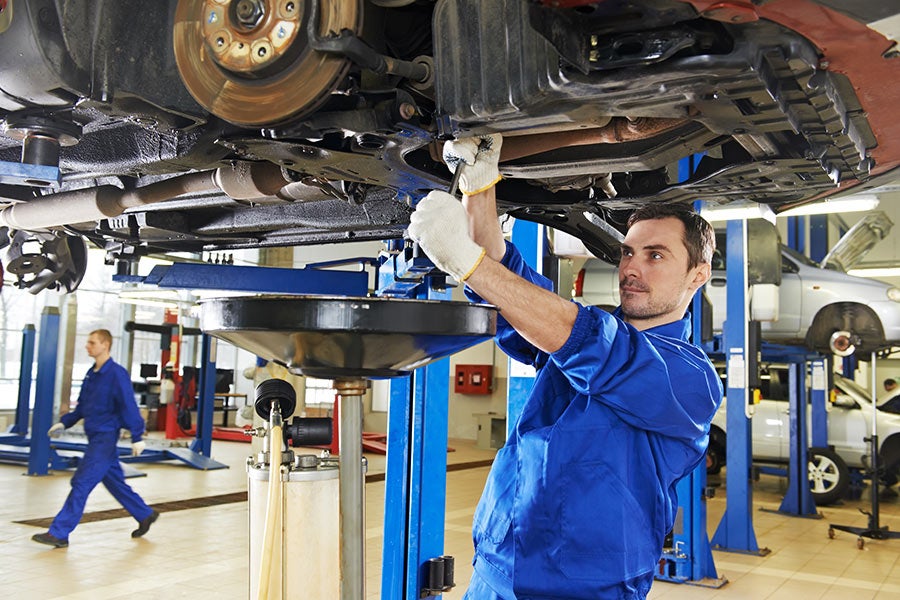
Vehicle tune-ups are a must for any and every driver. Regardless of your vehicle’s age, making sure it’s in tip-top shape can help in its overall longevity. But what composes of a tune-up? Whether you’re a new driver or need a refresher, it’s good to be in the know!
The Million-Dollar Question: What is a tune-up?
Tune-ups are routine maintenance procedures where the mechanic thoroughly examines a vehicle’s engine. They’re primarily checking for dirty, worn, or faulty parts. The goal is to reduce any issues a driver may face on the road by replacing parts that aren’t working optimally. A mechanic will be able to determine if a car needs a tune-up based on a visual inspection or a simple test.
What consists of a tune-up?
Depending on the auto repair shop, a tune-up may differ based on timing, the clientele, and the vehicle’s model and age. However, mechanics usually follow a simple checklist when it comes to a standard tune-up:
- Changing the vehicular filters, including the air filter, the cabin filter, or the oil filter
- Replacing ignition parts such as coils, wires, spark plugs, etc.
- Maintaining the vehicle’s auxiliary systems with a new belt and hose
- Replacing proper fluids like motor oil, coolant, and brake fluid
Those are the main steps that mechanics will follow, but it does depend on the shop you decide on.
When should I get a vehicle tune-up?
According to most mechanics and auto repair shops, it would depend on your vehicle’s age. It should get tuned up every 10,000 to 12,000 miles annually if it’s an older model. Newer models should get a tune-up every 25,000 miles, but some can last longer. A driver should research more about their vehicle’s longevity and maintenance records or even bring up related questions to their mechanics to ensure they’re getting the best service.
Why should I get a tune-up? What happens if I wait?
Great question! Just like physicals and dental check-ups, vehicles must have routine tune-ups. Mechanics are like “automobile doctors,” specialized to ensure they’re running at total capacity. Vehicles are bound to break down with everyday use, and drivers must be up to date in maintenance. They lose their efficiency over time, and if not properly checked, they can cause problems for a driver down the road. Pun intended.
Tune-ups are an excellent insurance policy that keeps your car in its best shape for as long as possible. Drivers must contact their mechanics and auto repair shops, prepared to learn more about their vehicles and how to better care for them. A tune-up is one of the best ways to learn more about your vehicle and what makes it tick. Or honk.
Connect with us


- August 2024
- July 2024
- June 2024
- May 2024
- April 2024
- March 2024
- February 2024
- January 2024
- December 2023
- November 2023
- October 2023
- September 2023
- August 2023
- July 2023
- June 2023
- May 2023
- April 2023
- March 2023
- February 2023
- January 2023
- December 2022
- November 2022
- October 2022
- September 2022
- August 2022
- July 2022
- June 2022
- May 2022
- April 2022
- March 2022
- February 2022
- January 2022
- December 2021
- November 2021
- October 2021
- September 2021
- August 2021
- July 2021
- June 2021
- May 2021
- April 2021
- March 2021
- February 2021
- January 2021
- December 2020
- November 2020
- October 2020
- September 2020
- August 2020
- July 2020
- June 2020
- May 2020
- April 2020
- March 2020
- February 2020
- January 2020
- December 2019
- November 2019
- October 2019