


The steering system is a vital part of any vehicle. It allows the driver to control the direction of the vehicle, and just like all mechanical components, the steering system is prone to failure. Failure can be the result of normal wear and tear and malfunction and can lead to an unsafe ride for the driver and their passengers. In this blog, we will go over the most common causes of steering system failure, the warning signs to look out for, and the preventative measures to avoid costly repairs for the long haul.
What causes the steering system to fail?
There can be a number of reasons why the steering system in a vehicle begins to fail, all of which can jeopardize the safety of the driver and other passengers if the steering column terminates during operation. The steering wheel in a vehicle is in place to assist the vehicle operator with controlling the direction in which they wish for the vehicle to go. With the accelerating pedal, steering wheel, and tires, the driver is granted the ability to turn left or right, drive forward, or reverse the vehicle. A steering wheel system as a whole is made up of the steering wheel, steering shaft and column, tie rods, rack, idler arms, pitman arm, and a drag or center link component. These parts contribute greatly to a vehicle’s ability to be driven in the direction that the operator desires.
The steering system is susceptible to failure, just like every other component in a vehicle. Failure within the steering column typically correlates to normal wear and tear, such as corrosion, loose or damaged connections, or an electrical issue. Corrosion is caused by exposure to moisture, salt, or many other environmental influences. When corrosion occurs within the steering column, the steering parts can become weak or brittle, with the potential to fail over time. Since the steering system is connected to many other components in the vehicle, when wiring or parts become loose or damaged, the steering column is most susceptible to failure. Lastly, electrical issues have the potential to cause a lot of faults within the vehicle. Still, the steering system’s wires and sensors are also open to termination if there are failures within these components as well.
What are the signs?
Some of the signs that the steering wheel system is failing include:
- Difficulty turning the wheel.
- Squeaking and grinding noises
- Steering wheel vibrations
- Steering wheel tilt is not functioning.
- Steering wheel feels loose or wobbly.
- Steering wheel is off-center.
All these signals are the vehicle’s way of communicating that the steering wheel and its components are on their way to complete failure. It is highly recommended by auto repair professionals to have the steering system inspected and repaired as soon as any of these signals occur. Staying on top of maintenance prevents irreversible damage and eliminates the opportunity of compromising the safety of you and your passengers.
How to prevent it?
The best way to prevent steering system failure is through regular maintenance practices to check for leaks and to ensure the correct fluids are being used as well. It is also recommended by auto repair specialists to drive safely and avoid impacts from hitting curbs, barriers, potholes, or any other surfaces that can cause damage to the steering system. Another tip to prevent steering system issues is to avoid overloading the vehicle by putting extra stress on the vehicle and its parts. Lastly, as soon as steering system signals arrive, have a professional make the repair right away. Going too long without acknowledging the signs of fault in your steering system can cause more severe damage down the line.
Helpful Tips:
Some of the best advice to maintain vehicle performance is through the practice of maintenance. Maintenance is pushed by auto repair shops so intensely because it brings to light whatever issues that may start as minor but become major if not taken care of promptly. Our auto repair technicians have the technology to properly diagnose the vehicle to find and get rid of any complexities that may be going on within it. Visit our trusted auto repair shop whenever you suspect any issues with the steering system in your vehicle.
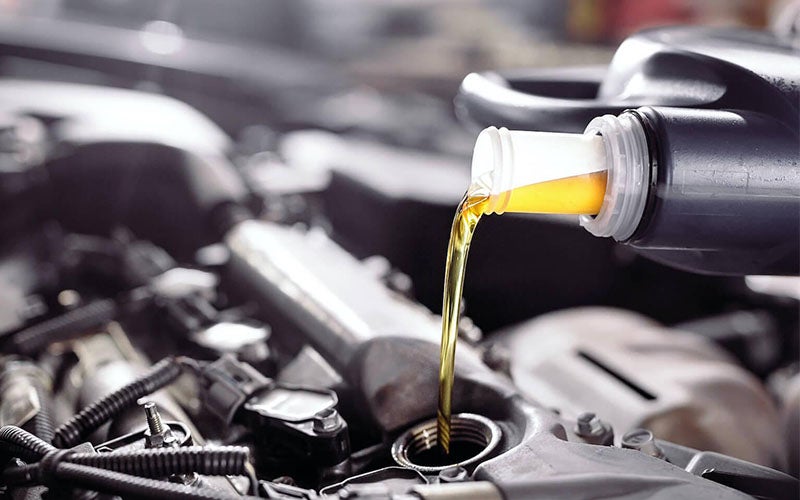
Fluid services are critical components of maintaining the health of your vehicle. From an oil change to a coolant flush, these services help keep your engine running smoothly and can help extend the life of your vehicle. At our reputable automotive repair shop, expert technicians use high-quality products to provide fluid service and keep your vehicle in top condition. They will drain and replace the old oil or coolant with high-quality products that are specifically designed for your vehicle. The technicians will also perform a thorough inspection of your vehicle’s engine and its related components to ensure that there are no other issues that need to be addressed.
Oil changes
An oil change is one of the most important fluid services your vehicle needs. It helps to keep your engine lubricated and running smoothly. The oil in your vehicle becomes contaminated over time and loses its ability to lubricate the engine, which can cause damage to internal parts. An oil change at our trusted automotive repair shop will ensure that your vehicle runs with fresh, clean oil.
Coolant Flushes
A coolant flush is another important fluid service for your vehicle. Coolant, also known as antifreeze, helps regulate your engine’s temperature and protects it from overheating. Over time, coolant can become contaminated with rust and other debris, which can clog the engine’s cooling system and lead to damage. A coolant flush at our professional automotive repair shop will remove the old, contaminated coolant and replace it with fresh, clean coolant to keep your engine running at optimal temperature. By investing in regular fluid services, you can help prevent potential problems from becoming bigger and more expensive to repair. For example, a clogged engine’s cooling system can cause the engine to overheat, which can lead to serious damage to internal parts. This can result in costly repairs that could have been prevented with a simple coolant flush.
Other Types of Fluid Maintenance
In addition to oil changes and coolant flushes, a reputable automotive repair shop can also provide a range of other fluid services, including:
- Transmission fluid services
- Power steering fluid services
- Brake fluid services
Benefits of Regular Fluid Maintenance
Regular fluid services also help improve your vehicle’s fuel efficiency. When your engine is running smoothly, it uses less fuel, which can save you money at the gas pump. By investing in regular fluid services, you can also help reduce your vehicle’s carbon footprint and contribute to a cleaner environment. Scheduling regular fluid services at our reputable automotive repair shop can also give you peace of mind. You can rest assured that your vehicle is in good hands and that our expert technicians will perform a thorough inspection of your vehicle’s engine and its related components. They will catch any potential issues before they become bigger problems, which can save you money and help extend the life of your vehicle.
In conclusion, vehicle fluid services are an important form of preventative maintenance that can help extend the life of your vehicle, improve its fuel efficiency, and give you peace of mind. By investing in regular fluid services at our reputable automotive repair shop, you can ensure that your engine is running smoothly and protected from damage. So why wait? Schedule your next fluid service appointment today!
Reasons and Causes for Car Vibrations
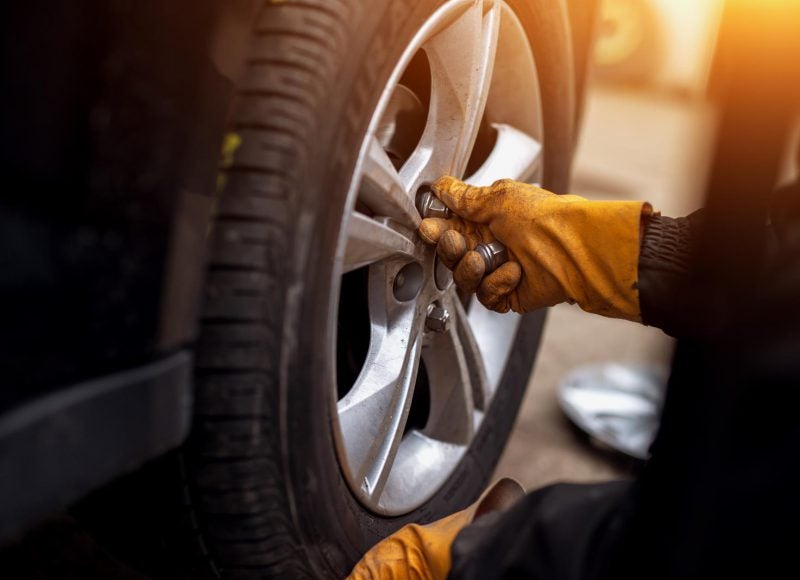
There are several reasons why a vehicle may be vibrating to communicate that there is an issue with a component in the vehicle. A vehicle is made of many different components, all of which have the potential to fail due to wear and tear or misuse. The vehicle is comprised of elements that are designed to signal when there is an issue within it such as shaking, vibrating, wobbling, and more. Car vibrations are one of the most common signs that there are either issues with the axle, wheels, tires, brakes, or the engine. There could even be complications within the steering wheel. Here is a list of parts that may signal through vibration that there is an issue and how it can impact the vehicle’s performance.
Axle
The axle plays a very important role in supplying a vehicle with the support it needs to perform optimally. The axle is made of a rod or shaft that rotates the wheels to supply the weight of a vehicle with proper support. The axle is made up of three very important parts:
- Front
- Rear
- Stub
If an axle is bent or uneven it will often cause the vehicle to vibrate which communicates to the operator that there is an issue. Oftentimes, a bent axle occurs after a collision happens, when a vehicle is driven into a ditch, or from driving over speed bumps too harshly.
Misalignment and the Suspension System
The alignment of a vehicle is the system that connects the wheels to the vehicle such as the suspension system. The suspension system is comprised of various components all employed to support the vehicle’s ability to roll smoothly. When a vehicle is taken into an auto repair shop for alignment service, technicians will simply adjust the angles within the suspension system to ensure the vehicle’s tires meet the road appropriately and proportionately. The suspension systems job is to make sure that all four tires support each other with same speed and direction.
How does misalignment occur?
A vehicle becomes misaligned due to various causes such as:
- Collisions
- Hitting potholes
- Driving a vehicle too harshly
To make sure a vehicle is always aligned properly, the operator must prioritize proper tire care. Tire rotations, wheel balances, and wheel alignments must be maintained to avoid misalignment. When a vehicle is misaligned, wobbling within the wheel system occurs or the vehicle may drift to opposing sides. There is also the possibility of steering wheel vibrations and shaking that may occur to communicate alignment issues. Having the vehicle aligned properly is not a difficult task but it is recommended that it is performed by an auto repair professional to guarantee servicing is done properly to eliminate issues with other components down the line.
Tires
The tires are the most common reason that vibrating occurs in a vehicle. As stated before, the tires require regular maintenance and care to ensure they can supply the vehicle with the support it needs to ride smoothly. The following tire issues will cause unwanted vibrations within the vehicle:
- Tire Imbalance - Vibrating is often displayed when the vehicle is driven at high speeds to indicate that there is an imbalance somewhere.
- Uneven tire wear – Uneven tire wear is normal due to wear and tear but can be kept to a minimum if tire rotations are performed on time. Lack of tire rotation will cause the vehicle to vibrate when driven.
- Improper tire inflation – The tires on a vehicle must be inflated to proper air levels to ensure the vehicle drives smoothly and proportionately. When the tires are inflated at various air pressure levels, the vehicle may vibrate, rattle, or wobble when driven to signal that there is an imbalance somewhere.
Engine
The engine is the most important component in a vehicle by providing it with the power it needs to function. There is the possibly of engine failure due to lack of maintenance which in turn causes the vehicle to signal in different ways such as shuddering, jerking, or shaking that there is a complication. If the vehicle’s engine is not supplied with the right amount of air, fuel, or spark it will not run smoothly. Faulty spark plugs are one of the most common causes of vibrations from the engine of a vehicle. There is also the possibility that a clogged or dirty air filter is causing problems within the engine and in turn the engine vibrates to communicate it needs attention.
Brakes
Another cause of vibrating in a vehicle may be because there are problems with the brakes. Typically, the brakes will severely vibrate whenever the operator applies a maximum amount of pressure to the pedal. Warped rotors are one of the most common causes that a vehicle’s brakes may vibrate to signal that there is a problem and must be replaced by an auto repair specialist to guarantee that the brakes are able to perform appropriately.
How to Tell Your Timing Belt Needs Repair
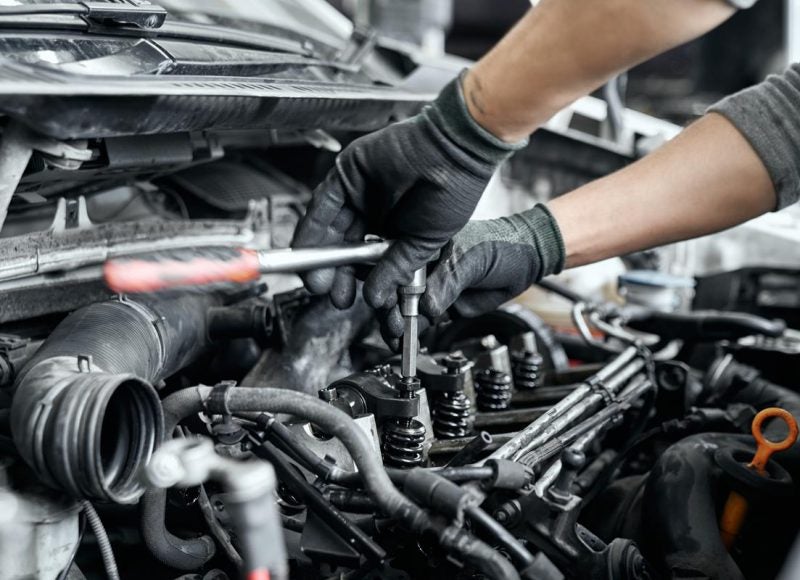
Even though you might not pay much attention to it, your vehicle’s timing belt is crucial to how it works mechanically. An internal engine part called the timing belt ensures that each cylinder fires at the right moment by synchronizing the crankshaft and camshaft rotations. You’ll find your vehicle’s timing belt near the front of the engine, under a timing cover. Because it’s made of high-quality rubber, it will eventually need to be changed. Rubber doesn’t last forever. Without a properly functioning belt, your vehicle isn’t going anywhere.
What is a timing belt?
A vehicle’s timing belt is a toothed belt that coordinates the timing of the combustion process by connecting the engine’s crankshaft to its camshafts. An engine won’t run if the timing belt is broken. Industrial-strength rubber with nylon-reinforced cables inside often makes up timing belts. A timing belt is put through a lot of stress and strain. Despite being long-lasting, it will eventually wear down naturally and must be replaced before it slips or breaks. The engine won’t start if the timing belt snaps, and the cylinder head or other adjacent parts may also sustain damage in severe circumstances.
Symptoms of a faulty timing belt
Although you might never take a look at your timing belt, it is vital to maintain your vehicle’s performance. You will be better prepared for a timing belt replacement if you recognize the symptoms. As your timing belt ages, these symptoms start to show up. It might split, succumb to dry rot, elongate, or even become out of alignment. Keeping your eyes and ears open is critical because most of the following issues will necessitate a replacement.
- Visible exhaust
- Engine misfiring
- Difficulty starting
- Vibrating or shaking engine
- “Slipping” while accelerating
- High-pitched noises when starting
Preventative measures
The best way to tell if your vehicle needs a new timing belt is to look at its mileage. There are warning indications for a bad timing belt that you shouldn’t ignore, yet the majority of us don’t even consider it until there is an issue. Most of the time, symptoms become apparent when trying to start your vehicle or if it starts performing strangely while running. Prevention is the best course of action because manufacturers specify a specific mileage for timing belt replacement. Have your vehicle evaluated if you think it needs a new timing belt. Generally, getting this belt checked every 30,000 miles is recommended.
Why Correct Alignment Is Important for Tires
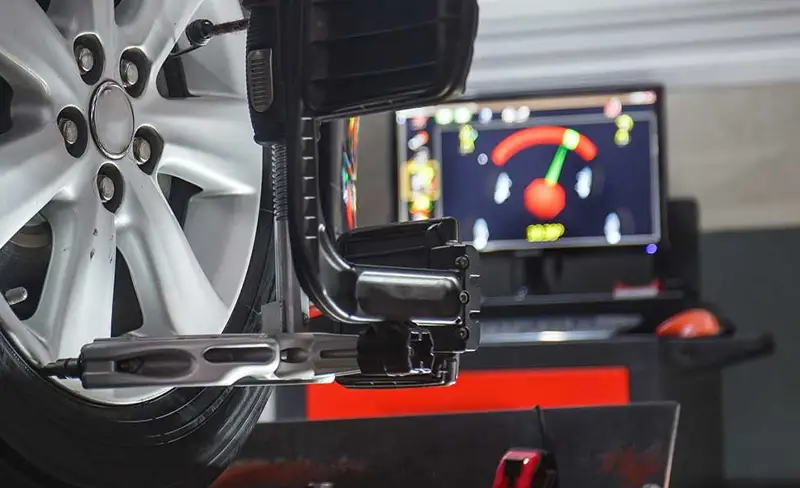
Our automotive repair shop advises checking your vehicle’s alignment regularly every six months. You may also need to check it immediately if you’ve collided with something that could have damaged it. What does the alignment mean exactly? It is a crucial suspension-tuning device that affects your vehicle’s tires’ performance. Your vehicle’s alignment refers to a sophisticated system of calculated suspension angle measurements and varied suspension component adjustments. Fuel economy, comfort, and tire wear are all impacted by proper alignment. Driving around on misaligned wheels can cause issues with how your vehicle handles and drives down the road.
What exactly is wheel alignment?
A wheel alignment is a process of restoring the angles of your vehicle’s suspension and steering to their original measurements. This optimizes drivability and fuel efficiency by placing the front and rear wheels in line with the vehicle’s centerline. A specialized tool that measures the wheel angles in relation to your vehicle’s original specifications is used to perform an alignment. An expert technician then makes any necessary changes. All four wheels on your vehicle should be facing in the same direction, lined up from front to back, and contacting the road at the correct angle when it is in alignment.
What does it affect?
If your vehicle is out of alignment, it will suffer in several ways. First, handling capacity plummets sharply. Your vehicle’s ability to turn in either direction is severely limited when its wheels are not entirely straight. Additionally, your vehicle will likely pull steadily in one direction and have trouble driving straight. The lifespan of your tires may be impacted as a result. Your tires will wear unevenly if your wheels are out of alignment, so you’ll need to replace them more frequently and incur significant costs for tire replacement. Bad wheel alignment often causes flat spots or even tire blowouts due to increased friction on the misaligned wheels. So, to recap, misaligned wheels cause:
- Uneven tire wear
- Reduced handling capabilities
- Pulling steering wheel
Common misalignment indicators to look out for
Tire alignment is critical for your tires to increase their lifespan and continue to operate your vehicle at their optimum capacity. If you notice any uneven wear on your tires, you may need to have an alignment done. Additionally, if your steering wheel is off-center, this could be another indication that you have an issue. If the steering wheel in your vehicle shakes or vibrates or pulls to the side, this also can indicate the need for repair. If you notice any of these issues, contact our automotive repair shop. Our expert technicians can provide quality diagnostics and repairs. Don’t hesitate to reach out by calling or scheduling an appointment on our website.
Struts and Shocks – What to Know
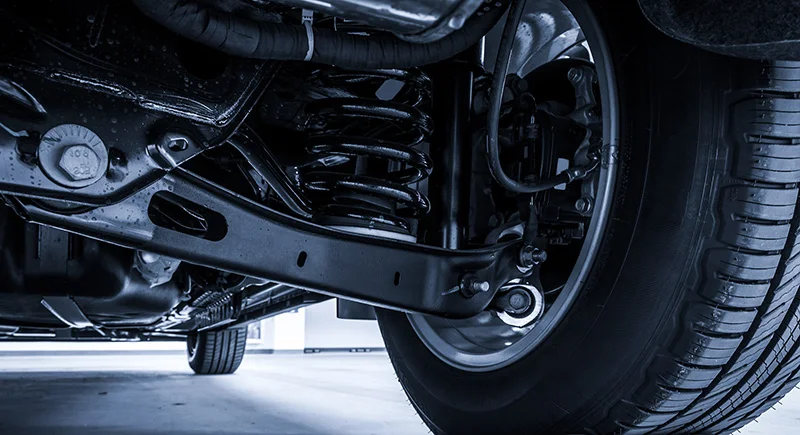
Your vehicle’s suspension system helps keep your tires on the road. There are safety ramifications to consider when driving with old shocks or struts which cause a rough ride. It’s not always simple to tell when shocks or struts need to be replaced either, as you get used to how your vehicle handles. Your shocks and struts can become worn or damaged and must be regularly checked to ensure your safety and comfort on the road. If your vehicle is not maintaining good contact with the road, your steering, handling, and even braking can all be negatively affected. Knowing what to look out for and what to do next is essential to maintaining your vehicle’s optimum performance.
What do struts and shocks do?
Shocks and struts are two separate components with different purposes. Both components aim to improve the ride and handling of your vehicle, but they do so in different ways. While struts are a significant structural element of the chassis and suspension system, shocks are discrete parts of the suspension system. The shock absorber’s primary function is to regulate spring and suspension motion. Struts, on the other hand, support the spring, retain the tire in alignment, and provide structural support for the vehicle suspension. They also support a large portion of the side loads on the vehicle’s suspension. Struts consequently impact ride quality and handling as well as vehicle control, steering, braking, wheel alignment, and wear on other suspension components.
Signs of worn shocks and struts
There are many indicators that your shocks or struts need repair. These problems can be minor at first and grow over time. These issues include:
- Steering problems
- Bumpy or even ride
- Braking problems
- Unusual tire wear
- Fluid leaks
- Bouncy tires
- Overall instability
These issues could indicate that you need suspension repair. Depending on the severity of these issues, you may need to seek immediate professional assistance from our automotive repair shop, as this can be a safety issue.
What happens if you continue to drive on damaged struts and shocks?
If you continue to drive on damaged or faulty struts or shocks, you could endanger yourself. Maintaining traction is crucial, especially when navigating obstacles or keeping up with highway traffic. Your suspension components will deteriorate over time. It might even deteriorate without your knowledge. Additionally, it may result in your tires and other components wearing down more quickly. This can result in your vehicle’s longevity being diminished as well. To avoid this, come to our automotive repair shop, where our expert technicians can provide you with quality shock and strut repair!
Ways to Prolong your Brakes
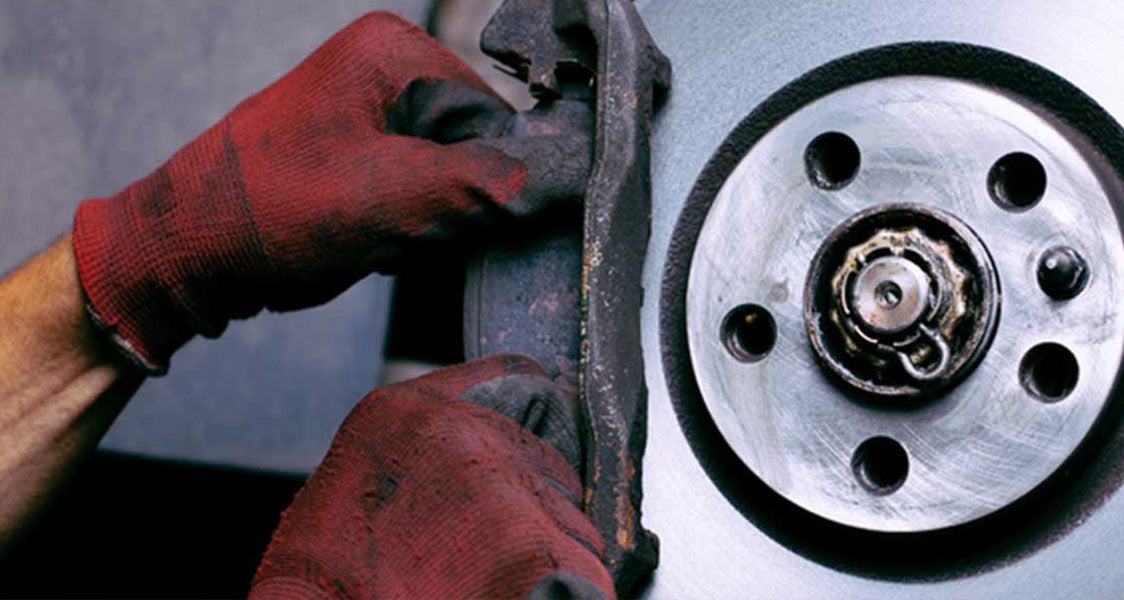
The braking system is an essential component of the vehicle by supplying the operator with control and granting safety. The vehicle and operator rely on the brakes to decelerate and stop completely while in traffic and when parking. The braking system is made of several different parts, and all are susceptible to failure due to normal wear and tear or misuse. Although wear and tear are normal on the braking system and other parts of the vehicle, there are ways to prolong the life of the brakes to ensure the driver gets the most out of their car, truck, or SUV. It is important to know and understand what the braking system is made of to take proper repair steps when brakes are declining in performance.
What are the main parts of a braking system?
The brakes on a vehicle are made up of several different parts, which include:
- Master Cylinder
- Brake Fluid
- Brake Lines and Hoses
- Brake Pads and Shoes
- Brake Rotors and Drum
Each of these parts supports the decelerating or stopping process. The master cylinder is the most important element because it starts the braking process. The master cylinder is activated when the operator pushes on the brake pedal. It sends the proper message to the rest of the parts for controlled deceleration and stops. The brake fluid is an essential part of the brake system too. In fact, the vehicle wouldn’t function properly without it. The braking fluid translates the force from the brake pedal into pressure to the brakes to then stop the vehicle’s motion. This fluid is sent to all four wheels and pushed from the master cylinder through the brake lines and hoses. The brake pads and shoes supply the vehicle’s wheels with friction by rubbing up against each wheel to slow the vehicle down. The brake rotors and drum are metal discs that are attached to the wheel and rotate as the wheels do. The brake pads essentially squeeze the rotors and the wheel to supply support with the stop. The parts of the braking system can decline over time, and the vehicle will communicate in different ways when there is a failure somewhere.
Signs of Bad Brakes
The early indicators that the brakes are on the way to complete failure can be a combination of all or some of the listed signals. When these signals occur, the necessary repairs and replacements should be made immediately to ensure traveling is done safely.
- Squeaking or squealing noises
- Grinding noises
- Wobbling or excessive vibrating when braking
- Leaking brake fluid
- Burning smells from overheated brakes
Over time, parts like the rotors and pads must be replaced due to regular vehicle use. The brake parts are designed to last the vehicle with a system that can last a while but not forever. Here are some of the best ways to prolong the longevity of your brakes.
5 Ways to Prolong the Brakes on your Vehicle
Allow plenty of following distance
This step is the most common way to warrant early brake failure. An opposing driving style requires heavy use of brakes and braking too harshly.
Drive Slow
Driving too quickly may require abrupt stops due to traffic or hazards on the road. When a vehicle is being driven at fast speeds, and then the brakes are demanded to bring the vehicle to an immediate stop, this adds stress to the pads, rotors, and other brake components.
Avoid Tapping the Brakes Unnecessarily
When traffic is heavy, and the driving style of stop-and-go is inevitable, it is essential to avoid utilizing the brakes as much as possible. Leaving enough room between you and other vehicles and driving slowly allows the vehicle to roll slowly and stop when only necessary.
Flush the Brake Fluid
Just like the other fluid maintenance requirements, flushing the brake fluid and topping it off with some that are more fresh supplies the brake system with the support it needs to stop the best way possible and lubricate the parts needed for optimal performance.
Inspect Brakes Regularly
Brake inspections should be a part of the routine maintenance regimen for a vehicle. After fluids are topped off, and tires are rotated, the vehicle’s brake pads, shoes, rotors, lines, and hoses should be examined to ensure that replacements aren’t necessary and the driver is safe to return to the road.
These processes should be considered when operating a vehicle. Each one supplies the vehicle and operator with safety and reassurance that the brakes and their parts are being used properly and taken care of when occurrences like failures do occur. Replacements should be performed by a trusted auto repair facility to ensure parts are top of the line and performances are done properly.
How to Preserve My Vehicle’s Battery
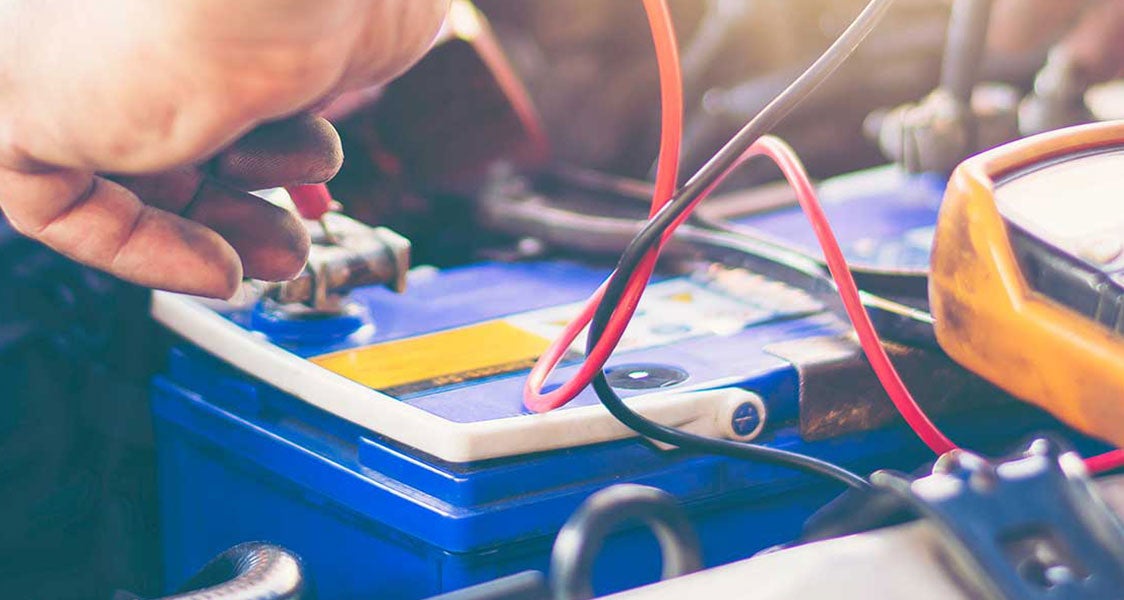
The battery in your vehicle requires regular maintenance, just like your oil. In fact, your vehicle’s battery could be in poor condition, and you do not even know it. The battery provides the power your vehicle needs to keep moving. Generally, your battery will stay charged from your alternator as you drive, but if you leave your vehicle sitting for an extended period of time or it is an old battery, this may not occur. You do not want to be out and about and be stuck and stranded due to a dead battery. There are many ways to help preserve your battery so that this does not happen to you. If you do experience battery issues or need battery replacement, see our automotive repair shop for all your battery needs.
How long does your vehicle’s battery last?
The battery in your vehicle typically lasts between 3 and 5 years. This is mainly due to the changes in weather, such as driving during the hot summer days. Your engine is producing a lot of heat, and with the weather scorching down on your battery well, this can severely affect your battery’s overall lifespan. This is also because there is fluid in your battery, and this fluid evaporates, which changes how well it can hold a charge. With all of this said, this entails that vehicle batteries typically last longer in colder climates. Regardless of your environment, taking proper precautions and maintaining your battery is essential.
Steps you can take to preserve your battery
There are several things you can do to help preserve your battery. These suggestions are the best ways to ensure your battery has a long life!
- Keep your battery fastened tightly- Vibrations can significantly reduce the longevity of your battery, so keeping it securely fastened will prevent excessive vibrations
- Keep your battery clean- a dirty battery can corrode or create mild short circuits, eventually creating a dead battery. Keeping them clean and free of corrosion will help prevent this.
- Minimize heat- Extreme heat is brutal on your battery. Prevention includes parking in the shade or a garage.
- Avoid short trips- Your vehicle’s battery can’t fully charge during short trips. Drive your automobile frequently and for long stretches of time to keep the battery charged.
- Don’t leave the lights on- Keeping your headlights or interior lights on while the engine isn’t running is hard on the battery. Always turn off all accessories before leaving the vehicle, and ensure the lights are out before you leave.
- Use your vehicle- Batteries inherently lose charge over time, a process known as “self-discharge,” regardless of the brand. Drive your vehicle so your alternator can recharge your battery.
Receiving regular battery service
Regular maintenance work is required for the engine in your vehicle. One of the many parts of an engine that might fail if not properly maintained is the vehicle battery. Keep your battery on the list of maintenance items to check, so you’re never caught with a bad or dead battery. Our automotive repair shop can help. We have expert technicians and technology to see if your vehicle needs a new battery, and we can also handle all your battery replacement needs as well!
A car cannot safely operate without a water pump. A water pump maintains the necessary car temperature for a car to be functionable through a series of operations.
How does a Water Pump work?
A water pump uses an impeller blade, also referred to as a rotor, which is the part of the pump that rotates to push the water out from the center of rotation. It moves through the engine block, which is the metal structure containing the cylinder, oil passages, cooling jacket, and crankcase which altogether transfers heat from friction to the atmosphere and engine coolant, then through the hoses and radiator, maintaining the proper temperature. For your car to submit to high temperature conditions and run smoothly and cooly, a vehicle’s engine needs coolant to flow through the radiator and engine. The water pump perpetuates that rotation to consitently maintain an operatative temperature. When there is an issue with the water pump, the temperature will not be maintained and your car can overheat.
The Dangers of Driving with a Bad Water Pump
A broken or inefficient water pump can hinder the flow of the coolant and lead to your vehicle overheating. The aftermath may include irreparable engine damage. Water pumps are not indestructible. Here are some indicators your water pump may need repairing or replacing:
- Under hood rust is visible on the surface of the pump
- Corrosion in the metal
- Audible whining noises from your front motor that becomes louder upon acceleration
- Steam from the front of the motor while moving or when braking
When Your Car Overheats
In short, overheating will destroy your car’s engine. No engine means no running car, hence why the coolant system must be maintained on all fronts. Every component of the system must be running properly.
As discussed, a failed water pump can hinder the efficiency of your vehicle’s coolant system. Other possibilities include the failings of the radiator fan motor, radiator fan relays, a failed thermostat, and low coolant.
Low coolant would be one of the most common reasons a car overheats. Coolant keeps your engine’s temperature cool. Possible reasons for low coolant may include an old hose or gasket. Another common reason a car may overheat includes a failed thermostat which opens and closes based on the engine’s temperature. If it is stuck closed, the engine will not get the flow of coolant. Similarly, if the radiator fan relay fails or the motor to the fan, the transfer of airflow is hindered and the radiator is not cooled.
Warning Signs of a Failing Starter
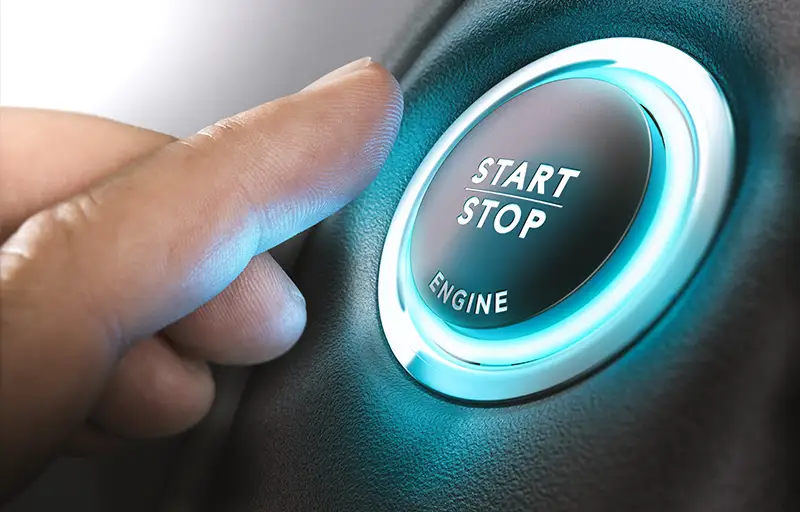
A vehicle’s starter or starter motor is the electrical source of power that turns over to crank the engine and begin ignition. The starter works with the battery and other electrical components such as wiring to start the vehicle. The battery is the number one voltage or power source in a vehicle and consists of Direct Current (DC). The battery supplies the vehicle with 12 volts of power and the starter relies on this energy to initiate. When a vehicle is turned over, the starter motor must have a high electric current and sufficient power to start, or else the starting process will fail. The starter is made up of two different parts: the crankshaft and the solenoid. The two components work together with the support of the battery during the cranking process.
What are the signs a Starter has failed?
When a starter has failed, the engine will not have the power that it needs to run. Often a vehicle will indicate that its energy supply from the starter is insufficient through various signals. Some of the most common signals of a bad starter include:
- The engine not turning over or cranking
- Clicking, grinding, or whirring noises
- Irregular issues when starting the vehicle
- The starter stays on after the vehicle is started
- Smoke comes from the vehicle
- The starter engages but the motor fails to start
- The battery is dead
Starter issues can present themselves if proper maintenance is not a priority. Often, the reasons for a failing starter are simple and can be avoided when the vehicle is inspected during maintenance appointments regularly. A technician typically monitors the components of a vehicle during scheduled maintenance service and lack of routine can inhibit the vehicle owner from knowing what is going on under the hood. When a driver is aware of their vehicle’s parts and the functionality of the components therein, then it permits the opportunity to catch and alleviate minor issues before they turn into costly repairs down the line.
What Causes Starter Issues?
Starter issues can be caused by lack of maintenance, but they can also be the result of normal wear and tear. All vehicle components aren’t designed to live forever and will fail and need to be replaced eventually. The most common reasons that a starter begins to have issues and needs to be replaced are as follows:
- There are loose wires to and from the starter
- The started connections are dirty and corroded
- The battery is corroded
- The parts of the starter system are damaged or worn
- There is an oil leak
- The relay or fuses are bad
A bad starter can be the result of overlooking its components over time. Corrosion is normal but should be monitored and as soon as it is identified on any of the vehicle parts even when it is minimal, it should be rectified. Oil leaks happen and usually start small but with a proper maintenance schedule can be caught early. Worn-out or damaged parts are a part of normal wear and tear. Your vehicle is being started every day to get you to and from where you need to go. The parts that make up the starter system like the wiring can only las so long before attention is needed. It is highly recommended to place your vehicle on a maintenance schedule to remain proactive when unnoticeable issues occur under the hood of a vehicle.
Connect with us


- August 2024
- July 2024
- June 2024
- May 2024
- April 2024
- March 2024
- February 2024
- January 2024
- December 2023
- November 2023
- October 2023
- September 2023
- August 2023
- July 2023
- June 2023
- May 2023
- April 2023
- March 2023
- February 2023
- January 2023
- December 2022
- November 2022
- October 2022
- September 2022
- August 2022
- July 2022
- June 2022
- May 2022
- April 2022
- March 2022
- February 2022
- January 2022
- December 2021
- November 2021
- October 2021
- September 2021
- August 2021
- July 2021
- June 2021
- May 2021
- April 2021
- March 2021
- February 2021
- January 2021
- December 2020
- November 2020
- October 2020
- September 2020
- August 2020
- July 2020
- June 2020
- May 2020
- April 2020
- March 2020
- February 2020
- January 2020
- December 2019
- November 2019
- October 2019