

Unveiling Advanced Techniques in Auto Repair
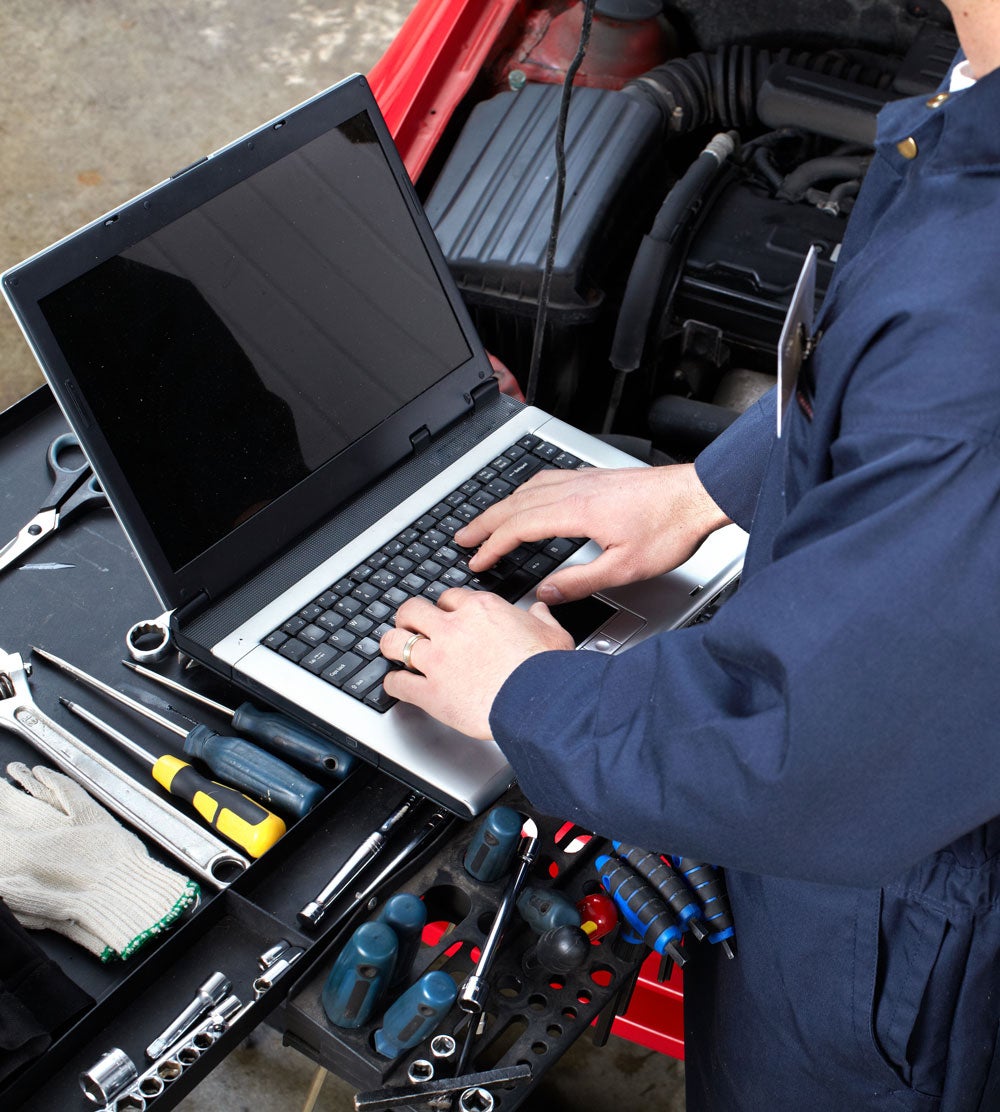
As vehicles become more complex and technologically advanced, auto repair shops are constantly evolving to keep pace with the industry. In this blog, we will delve into the realm of advanced techniques in auto repair, shedding light on the intricate processes involved in maintaining and repairing modern vehicles.
The Art of Diagnostics: Precision in Identifying Vehicle Issues
Effective diagnostics is the foundation of successful auto repair. Modern vehicles are equipped with sophisticated onboard computer systems that generate error codes and provide valuable insights into potential problems. Skilled technicians leverage diagnostic tools and software to interpret these codes, enabling them to pinpoint the exact source of a vehicle’s issues. From analyzing sensor data to performing live data streaming, these advanced techniques allow for precise and efficient troubleshooting.
Advanced Engine Performance: Optimizing Power and Efficiency
The engine is the heart of any vehicle, and advancements in technology have revolutionized the way engines operate. Auto repair shops now employ advanced techniques to optimize engine performance and improve fuel efficiency. From fine-tuning the fuel injection system to recalibrating the engine control unit, technicians can extract maximum power while ensuring optimal fuel consumption. These advanced adjustments require a deep understanding of engine dynamics and the ability to navigate intricate computer systems.
Cutting-Edge Transmission Repairs: Tackling Complex Gearbox Issues
Transmission repairs have evolved significantly over the years, with the introduction of advanced transmission systems such as dual-clutch and continuously variable transmissions (CVT). Repairing these intricate components demands specialized knowledge and expertise. Technicians trained in advanced transmission repairs can diagnose and resolve issues related to shifting delays, gear slippage, or abnormal noises. Utilizing advanced tools and techniques, they can disassemble, repair, and reassemble complex transmission systems to restore smooth and efficient vehicle operation.
High-Tech Safety Systems: Calibrating and Servicing Advanced Driver-Assistance Systems (ADAS)
Modern vehicles are equipped with sophisticated safety systems, including advanced driver-assistance systems (ADAS). These systems utilize sensors, cameras, and radar technology to enhance safety on the road. However, when these systems require maintenance or repairs, specialized knowledge and equipment are necessary. Auto repair shops trained in ADAS can calibrate and service these systems, ensuring they function accurately and reliably. From adaptive cruise control to lane-keeping assist, technicians can diagnose and rectify issues with precision.
As vehicles become more advanced, auto repair shops must stay ahead of the curve to effectively service and repair modern vehicles. From leveraging advanced diagnostics to optimizing engine performance, tackling complex transmission repairs, and servicing high-tech safety systems, these advanced techniques ensure that vehicles receive the specialized care they need. By embracing these advancements, auto repair shops can provide reliable and efficient services to keep vehicles running smoothly on today’s roads.
Remember, when it comes to advanced auto repairs, it’s essential to rely on the expertise of skilled technicians who are equipped with the knowledge, experience, and tools needed to handle intricate repairs.
Understanding the Suspension System in Your Vehicle
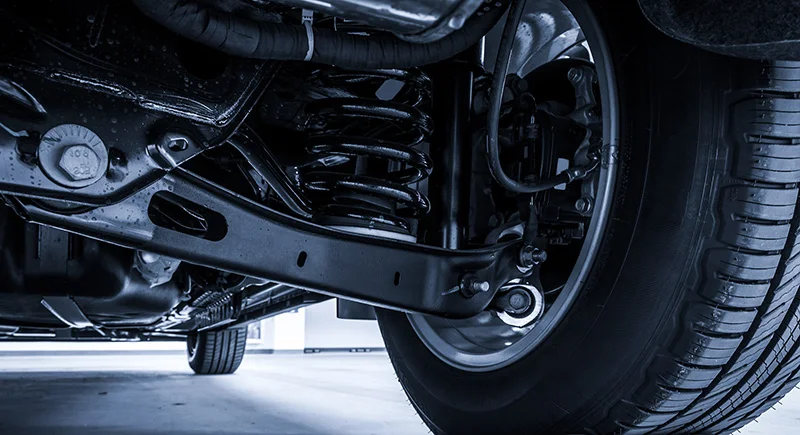
The suspension system plays a crucial role in your vehicle’s overall handling and ride comfort. It is responsible for absorbing shocks, maintaining tire contact with the road, and providing stability during turns. By understanding the key components of the suspension system, you can better appreciate the importance of regular maintenance and timely repairs.
Identifying Common Suspension System Issues
Suspension system issues can manifest in various ways, impacting your vehicle’s handling and overall driving experience. Some common problems include uneven tire wear, excessive bouncing or swaying, a bumpy ride, or a drifting sensation while driving. It’s essential to identify these issues early on and address them promptly to prevent further damage and ensure optimal performance.
- Uneven Tire Wear: Suspension system issues can cause uneven tire wear, where certain areas of the tires wear out faster than others. This can indicate problems with alignment, worn-out suspension components, or improper tire inflation.
- Excessive Bouncing or Swaying: If you notice excessive bouncing or swaying of your vehicle, especially when going over bumps or during cornering, it could be a sign of worn shocks or struts. These components are responsible for absorbing shocks and maintaining stability.
- Bumpy Ride: A rough and uncomfortable ride, with the feeling of every bump and pothole on the road, can be attributed to worn-out suspension components. Over time, the shocks, struts, or springs may lose their ability to provide a smooth and controlled ride.
- Drifting Sensation: When driving, if you experience a drifting sensation where the vehicle pulls to one side or feels difficult to keep in a straight line, it may indicate alignment issues or problems with suspension geometry. These issues should be addressed promptly to ensure proper vehicle control.
By recognizing these common suspension system problems, such as uneven tire wear, excessive bouncing or swaying, a bumpy ride, or a drifting sensation, vehicle owners can be proactive in identifying and resolving these issues. Addressing suspension system problems promptly not only improves the overall driving experience but also helps prevent further damage and ensures optimal performance of the vehicle.
Addressing Worn Shocks and Struts
Worn shocks and struts are among the primary culprits behind suspension system problems. Over time, these components can lose their ability to absorb shocks effectively, leading to a rough and uncomfortable ride. Regular inspections and timely replacement of worn shocks and struts are crucial for maintaining a smooth and controlled driving experience.
Balancing Wheel Alignment and Tire Issues
Proper wheel alignment and tire condition are vital for a well-functioning suspension system. Misaligned wheels can cause uneven tire wear and affect steering responsiveness, while worn or improperly inflated tires can compromise overall handling and safety. Regular wheel alignments and tire maintenance are essential for maximizing the lifespan of your suspension system components.
Upgrading Suspension Components for Enhanced Performance
If you’re looking to enhance your vehicle’s handling and performance, upgrading suspension components can make a significant difference. High-performance shocks, struts, and springs can provide improved stability, reduced body roll, and enhanced cornering capabilities. However, it’s crucial to consult with an experienced auto repair shop to ensure the compatibility and proper installation of these aftermarket components.
By understanding the importance of the suspension system, identifying common issues, addressing worn shocks and struts, maintaining proper wheel alignment and tire condition, and exploring performance upgrades, you can optimize your vehicle’s suspension system for improved handling and an enjoyable driving experience. Remember to consult with a trusted auto repair shop for professional diagnosis, repairs, and expert guidance on suspension system maintenance and upgrades.
Keeping Your Vehicle Running Smoothly: The Importance of Auto Tune-Ups and Repair Indicators

Regular auto tune-ups are crucial for maintaining the performance and longevity of your vehicle. In this blog post, we will delve into the significance of auto tune-ups, common repair indicators, and why seeking professional auto repair technicians is essential for effective maintenance and repairs.
The Importance of Auto Tune-Ups
Auto tune-ups involve a comprehensive inspection and maintenance of various components in your vehicle. This includes checking and replacing spark plugs, inspecting the ignition system, replacing filters, evaluating the fuel system, and ensuring proper lubrication. By performing these routine tune-ups, you optimize your vehicle’s fuel efficiency, prevent potential breakdowns, and extend the life of your engine. Regular tune-ups also allow technicians to identify any underlying issues early on and address them before they escalate into more significant problems.
Common Repair Indicators
There are several indicators that your vehicle may require repair or maintenance. Unusual noises, such as squealing belts, grinding brakes, or knocking sounds from the engine, can signify potential issues. Difficulty starting the vehicle, poor acceleration, decreased fuel efficiency, or a rough idling engine may indicate the need for tune-ups or repairs. Warning lights on the dashboard, including the check engine light, should never be ignored. Any significant change in vehicle performance, such as a decrease in power or increased exhaust emissions, may also be an indication of underlying problems.
The Importance of Professional Auto Repair Technicians
When it comes to auto tune-ups and repairs, relying on professional auto repair technicians is crucial. Trained experts possess the knowledge, experience, and specialized tools required to diagnose and address a wide range of automotive issues accurately. They can conduct thorough inspections, perform necessary repairs, and provide valuable recommendations for preventive maintenance. Our professional technicians also have access to up-to-date diagnostic equipment, enabling them to identify hidden problems that may not be immediately apparent. By entrusting your vehicle to our skilled technicians, you can be confident in the quality of the repairs and maintenance performed.
Preventive Maintenance for Long-Term Vehicle Health
In addition to tune-ups and repairs, preventive maintenance is essential for the long-term health of your vehicle. This includes regular oil changes, tire rotations, fluid checks, and brake inspections. Following the manufacturer’s recommended maintenance schedule ensures that your vehicle operates at peak performance and minimizes the risk of unexpected breakdowns. Our professional auto repair technicians can guide you in creating a personalized maintenance plan tailored to your vehicle’s specific needs.
Conclusion
Regular auto tune-ups and repairs are vital for ensuring the optimal performance and reliability of your vehicle. By recognizing common repair indicators and seeking the expertise of professional auto repair technicians, you can address issues promptly and prevent more significant problems down the road. By prioritizing tune-ups and maintenance, you’ll keep your vehicle running smoothly and enjoy many miles of trouble-free driving.
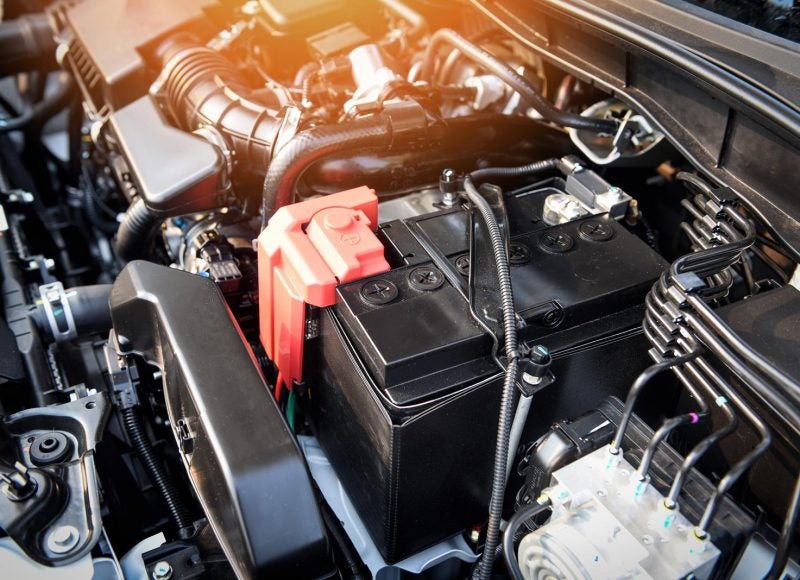
A reliable and well-functioning auto battery is crucial for powering the electrical systems in your vehicle. However, battery issues can arise over time, affecting your vehicle’s performance and leaving you stranded. In this blog post, we will explore common auto battery problems, signs of battery wear and failure, and the importance of seeking professional auto repair technicians for battery repair.
Understanding Auto Battery Issues
Auto batteries can experience various issues, including age-related degradation, corroded terminals, and sulfation. Over time, batteries can lose their ability to hold a charge, leading to difficulties starting the vehicle or frequent battery drain. Corroded terminals can interfere with proper electrical connections, while sulfation occurs when lead sulfate crystals build up on the battery plates, reducing its effectiveness. Understanding these issues can help you identify and address battery problems promptly.
Signs of Auto Battery Wear and Failure
There are several indicators that your auto battery may require repair or replacement. Dim headlights, a slow or hesitant engine crank, or a clicking sound when starting the vehicle are common signs of a weak or failing battery. Additionally, frequent jump-starts, a sudden loss of battery power, or an illuminated battery warning light on the dashboard should not be ignored. If you notice a strong sulfur or rotten egg smell near the battery, it could indicate a leak or internal damage. Recognizing these warning signs can save you from unexpected breakdowns and potential auto repair expenses.
The Importance of Seeking Professional Auto Repair Technicians
When facing auto battery issues, it is essential to consult professional auto repair technicians. These experts have the knowledge and tools required to accurately diagnose battery problems. They can perform battery tests to assess its overall health and determine if repair or replacement is necessary. Professional technicians can also inspect and clean corroded terminals, ensuring proper electrical connections and prolonging battery life. By relying on their expertise, you can be confident in the quality of repairs and the optimal performance of your vehicle’s battery.
Preventive Measures for Battery Health
To minimize the likelihood of auto battery issues, regular maintenance is crucial. Keep the battery terminals clean and free from corrosion by periodically cleaning them with a mixture of baking soda and water. Avoid leaving lights or electrical accessories on when the vehicle is turned off, as this can drain the battery. Regularly check the battery’s voltage and consider having it tested during routine auto maintenance to identify any potential issues early on.
Conclusion
Your auto battery is the heart of your vehicle’s electrical system, and addressing battery issues promptly is essential. By recognizing the signs of battery wear and seeking professional auto repair technicians, you can ensure reliable performance and avoid unexpected breakdowns. With regular maintenance and expert repairs, your auto battery will keep your vehicle powered up and ready for the road ahead.
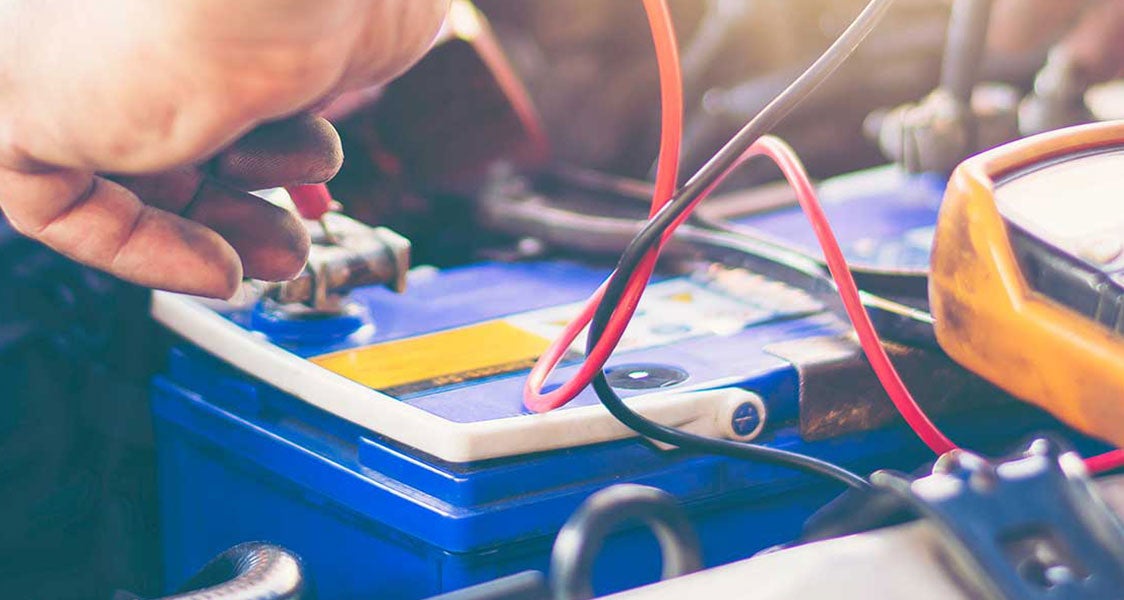
As a vehicle owner, you rely on your vehicle’s ignition system to start and keep your engine running. If you’re having problems with your vehicle’s ignition system, it can be frustrating and even prevent you from getting to where you need to go. Fortunately, troubleshooting your vehicle’s ignition system isn’t as complicated as it may seem. This comprehensive guide will walk you through the steps to troubleshoot your vehicle’s ignition system.
Understanding Your Vehicle’s Ignition System
Your vehicle’s ignition system is responsible for starting your engine and keeping it running. It’s made up of several components, including the battery, starter, ignition switch, distributor, and spark plugs. Turning the key in your ignition sends a signal to the starter to crank the engine. The starter then turns the engine over, and the ignition system provides the spark that ignites the fuel and air mixture in the engine’s cylinders.
Common Ignition System Problems
Several common ignition system problems can cause your vehicle to fail to start or run poorly. One of the most common is a dead battery. If your battery dies, your vehicle won’t have enough power to start. Other common problems include a faulty starter, a bad ignition switch, a faulty distributor, and worn spark plugs.
How to Troubleshoot Your Ignition System
If you’re having problems with your vehicle’s ignition system, there are several steps you can take to troubleshoot the problem.
- Start by checking your battery to ensure it is fully charged and has enough power to start your vehicle. You can use a multimeter to test your battery’s voltage and ensure it’s within the recommended range.
- Next, check your vehicle’s starter to make sure it’s working properly. If your starter is making a clicking sound or grinding noise, it could be a sign that it’s failing. You can also test your starter using a multimeter to ensure it’s getting enough voltage to function.
- If your battery and starter are working properly, the problem could be a faulty ignition switch or a bad distributor. You can test your ignition switch by turning your key to the “on” position and checking to see if your dashboard lights come on. If your dashboard lights don’t come on, it could be a sign that your ignition switch is faulty.
- Finally, check your spark plugs to ensure they’re in good condition and not worn out. You can use a spark plug tester to check for sparks and replace any spark plugs that are worn or damaged.
Preventing Ignition System Problems
Preventing ignition system problems is key to keeping your vehicle running smoothly. Regular maintenance is essential, including checking your battery’s voltage, replacing worn spark plugs, and checking your ignition system for signs of wear and tear. It’s also important to have your ignition system inspected by a professional mechanic on a regular basis to catch any problems before they become more serious.
By following these tips, you can troubleshoot your vehicle’s ignition system and prevent problems from occurring in the future. If you’re still having trouble with your ignition system, don’t hesitate to contact a professional auto repair shop for help. With their expertise and experience, they can help diagnose and fix any ignition system problems quickly and efficiently.
Importance of Preventative Maintenance
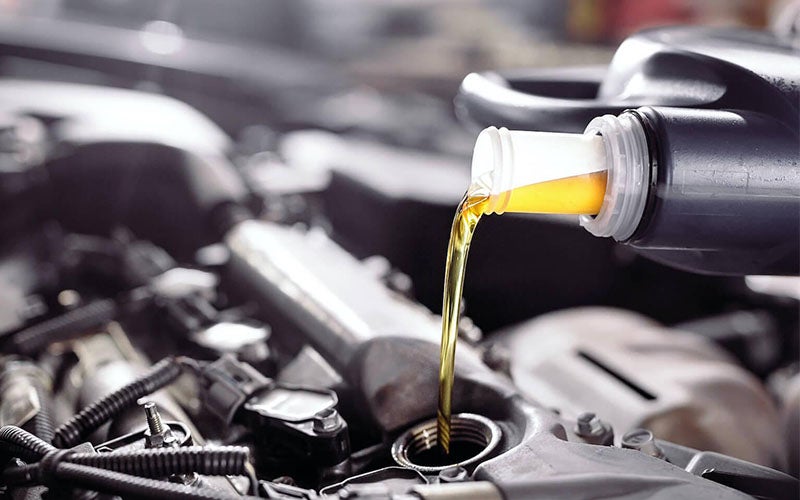
Proper maintenance is key to ensuring your vehicle’s long-term health and performance. By following a few simple preventative maintenance tips, you can save yourself from unexpected breakdowns and expensive repairs. Regular upkeep enhances your vehicle’s longevity and contributes to a safer and more efficient driving experience. Let’s explore some essential maintenance tasks that every vehicle owner should prioritize.
Regular Fluid Checks and Changes
One of the most crucial aspects of preventative maintenance is monitoring and changing fluids in your vehicle. This includes engine oil, coolant, transmission fluid, and brake fluid. Regularly checking these fluids and changing them at the recommended intervals helps to keep your vehicle’s vital systems operating smoothly. Low or contaminated fluids can lead to engine overheating, poor shifting, brake failure, and other serious issues. Consult your vehicle’s manual or seek professional assistance to ensure you use the correct fluids and adhere to the manufacturer’s recommendations.
Tire Care and Rotation
Proper tire maintenance is essential for both safety and fuel efficiency. To ensure your tires stay in optimal condition, follow these key tips:
- Regularly check tire pressure: Use a reliable tire pressure gauge to check the pressure of each tire, including the spare. Refer to the vehicle’s manual or the sticker inside the driver’s door for the recommended pressure. Underinflated or overinflated tires can affect handling, fuel economy, and tire wear.
- Inspect tire tread depth: Adequate tire tread depth is crucial for traction and safe driving, especially in wet or slippery conditions. Use a tread depth gauge or the penny test to check the depth. Consider replacing the tires if the tread depth is close to or below the recommended limit.
- Rotate your tires: Rotating your vehicle’s tires at regular intervals helps promote even wear. The front and rear tires experience different levels of stress and wear, so rotating them helps distribute the workload evenly. Consult your vehicle’s manual or an auto repair professional to determine the recommended rotation pattern and interval.
- Wheel alignment: Periodically have your wheels aligned to ensure proper tire wear and handling. Misaligned wheels can cause uneven tire wear, vibration, and reduced fuel efficiency. If you notice your vehicle pulling to one side or uneven tire wear, it may be time for wheel alignment.
By following these tire care tips and incorporating them into your preventative maintenance routine, you can maximize the lifespan of your tires, improve fuel efficiency, and enhance overall safety on the road.
Battery Inspection and Cleaning
The vehicle’s battery is its power source, and a weak or dead battery can leave you stranded. To avoid unexpected battery failure, periodically inspect the battery terminals for corrosion and ensure they are clean and tightly connected. Clean any buildup using a battery cleaning brush or a mixture of baking soda and water. Consider regularly testing your battery’s voltage to assess its health and replace it if necessary. If you’re unsure about battery maintenance, consult an auto repair professional to assist you with testing, cleaning, and replacement.
Regular Inspection of Belts and Hoses
The belts and hoses in your vehicle play a critical role in the proper functioning of various systems, including the engine, cooling system, and air conditioning. Over time, these components can deteriorate and develop cracks, leaks, or become loose. Regularly inspect the belts for signs of wear, such as fraying or cracking, and ensure they are properly tensioned. Similarly, check the hoses for leaks, bulges, or soft spots. Replace any worn or damaged belts and hoses promptly to prevent costly engine damage or system failures.
Preventative maintenance is the key to keeping your vehicle running smoothly and avoiding unexpected breakdowns. By following these simple tips and scheduling regular check-ups with an auto repair professional, you can ensure your vehicle’s longevity, safety, and optimal performance. Remember, investing time and effort in preventative maintenance now will save you from costly repairs and keep you on the road with peace of mind.
Test Driving Tips- What to Look For

Whether it’s the first vehicle purchase or the seventh, a new vehicle or a used vehicle, completing a thorough test drive can save the vehicle owner both money and time. Buying a vehicle comes with many challenges, including what dealership to purchase from, is a warranty included, how many miles are on the vehicle, and whether it is appealing. These are the daunting questions that buyers often ask themselves when in the process of purchase.
One major element that a lot of people don’t take seriously enough during their vehicle buying experience is a test drive. Test driving a vehicle consists of a thorough, hands-on inspection of the vehicle in use and while parked. Test drives can unravel any hidden issues that the vehicle may not be able to express unless driven. For this reason, auto repair professionals highly recommend conducting a thorough examination of the outward appearance as well as the drivability of the vehicle.
What can a test drive and research tell you about your prospective vehicle?
A test drive can reveal any underlying issues that may be present in your future vehicle. There are several things that should be attended to and acquired with the dealership, and the vehicle and its parts that everything is in working order. The first reference to a vehicle’s health should be guided with the vehicle’s history report. The history report will express if maintenance was performed regularly and on-time, if a previous accident occurred that could alter the integrity of the vehicle, and the value of the vehicle given the year, make, and model. All these elements should be considered preferably before the test drive begins, but certainly before the point of purchase. Professionals recommend looking over any paperwork or documentation related to the vehicle to ensure the vehicle will meet your needs and budget.
Additional ways to evaluate your future vehicle
Many other ways to thoroughly evaluate a prospective vehicle for drivability and dependability is through a visual inspection as well. A visual inspection can eliminate the chance of purchasing a vehicle that is due for maintenance and repairs not long after the transaction is complete. Professionals recommend examining the following components for possible wear and tear:
• Worn or overused tires
• Jammed windows or poor performing auto electrical buttons.
• Body paint damage including, worn paint, rust, scratches, minor dents etc.
• Squeaking doors when opened or closed.
• Interior wear including, seat damage, worn print on dashboard controls, or a poor performing seat belt.
How to complete a Test Drive?
A thorough test drive starts in the driver’s seat and ends with familiarizing oneself with any issues that may be going on under the hood. From the moment a car buyer sits in the driver’s seat, they should begin evaluating the drivability of the vehicle by examining the seats, checking inside and out of the vehicle for any blemishes that stick out, driving the vehicle at fast and slow speeds, and checking the brakes. The driver should listen for a loud idling engine, complications when shifting gears, issues with the electrical components of the vehicle, the smoothness of the ride, and any other issues that may come about during the drive. It is essential that the vehicle is evaluated thoroughly for anything that can result in complications with drivability in the future. Whether a vehicle is new or used, these evaluation steps apply. A vehicle is notorious for losing value the moment it is driven from the dealership lot, so it is pivotal the vehicle buyers ask the right questions, research the prospective vehicle, read over any documentation in connection with the vehicle, and perform a thorough test drive. These steps are crucial in eliminating the opportunity of purchasing a vehicle that will cost you more time and money to have then serve its purpose of providing dependable transportation.

Your vehicle’s fuel system is like the heart of your vehicle, responsible for delivering fuel to the engine to create the power needed to get you where you need to go. Just like your heart, your fuel system requires regular maintenance and care to keep it running at peak performance. In this article, we’ll take a look at fuel system repair from a different perspective, exploring some unconventional ways to keep your fuel system healthy and running smoothly.
Ways to Diagnose Fuel System Issues
Most drivers know the common signs of fuel system issues, such as reduced fuel efficiency, hard starting, and strange noises. But did you know that there are some unusual ways to diagnose fuel system issues? Here are a few:
- Take a Whiff: If you smell gasoline while driving or when you start your vehicle, it could be a sign that your fuel system is leaking. While it’s not always the case, a gasoline odor can indicate a fuel line or fuel tank leak.
- Check Your Mileage: If you’re getting significantly fewer miles per gallon than you used to, it could be a sign of fuel system issues. While many factors can impact fuel efficiency, a sudden drop in gas mileage can be a red flag that something is amiss.
- Listen Up: Your vehicle’s engine should run smoothly, without any knocking or pinging sounds. If you hear unusual sounds coming from your engine, it could be a sign of fuel system problems. For example, a hissing noise could indicate a fuel line leak, while a knocking sound could mean your fuel injectors need cleaning or replacement.
Thinking Outside the Box for Fuel System Prevention
Preventing fuel system issues isn’t just about regular maintenance and inspections. Here are a few outside-the-box tips to keep your fuel system in top condition:
- Use Quality Fuel: The quality of fuel you use can have a significant impact on your fuel system’s health. Choosing high-quality fuel from a reputable supplier can help keep your fuel system clean and free of contaminants.
- Go Green: Consider using alternative fuels, such as biodiesel or ethanol blends. These fuels can help keep your fuel system clean while reducing your vehicle’s carbon footprint.
- Keep It Clean: A clean fuel system is a happy fuel system. Regular fuel injector cleaning can help prevent buildup and keep your fuel system running smoothly.
- Upgrade Your Air Filter: A dirty air filter can restrict airflow to your engine, which can put extra strain on your fuel system. Upgrading to a high-performance air filter can help your engine breathe easier and reduce the risk of fuel system problems.
Fuel system repair is an essential component of vehicle maintenance, but taking a unique perspective can help you diagnose and prevent issues before they become major problems. By thinking outside the box and using unconventional methods to keep your fuel system healthy, you can enjoy a smooth and efficient driving experience for years to come.
When Do I Need New Tires?

If you’re wondering, “When do I need new tires?” we have some answers to your questions and concerns. Perhaps you’ve had a flat or experienced another specific tire issue, and you’re thinking it may be time for new tires, but you’re not sure. Maybe you ran over a nail. Do you need a tire repair or to replace your tire? What about a wheel alignment? You’ve seen advertisements and heard commercials for wheel alignments, but when is it truly necessary? As a non-mechanic, how do you know? Well, we can point you in the right direction, right now, and give you honest advice for tire care when you come to our shop.
Common Trick – The Penny Test
Modern tires sold in the U.S. have “tread wear bars,” which are small raised rubber bars in the grooves of your tires. When you look at your tire tread, you’ll see these bars running between the tread. If you see these bars are flush with your tire tread, it’s time for new tires. Another easy way to tell if you need new tires is the penny test. Simply take a penny and place Lincoln’s head in one of the grooves of your tire tread. If you can see all of Lincoln’s head, then head to a tire shop for new tires. While you’re inspecting your tires, check a few different spots for any irregular tread wear. This could indicate you need a wheel alignment as well as new tires.
How a Wheel Alignment Can Help Prolong the Life of Your New Tires
Despite the amount of attention you give your tires, there are still outside forces that will take a toll on your tire’s condition. If you consistently drive in crude weather conditions or you’ve had your tires for many years now, the elasticity loses shape and crack start forming along the surface. Remember, if the cracks are light then you don’t have anything to worry about. Now if you notice a lot of splintering on your tire, you should act fast in taking your tires to get looked at by a professional sooner rather than later.
Tire Alignment
Regardless of the amount of time and care you put into your tires, there are still other elements out of your control that effect your tires. If you live in an area with jarring weather conditions or your tires are starting to age, the elasticity begins to get loose and cracks appear along the outside. Small cracks shouldn’t cause for any worry, however if you begin to see a reoccurrence of splintering you are definitely going to want to take your car into a shop to get your tires further examined.
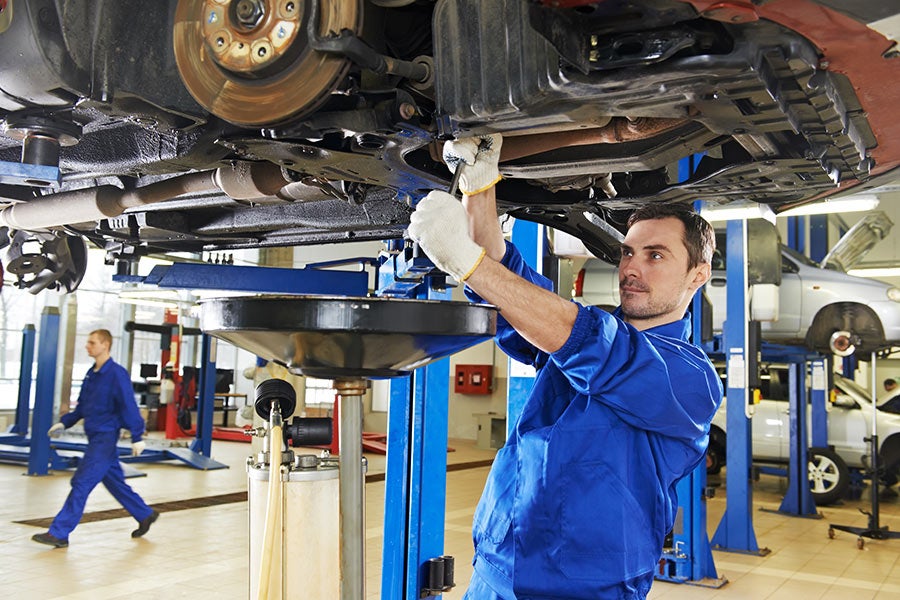
As an essential component of your vehicle’s drivetrain, the differential is responsible for allowing the wheels to rotate at different speeds, ensuring smooth turns and overall safe operation. However, over time, the differential can experience wear and tear, leading to a variety of issues that can affect your vehicle’s performance and safety. Regular maintenance and inspections of the differential can help prevent potential issues and ensure its properly functioning. It is recommended to follow the manufacturer’s recommended maintenance schedule and have a professional mechanic check the differential during routine inspections.
What Does the Differential Do?
The differential is responsible for transferring power from the engine to the wheels, allowing your vehicle to move forward. The differential system is designed to enable the wheels to rotate at different speeds depending on the angle of the turn. This helps prevent excessive wear and tear on the tires and other drivetrain components, ensuring your vehicle’s longevity and performance. Some additional functions of the differential system include:
- The differential system distributes torque evenly to the wheels, allowing for optimal traction and stability on various road surfaces, such as ice, mud, or gravel.
- The differential helps to reduce tire slippage by distributing power to the wheels with the most traction, preventing skids and spinouts.
- By enabling the wheels to rotate at different speeds, the differential system reduces stress on the tires, helping to prolong their lifespan and save on replacement costs.
- The differential system is also essential for vehicles with all-wheel or four-wheel drive, as it allows for power to be distributed to all wheels, ensuring better off-road capabilities and traction in adverse weather conditions.
Signs You May Have Differential Issues
One of the most common signs of differential issues is a whining noise coming from your vehicle’s rear end. This sound normally is most noticeable when turning, as the differential gears wear unevenly over time. If you notice any unusual vibrations or difficulty steering, it may indicate a problem with your differential system. A clunking sound when shifting gears may also be a sign of differential issues, as it may indicate worn-out bearings or gears.
Benefits of Professional Differential Repair
If you suspect an issue with your vehicle’s differential system, it is essential to seek professional assistance. Our professional auto repair shop can diagnose and repair differential issues using state-of-the-art equipment and diagnostic tools to ensure accurate and reliable service. A professional differential repair service can provide several benefits, including improved vehicle performance, increased safety, and better fuel economy. A well-functioning differential system can help your vehicle accelerate more smoothly, steer more precisely, and reduce wear and tear on the tires and other drivetrain components. Additionally, a properly functioning differential can help you save money on fuel costs by improving your vehicle’s overall efficiency.
Connect with us


- August 2024
- July 2024
- June 2024
- May 2024
- April 2024
- March 2024
- February 2024
- January 2024
- December 2023
- November 2023
- October 2023
- September 2023
- August 2023
- July 2023
- June 2023
- May 2023
- April 2023
- March 2023
- February 2023
- January 2023
- December 2022
- November 2022
- October 2022
- September 2022
- August 2022
- July 2022
- June 2022
- May 2022
- April 2022
- March 2022
- February 2022
- January 2022
- December 2021
- November 2021
- October 2021
- September 2021
- August 2021
- July 2021
- June 2021
- May 2021
- April 2021
- March 2021
- February 2021
- January 2021
- December 2020
- November 2020
- October 2020
- September 2020
- August 2020
- July 2020
- June 2020
- May 2020
- April 2020
- March 2020
- February 2020
- January 2020
- December 2019
- November 2019
- October 2019