

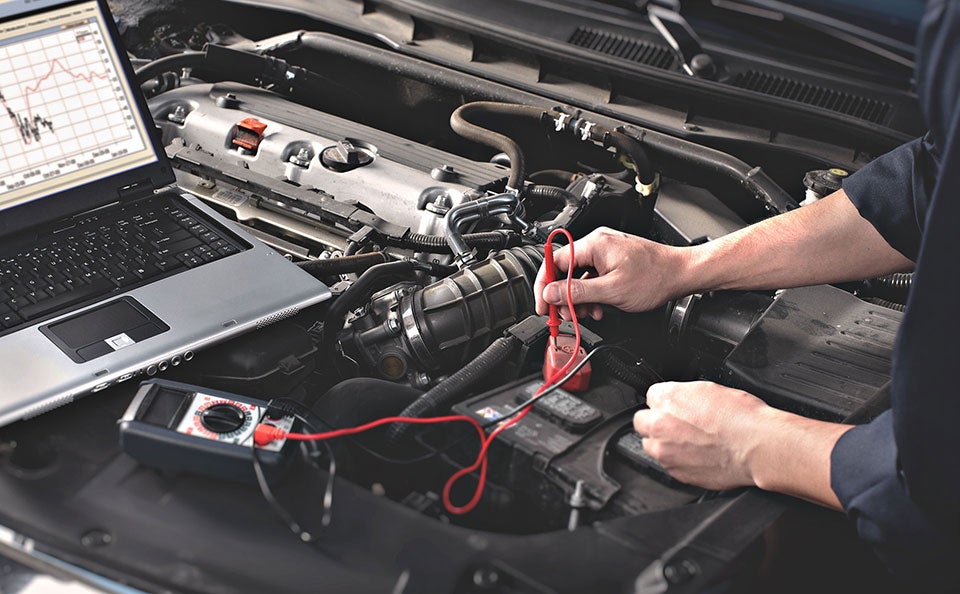
The battery, often overlooked but crucial, functions as the heart of your vehicle’s electrical system. Turning the key initiates a chemical reaction between lead plates and electrolyte, generating the electrical energy needed to start the engine. Over time, various factors like extreme temperatures or prolonged use can impact a battery’s efficiency. Regular inspections and preventive measures are vital to extending its lifespan.
Understanding the basic anatomy of a battery is the initial step. Most vehicles rely on lead-acid batteries, comprising cells with lead plates submerged in an electrolyte solution. When you turn the key, a chemical reaction between these lead plates and the electrolyte generates electrical energy, sparking the engine’s ignition.
Jump Starts and Troubleshooting
Dealing with a dead battery is a common woe for vehicle owners. While knowing how to jump-start your vehicle is valuable, it’s equally crucial to recognize when it’s merely a temporary solution. Frequent jump-starts might signal an underlying issue, necessitating a professional inspection.
A jump start provides a temporary charge to the battery, allowing you to start your vehicle. However, it doesn’t address the root cause. If your battery frequently requires a jump, it could be due to a failing alternator, a parasitic drain, or a defective component in the electrical system. Professional diagnostics can pinpoint the problem, offering a long-term solution.
Knowing When to Replace
All components, including batteries, have a finite lifespan. Recognizing when to replace your battery can save you from unexpected breakdowns. If your vehicle struggles to start, even after a jump, or if you notice a bloated or leaking battery, it’s time for a replacement. Regular battery checks during routine maintenance can help identify potential issues before they become emergencies.
Factors such as climate, driving habits, and vehicle type influence a battery’s lifespan. In harsh climates, batteries tend to degrade faster. If your vehicle is more than three years old, having the battery professionally tested during regular maintenance is wise. This proactive approach helps you replace the battery before it fails, preventing inconvenient situations.
Professional Battery Services
While some battery-related issues can be DIY, seeking professional help is often the safest and most efficient solution. Auto shops offer battery diagnostics to accurately assess its health. They can identify issues, provide necessary replacements, and ensure your vehicle’s electrical system runs smoothly.
A professional inspection involves testing the battery’s voltage, inspecting for physical damage, and checking the charging system. If needed, they can recommend and install a suitable replacement battery, ensuring compatibility with your vehicle’s specifications.
A well-maintained battery is crucial for your vehicle’s reliability. Regular checks, timely replacements, and professional services contribute to the longevity of your battery, keeping your vehicle running smoothly.

In the intricate dance of automotive maintenance, one often overlooked performer is the humble windshield wiper and its trusty sidekick, the windshield wiper fluid. While their roles may seem minor compared to the engine or brakes, these components play a crucial role in ensuring your safety on the road. In this guide, we’ll delve into the importance of windshield wiper fluid maintenance, the significance of timely windshield wiper replacement, and the signs that should prompt a visit to your trusted auto repair shop.
The Purpose of Windshield Wiper Fluid: More Than Just a Spray
Windshield wiper fluid, often dismissed as a convenience, is a vital component of your vehicle’s safety system. Its primary purpose is to enhance visibility by effectively cleaning the windshield. Unlike water, windshield wiper fluid contains cleaning agents and additives that break down grime, bugs, and other debris, ensuring a clear and unobstructed view for the driver.
Proper windshield wiper fluid maintenance involves more than simply topping off the reservoir. Regularly checking and replenishing the fluid is essential, especially during seasons when roads are salted or dusty. The right windshield wiper fluid not only improves visibility but also helps prevent the buildup of residue that could compromise the effectiveness of your wipers.
Windshield Wiper Replacement: When to Bid Adieu to Old Blades
Equally critical to maintaining a clear field of vision is the condition of your windshield wiper blades. Over time, wiper blades wear out due to exposure to the elements, including sunlight, rain, and debris. The effectiveness of the blades diminishes, leading to streaks, smears, and reduced visibility.
Knowing when to replace your windshield wiper blades is crucial. As a general rule of thumb, consider replacing them every six months to a year, but individual driving conditions may necessitate more frequent replacements. Signs that your wiper blades are due for retirement include:
- Streaking or Smearing: If your wipers leave streaks or smears on the windshield, it’s a clear indicator that the blades have lost their effectiveness.
- Skipping or Chattering: Wiper blades should move smoothly across the windshield. If you notice skipping or chattering movements, it’s a sign that the blades have become uneven or damaged.
- Squeaking Noises: Unusual squeaking sounds during operation suggest that the rubber on the wiper blades is no longer making proper contact with the windshield.
- Visible Wear and Tear: Inspect the wiper blades regularly for visible signs of wear, such as fraying, cracking, or rounded edges. These are clear indications that replacement is overdue.
When to Seek Professional Attention at an Auto Repair Shop
While topping off windshield wiper fluid and replacing wiper blades are tasks many vehicle owners can handle, there are instances where professional attention is necessary:
- Fluid Not Dispensing: If your windshield wiper fluid reservoir is full, but the fluid isn’t dispensing onto the windshield, there may be a clog or a malfunction in the system that requires expert diagnosis.
- Wipers Not Operating Smoothly: If your wipers exhibit irregular movements, fail to engage, or operate erratically, it’s a sign that there may be issues with the wiper motor or linkage, requiring the expertise of an auto repair professional.
- Persistent Visibility Issues: If you’ve addressed fluid and blade maintenance, yet visibility issues persist, it could indicate a deeper problem, such as scratched glass or misaligned wiper arms. A professional inspection can identify and rectify these issues.
Conclusion
The importance of windshield wiper fluid maintenance and timely wiper blade replacement cannot be overstated when it comes to ensuring a safe and comfortable driving experience. Regular checks and proactive replacements, coupled with periodic visits to your local auto repair shop for professional attention, will keep your windshield clear and your vision unobstructed on the open road. Prioritize the clarity of your windshield, and you’ll be better equipped to navigate whatever conditions the journey throws your way.
Fluid Maintenance: The Lifeline of Your Vehicle
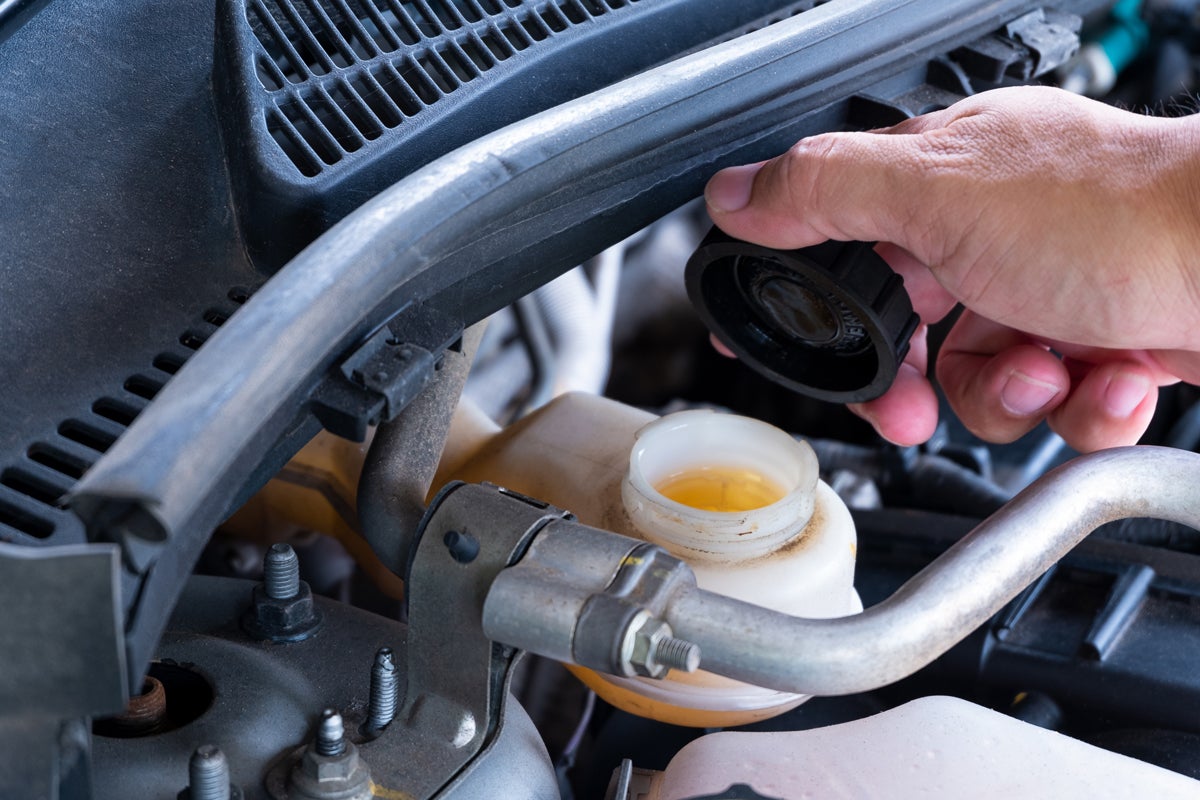
Your vehicle is a complex assembly of moving parts, and behind the scenes, a network of fluids plays a critical role in keeping everything running smoothly. From the engine to the transmission and beyond, these fluids are the unsung heroes of your vehicle’s performance and longevity.
Engine Oil: The Heartbeat of Your Vehicle
Engine oil is the lifeblood of your vehicle, ensuring that all moving parts within the engine stay lubricated. Regular oil checks and changes are essential in preventing friction and wear, maintaining optimal engine temperature, and maximizing fuel efficiency. Over time, engine oil can become contaminated, losing its effectiveness. Routine maintenance, including oil changes, is vital for the longevity and efficiency of your vehicle.
Transmission Fluid: Seamless Gear Changes
The transmission fluid in your vehicle facilitates smooth gear changes, ensuring that power is transmitted efficiently from the engine to the wheels. Over time, transmission fluid can degrade, leading to sluggish gear shifts and potential damage to the transmission system. Regular checks and fluid changes can prevent these issues, keeping your vehicle’s transmission in top condition.
Brake Fluid: Stopping Safely
Brake fluid is a crucial component of your vehicle’s braking system. It transfers the force from your foot on the brake pedal to the brake components. Over time, brake fluid can absorb moisture, compromising its effectiveness. Regular checks and changes are essential to maintain proper brake function, ensuring your vehicle stops safely when you need it to.
Coolant: Regulating Engine Temperature
Coolant, also known as antifreeze, plays a vital role in regulating your vehicle’s engine temperature. It prevents the engine from overheating in hot conditions and protects against freezing in cold temperatures. Regular checks and changes of the coolant help prevent engine damage, ensuring your vehicle operates at the right temperature under various conditions.
Power Steering Fluid: Effortless Maneuvers
Power steering fluid assists you in making those smooth, effortless turns. Regular checks ensure that your power steering system functions optimally, preventing stiffness or jerky movements. A well-maintained power steering system contributes to a comfortable and safe driving experience.
Regular fluid maintenance is a simple yet effective way to keep your vehicle running smoothly. By paying attention to the fluids that keep your vehicle’s systems operating, you contribute to its overall health and longevity.
Alignment Precision: Maximizing Vehicle Longevity
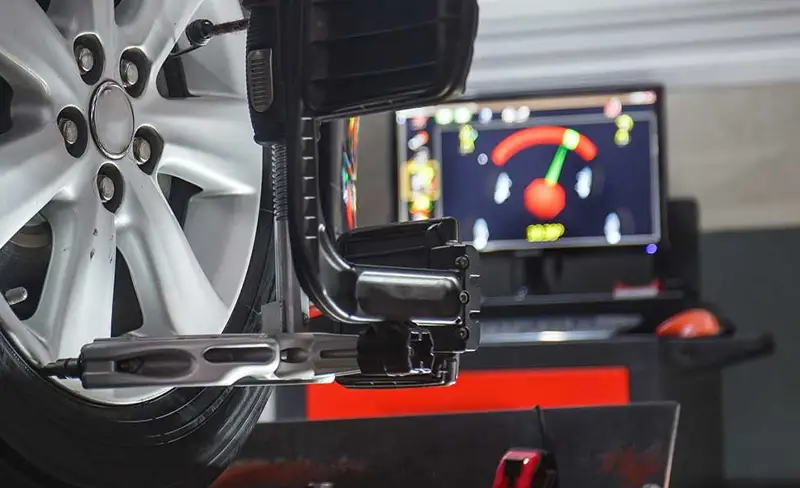
In the intricate ballet of components that make up your vehicle, one often overlooked but critical element is the alignment. At our auto repair shop, we understand that proper alignment isn’t just about straight paths; it’s the secret to unlocking optimal performance, safety, and longevity for your beloved vehicle.
Understanding Alignment Service and The Benefits
- Alignment service is a crucial aspect of vehicle maintenance, impacting everything from tire wear to fuel efficiency and overall driving experience. Essentially, alignment refers to the proper adjustment of your vehicle’s suspension components, ensuring that the wheels are perpendicular to the ground and parallel to each other. Think of it as a finely tuned orchestra where each instrument plays in harmony – that’s what alignment achieves for your vehicle.
- The benefits of alignment service extend far beyond just maintaining a straight trajectory on the road. When your vehicle’s wheels are correctly aligned, it results in even tire wear. This not only prolongs the life of your tires but also contributes to better fuel efficiency. Misaligned wheels can cause uneven friction, leading to increased resistance and, subsequently, higher fuel consumption. With fuel prices on the rise, this aspect alone makes alignment services a cost-effective investment in the long run.
How to Determine When an Alignment Service is Needed
One of the noticeable effects of poor alignment is the dreaded steering wheel vibration. If your vehicle tends to veer to one side or if the steering wheel isn’t centered when driving straight, it’s a sign that your alignment is off. Ignoring these symptoms can lead to more severe issues, affecting not only your driving comfort but also your safety on the road.
The Intricacies of Alignment Service
So, what does the alignment service entail? At our Auto Repair Shop, our skilled technicians use state-of-the-art equipment to measure and adjust the angles of your vehicle’s wheels. The process involves adjusting the caster, camber, and toe angles to meet the manufacturer’s specifications. Caster refers to the angle of the steering axis, camber is the inward or outward tilt of the wheels, and toe is the angle of the wheels in relation to each other. Precision in these adjustments is crucial to achieve the desired handling and performance.
The Importance of Routine Alignment
Routine alignment services are an integral part of proper vehicle maintenance. As you drive, your vehicle naturally experiences wear and tear, impacting its alignment over time. Factors such as potholes, bumps, and everyday road conditions contribute to misalignments. Additionally, even a minor collision or brushing against a curb can throw your wheels out of alignment. To keep your vehicle running smoothly and to prevent premature wear on tires and suspension components, regular alignment checks should be incorporated into your maintenance schedule.
Neglecting alignment can lead to a domino effect of issues. Uneven tire wear not only reduces tire life but can also compromise the safety and handling of your vehicle. A misaligned vehicle may pull to one side, making steering control challenging and potentially leading to accidents. Moreover, the stress on suspension components can result in more extensive and costly repairs down the line.
Conclusion
Alignment service is the unsung hero of vehicle maintenance, quietly ensuring that your daily commute remains smooth, efficient, and safe. At our Auto Repair Shop, we emphasize the importance of regular alignment checks as a preventive measure to save you from costly repairs and keep your vehicle performing at its best. Remember, the key to a long and healthy life for your vehicle lies in the precision of alignment – an investment that pays off in the form of extended tire life, improved fuel efficiency, and a safer, more enjoyable driving experience. Trust our experts to align your vehicle with precision, because when it comes to your vehicle’s performance, every degree matters.
Decoding Vehicle Noises: Your Car’s SOS Signals
Have you ever been behind the wheel and suddenly heard a strange noise emanating from your vehicle? Whether it’s a mysterious clunk, an unsettling squeal, or a subtle hum, these noises are often your car’s way of sending an SOS signal, indicating that something might be amiss with one of its crucial components, systems, or parts. In this blog, we’ll explore common vehicle noises, their meaning, and the best way for vehicle owners to handle these situations.
What Do These Messages Sound Like, and What Components May Need Attention?
Exhaust System Woes: Rattling or Hissing
When your vehicle emits rattling or hissing sounds, it’s akin to the exhaust system raising its hand for attention. This auditory signal may indicate a loose or damaged heat shield, exhaust pipe, or muffler. Overlooking these sounds could lead to more than just an annoying noise; it could result in further damage and a decline in fuel efficiency. Addressing these issues promptly ensures that your vehicle’s breath remains unobstructed.
Engine Alarms: Knocking or Pinging
An engine’s rhythmic purr can be disrupted by knocking or pinging sounds, a subtle but significant cry for help. These noises often signify problems with the fuel and air mixture, potentially caused by faulty spark plugs or a malfunctioning sensor. Timely attention to these engine alarms is crucial, acting as a preventive measure against more severe engine issues down the road.
Engine Alarms: Ticking or Clicking
Similar to a heartbeat, the ticking or clicking sounds emanating from your engine may be signaling internal distress. Low oil levels, worn lifters, or other engine problems may be at play. Regular oil checks and changes act as the lifeblood, ensuring that your engine components remain well-lubricated and wear-resistant.
Brake System Cues: Squeaking or Grinding
The symphony takes a darker turn when the brake system chimes in with squeaking or grinding sounds. These unsettling notes often point to worn brake pads or damaged rotors. A prompt brake system inspection becomes a necessity, safeguarding not only your vehicle’s braking performance but also the safety of everyone on the road.
Suspension Distress: Clunking or Banging
As your vehicle encounters bumps and undulations, clunking or banging sounds may emerge, signaling potential trouble within the suspension system. Worn-out or damaged components, such as struts or bushings, could be the culprits. Addressing suspension distress promptly is akin to giving your vehicle a smoother ride and enhancing its handling prowess.
Transmission Troubles: Whining or Clunking
The transmission, a crucial component in the vehicle’s powertrain, communicates through whining or clunking sounds when it faces trouble. Low fluid levels or a failing torque converter may be the culprits. Timely transmission maintenance becomes the conductor’s wand, orchestrating harmony and preventing major repairs.
Tire-related Troubles: Thumping or Clicking
As your tires roll along the pavement, thumping or clicking sounds may disrupt the journey. These noises could be the tire’s way of communicating uneven wear, foreign objects lodged within, or damaged wheel bearings. Regular tire inspections and rotations act as the tire’s well-deserved encore, extending tire life and ensuring a safer voyage.
Steering System Signals: Squealing or Whining
The steering system, responsible for directing your vehicle’s course, may express distress through squealing or whining sounds. Problems with the power steering pump or low fluid levels could be the root cause. Addressing these steering system signals promptly ensures safe and effective control over your vehicle’s path.
Belts and Pulleys at Play: Squeaking or Chirping
Worn or loose belts and pulleys join the symphony with squeaking or chirping sounds. Regular inspections and replacements of these components prevent unexpected breakdowns, ensuring that your vehicle’s mechanical ensemble performs harmoniously.
Cooling System Concerns: Hissing or Bubbling
Beneath the hood, a cooling system in distress may audibly hiss or bubble, signaling potential leaks or radiator issues. Ignoring these cooling system concerns could lead to overheating and consequential engine damage. A timely inspection is the vehicle’s way of maintaining its cool demeanor.
Electrical Hiccups: Buzzing or Humming
In the realm of wires and currents, buzzing or humming sounds may signify electrical hiccups. Faulty components like alternators or relays could be the culprits. A prompt electrical system inspection is the troubleshooter, ensuring the seamless operation of your vehicle’s electronic ensemble.
Handling the Situation: A Vehicle Owner’s Guide
To ensure the longevity and optimal performance of your vehicle, it’s imperative to adopt a proactive approach towards its well-being by listening for unusual sounds, pinpointing the source of the noise, understanding your vehicle by reading over its manual, scheduling regular maintenance check-ups, and address issues as they arise is crucial to ensuring the longevity of a vehicle and its parts. Use this list to adopt the practices necessary for any vehicle’s health.
- Listen Attentively: Pay attention to any unusual sounds your vehicle makes. The sooner you identify a potential issue, the easier and less expensive it may be to fix.
- Identify the Source: Try to pinpoint the source of the noise. Is it coming from the engine, under the vehicle, or inside the cabin? This information can help your mechanic diagnose the problem more effectively.
- Consult the Owner’s Manual: Your vehicle’s owner’s manual is a valuable resource. It often includes information on common noises and what they might indicate. Use it as a reference guide.
- Schedule a Professional Inspection: If you’re unsure about the cause of a noise or if it persists, don’t hesitate to take your vehicle to a qualified mechanic. They have the expertise and tools to diagnose and address issues accurately.
- Regular Maintenance: Preventive maintenance is key to keeping your vehicle in optimal condition. Follow the manufacturer’s recommended maintenance schedule, including oil changes, brake inspections, and fluid checks.
- Address Issues Promptly: Once a problem is identified, address it promptly. Ignoring vehicle noises or delaying repairs can lead to more extensive and costly issues.
Conclusion
Your vehicle is equipped with a built-in communication system, and the noises it makes serve as vital signals about its well-being. By understanding these sounds and taking prompt action, you can keep your vehicle running smoothly, enhance safety, and potentially save on costly repairs. Treat your car’s SOS signals with the attention they deserve, and you’ll enjoy a more reliable and trouble-free driving experience.
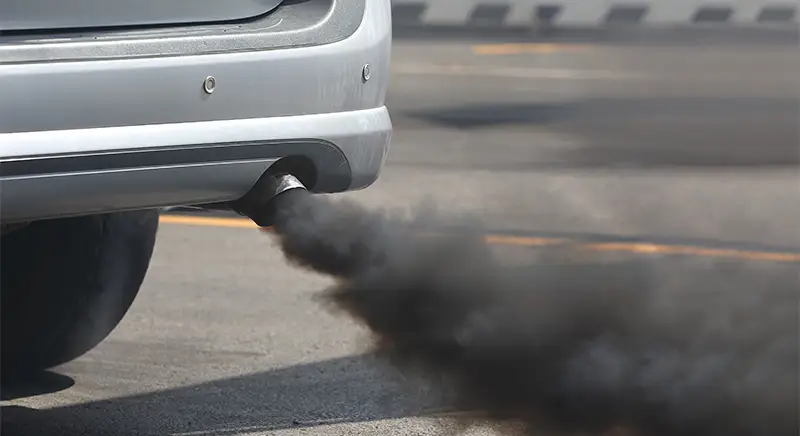
In today’s modern vehicles, the electrical system plays a pivotal role in powering numerous components and ensuring a smooth and comfortable driving experience. At the heart of this intricate system lies the battery, a seemingly unassuming component with a crucial role to play. In this blog, we will delve into the workings of a vehicle’s electrical system and explore the indispensable role that the battery plays in supporting its functionality.
The Vehicle Electrical System: A Network of Power
A modern vehicle’s electrical system is a complex network of components and circuits designed to generate, store, and distribute electrical power throughout the vehicle. This system is responsible for powering a wide range of functions, from starting the engine to providing electricity for lights, climate control, entertainment systems, and safety features.
Key Components of the Vehicle Electrical System
- Battery: As the primary power source and energy storage unit, the battery is the heart of the electrical system.
- Starter Motor: The starter motor is responsible for turning the engine over when you turn the ignition key, allowing the engine to start running.
- Alternator: Once the engine is running, the alternator takes over. It generates electrical power and charges the battery while also supplying power to various electrical components.
- Ignition System: This system is responsible for creating the spark needed to ignite the air-fuel mixture in the engine’s cylinders
- Lights: Headlights, taillights, brake lights, turn signals, and interior lights all rely on the electrical system.
- Climate Control: The heating, ventilation, and air conditioning (HVAC) system uses electrical components to control temperature and airflow.
- Entertainment Systems: Radios, speakers, infotainment systems, and navigation systems all rely on electricity.
- Safety Features: Electrical systems power safety features like airbags, anti-lock brakes, and stability control.
The Crucial Role of the Battery
The battery serves as the initial power source in a vehicle’s electrical system and plays several key roles:
- Starting the Engine: When you turn the ignition key, the battery delivers a burst of electrical energy to the starter motor. The starter motor then cranks the engine, allowing it to start running.
- Stabilizing Voltage: The battery helps stabilize the voltage in the electrical system. It acts as a buffer against voltage fluctuations, ensuring a consistent power supply to various components.
- Powering Accessories: When the engine is off, the battery continues to provide power to essential accessories like lights, the radio, and power windows.
- Supporting the Alternator: The battery works in tandem with the alternator. While the alternator generates electrical power when the engine is running, it also charges the battery, ensuring it remains at the optimal state of charge.
The Consequences of a Faulty Battery
A faulty battery can have a significant negative impact on a vehicle’s overall performance and reliability:
- Starting Problems: A weak or dead battery can result in slow cranking or difficulty starting the engine, potentially leaving you stranded.
- Electrical Malfunctions: A failing battery can lead to dimmed headlights, flickering interior lights, and erratic electrical behavior in various components.
- Alternator Strain: A weak battery forces the alternator to work harder to charge the battery and provide power, potentially leading to premature alternator failure.
- Reduced Fuel Efficiency: A malfunctioning battery can impact fuel efficiency as the engine control unit (ECU) may not operate efficiently.
- Stalling or Engine Cutoff: In some modern vehicles, a failing battery can result in stalling, or an engine cutoff as the ECU relies on a stable electrical supply.
- Shortened Battery Life: Neglecting a faulty battery can lead to further damage, shortening its overall lifespan and requiring more frequent replacements, which in turn can become costly depending on the vehicle’s make and model.
Conclusion
The electrical system in a vehicle is a sophisticated network of components designed to provide power for various functions, from starting the engine to powering safety features and entertainment systems. At the heart of this system, the battery plays a pivotal role, serving as the initial power source and stabilizing voltage fluctuations. Understanding the importance of the battery and its role in vehicle functionality underscores the need for regular maintenance and timely replacement when necessary. By ensuring a healthy electrical system, you can enjoy a reliable and trouble-free driving experience.
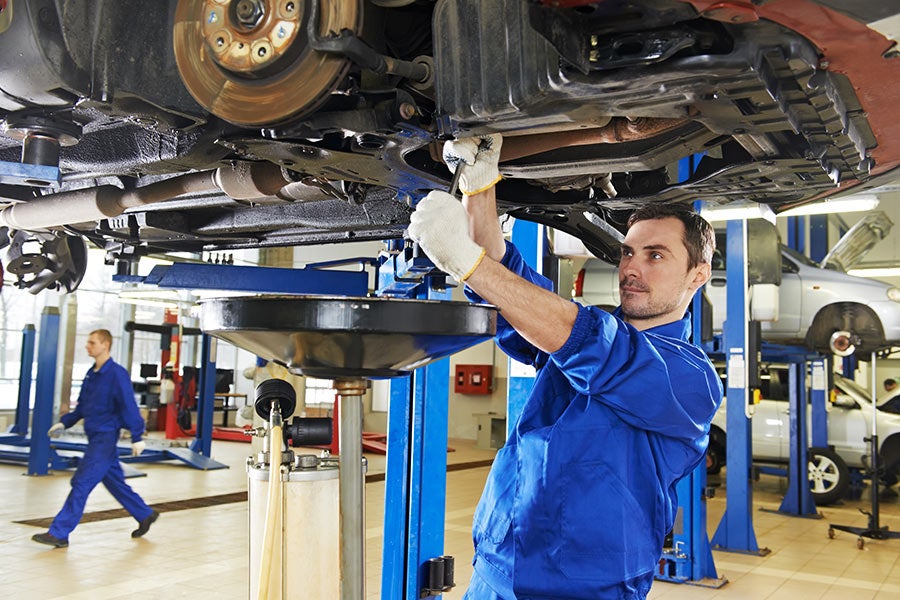
Your vehicle’s tires are the only point of contact between you and the road. That’s why it’s crucial to prioritize tire maintenance to ensure not only your safety but also the overall performance and longevity of your vehicle. In this blog, we’ll dive into the various aspects of tire maintenance, including tire repair, tire rotations, wheel alignments, wheel balancing, and when it’s time to replace your tires. By understanding the importance of each service and when to perform them, you can keep your vehicle running smoothly and extend its lifespan.
The Different Aspects of Tire Maintenance
- Tire Repair: Let’s start with the basics. Tire repair is often the first line of defense when you encounter a minor puncture or damage to your tire. It’s essential to address these issues promptly to prevent further damage. A damaged tire can lead to decreased fuel efficiency, reduced traction, and even a blowout if left unattended. If you notice a puncture or damage to your tire, consult your local auto repair shop immediately for assessment and repair.
- Tire Rotations: Tire rotations involve moving tires from one position on your vehicle to another. This practice helps ensure even tire wear. Front tires typically wear faster than rear ones due to the extra weight of the engine. Rotating your tires regularly can extend their lifespan, improve fuel efficiency, and provide a smoother ride. Experts recommend rotating your tires every 6,000 to 8,000 miles but check your vehicle’s manual for specific recommendations.
- Wheel Alignments: Proper wheel alignment is essential for maintaining control and stability while driving. Misaligned wheels can lead to uneven tire wear, causing your tires to wear out prematurely and reducing fuel efficiency. Signs of misalignment include steering wheel vibration, a vehicle pulling to one side, or uneven tire wear patterns. If you notice any of these signs, schedule a wheel alignment at your local automotive repair shop to ensure your tires are pointing in the right direction.
- Wheel Balancing: Wheel balancing is crucial for a smooth and vibration-free ride. Over time, your vehicle’s wheels can become unbalanced due to normal wear and tear. Unbalanced wheels can lead to uneven tire wear and decreased comfort while driving. If you experience vibrations in your steering wheel or seats, it’s a clear sign that your wheels may need balancing. Regular wheel balancing, typically done during tire rotations, helps extend tire life and ensures a comfortable ride.
- Replacing Tires When Necessary: Eventually, all tires wear out and need replacement. Tread depth is a key indicator of when it’s time to replace your tires. A common method to check tread depth is by using the “penny test.” Insert a penny into the tire’s tread with Lincoln’s head facing down. If you can see the top of Lincoln’s head, it’s time to replace the tire. Additionally, if you notice visible cracks, bulges, or other signs of tire damage, it’s crucial to replace the affected tires promptly to maintain your vehicle’s safety and performance.
The Importance of Listening to Your Vehicle:
Your vehicle often communicates when your tires need attention. Keep an eye out for warning signs such as:
- Uneven tire wear: If one tire is wearing out significantly faster than the others, it may indicate a problem with alignment or suspension.
- Vibrations: Steering wheel vibrations or a vibrating dashboard can signal issues with wheel balance or alignment.
- Pulling to one side: If your vehicle pulls to the left or right when driving on a straight road, it may be a sign of wheel misalignment.
- Reduced fuel efficiency: A sudden drop in fuel efficiency could be due to underinflated tires or other tire-related issues.
By paying attention to these signals and addressing them promptly, you can prevent costly repairs and ensure your vehicle operates at its best.
Conclusion
Tire maintenance is a vital aspect of vehicle ownership that should not be overlooked. Regular tire repair, rotations, wheel alignments, and balancing can extend the life of your tires, improve fuel efficiency, and provide a safer, smoother ride. Additionally, knowing when to replace your tires based on tread depth and visual inspections is essential for your safety on the road. Listening to your vehicle’s signals and staying on top of tire maintenance will not only save you money in the long run but also enhance your overall driving experience. So, make that appointment with your local auto repair shop today and give your tires the care they deserve.
Understanding Your Vehicle’s Warning Lights
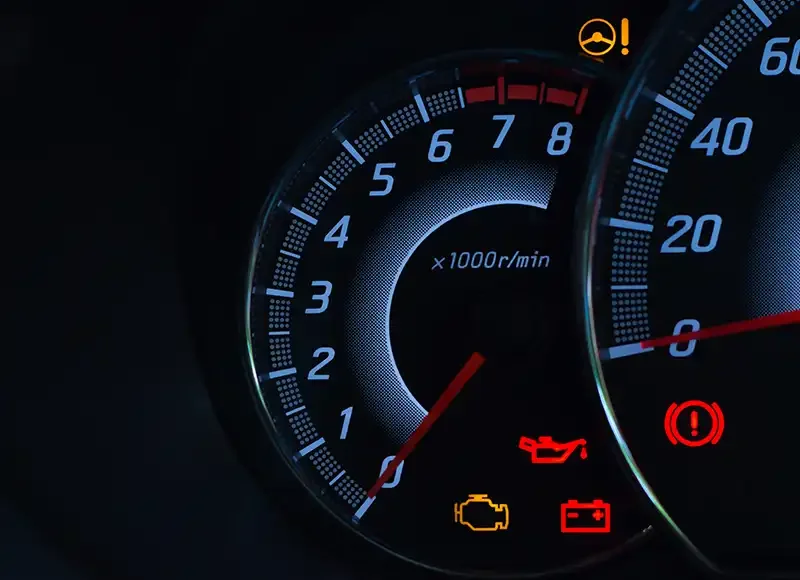
Modern vehicles come equipped with various dashboard warning lights designed to alert you when something requires your attention. These lights can be a bit confusing, but understanding what they mean is crucial for maintaining your vehicle’s health and safety. In this guide, we’ll demystify some common warning lights and what you should do when they illuminate.
Engine Warning Light
The engine warning light, often shaped like an engine block, is one of the most critical warning lights. When it lights up, it could indicate a range of issues, from minor ones like a loose gas cap to more severe problems with the engine’s components. If this light comes on, it’s best to have your vehicle checked by a professional mechanic to prevent further damage.
Brake System Warning Light
The brake system warning light looks like an exclamation point inside a circle and signals potential issues with your braking system. It could mean your brake fluid is low, your brake pads are worn, or there’s a more severe problem with your brakes. Given the crucial role brakes play in your safety, never ignore this warning light
Check Oil Warning Light
The oil can symbol, often accompanied by the word “OIL,” tells you that your engine’s oil level is low. Adequate oil is essential to lubricate the engine’s moving parts and prevent overheating. If you see this light, check your oil level and top it up if necessary. If it continues to illuminate, consult a mechanic as it may indicate an oil leak or other issues.
Battery Warning Light
The battery warning light, resembling a battery or the letters “ALT” (for alternator), signals potential problems with your vehicle’s electrical system. It could be a failing battery, a faulty alternator, or a loose or damaged alternator belt. Ignoring this light may lead to a dead battery and an inoperable vehicle.
Tire Pressure Monitoring System (TPMS) Light
The TPMS light looks like an exclamation point inside a horseshoe-shaped tire. When it lights up, it means there’s an issue with your vehicle’s tire pressure. Proper tire pressure is crucial for safety, handling, and fuel efficiency. If you see this light, check your tire pressure and inflate or deflate them as needed.
Understanding your vehicle’s warning lights is essential for maintaining your vehicle’s health and safety. If any warning light illuminates, it’s advisable to consult a professional mechanic to diagnose and address the issue promptly. Ignoring these warnings can lead to more severe problems and potentially compromise your safety on the road.
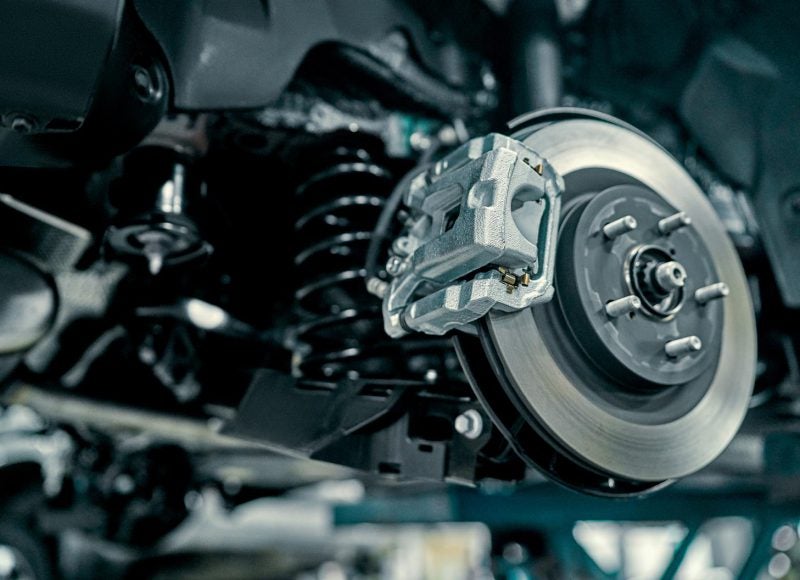
The braking system is one of the most critical components of any vehicle, ensuring the safety of both the driver and passengers. Proper maintenance and timely repairs are essential to keep the brake system in optimal working condition. By understanding the importance of brake system maintenance and repair, you can proactively address issues and ensure reliable and efficient braking performance.
Common Brake System Issues and Their Causes
The brake system plays a crucial role in the safe operation of a vehicle. However, it can encounter several issues that affect its effectiveness. It’s important to be aware of these common problems and their potential causes in order to address them promptly and implement the necessary repair techniques. Here are some key issues associated with brake systems:
- Squealing or Grinding Noises: Unusual noises like squealing or grinding when applying the brakes can indicate worn-out brake pads. Over time, brake pads wear down and lose their friction material, resulting in metal-to-metal contact and the accompanying noise.
- Pulsating Brake Pedal: If you feel a pulsation or vibration in the brake pedal when braking, it may be due to warped brake rotors. Warping can occur from excessive heat buildup or uneven cooling, leading to an uneven surface on the rotors and an irregular braking sensation.
- Reduced Braking Power: If you notice a significant decrease in braking power, it could be attributed to several factors. Worn brake pads, insufficient brake fluid, or a malfunctioning brake booster can all contribute to diminished braking effectiveness.
- Soft Brake Pedal: A soft or spongy brake pedal that requires excessive pressure to engage the brakes is often a sign of air in the brake lines or a brake fluid leak. Air in the system can lead to reduced hydraulic pressure, while fluid leaks can result in a loss of brake fluid, compromising the overall performance of the brakes.
Advanced Techniques in Brake System Repairs
Advancements in technology have led to the development of advanced techniques for brake system repairs. One such technique is brake pad sensor integration, which provides a warning indicator when the brake pads are worn and need replacement. Additionally, computerized diagnostic tools enable a precise analysis of the brake system, detecting any potential issues in the ABS (anti-lock braking system), brake fluid pressure, or sensor functionality. These advanced techniques allow for accurate diagnosis and efficient repairs, ensuring the proper functioning of the brake system.
The Role of Professional Brake System Repair Services
While some brake system repairs can be done by vehicle owners with the necessary skills and tools, it is advisable to seek professional brake system repair services for complex issues. A qualified auto repair shop has the expertise and specialized equipment to diagnose and address intricate brake system problems effectively. Professional technicians can also provide routine brake system maintenance, including brake fluid flushes, rotor resurfacing, and caliper servicing, to prevent future issues and maintain optimal brake performance.
By staying informed about the importance of brake system maintenance, common brake system issues, and advanced repair techniques, you can take proactive measures to ensure the safety and reliability of your vehicle’s braking system. Remember, for complex brake system repairs and maintenance, consult with a professional auto repair shop to benefit from their expertise and specialized services. With proper care and timely repairs, you can overcome barriers and enjoy a smooth and secure driving experience.
The electrical system is a vital component of your vehicle, responsible for powering essential functions and ensuring smooth operation. Understanding the basics of the electrical system is key to diagnosing and resolving common issues. From the battery that provides the initial power to the alternator that keeps it charged and the intricate network of wiring that connects everything, each element plays a crucial role in the electrical system’s functionality.
Common Electrical System Issues
Electrical problems in vehicles can manifest in various ways. It’s important to be aware of these common issues as they can be frustrating and impact the overall functionality of your vehicle. By familiarizing yourself with these problems, you can better identify their underlying causes and take appropriate measures for resolution. Here are some common electrical system issues to watch out for:
- Dead Battery: A dead or weak battery can prevent your vehicle from starting. This can be caused by a faulty battery, a drained battery due to leaving lights on, or issues with the charging system.
- Flickering Lights: If you notice your vehicle’s lights flickering or dimming, it could indicate a problem with the electrical system. This may be caused by a faulty alternator, loose connections, or a failing voltage regulator.
- Malfunctioning Power Windows: Power windows not working properly can be a sign of electrical issues. It could be due to a faulty window motor, wiring problems, or a malfunctioning switch.
- Intermittent Electrical Failures: Inconsistent operation of various electrical components, such as the radio, air conditioning, or dashboard lights, could be indicative of an electrical problem. Loose connections, damaged wiring, or a faulty control module may be the underlying causes.
By being aware of these common electrical system issues, you can stay vigilant and take prompt action when necessary. Identifying the root causes of these problems will help you address them effectively and ensure the smooth functioning of your vehicle’s electrical system.
Diagnosing and Repairing Electrical System Problems
Diagnosing and repairing electrical system problems require a systematic approach. When faced with electrical issues, start by inspecting the battery and checking for loose connections or corrosion. A faulty battery or poor connections can disrupt the entire electrical system. If the battery is in good condition, proceed to test the alternator’s output and examine the wiring for any signs of damage or loose connections. Specialized diagnostic tools can aid in identifying specific issues and ensuring accurate diagnosis.
Consulting Professional Auto Repair Services
While basic electrical system troubleshooting can be performed by vehicle owners, more complex issues may require professional assistance. If you lack the knowledge, experience, or diagnostic tools to tackle intricate electrical problems, it’s best to consult a trusted auto repair shop. Experienced technicians have the expertise to handle advanced diagnostics and repair procedures. They can accurately identify the root causes of electrical system issues and provide effective solutions to ensure your vehicle’s optimal performance and safety.
By shedding light on electrical system diagnostics and repair, we aim to empower vehicle owners to tackle common issues effectively. Remember, proper maintenance, regular inspections, and prompt attention to electrical problems can help prevent more significant issues and extend the lifespan of your vehicle’s electrical system.
Connect with us


- August 2024
- July 2024
- June 2024
- May 2024
- April 2024
- March 2024
- February 2024
- January 2024
- December 2023
- November 2023
- October 2023
- September 2023
- August 2023
- July 2023
- June 2023
- May 2023
- April 2023
- March 2023
- February 2023
- January 2023
- December 2022
- November 2022
- October 2022
- September 2022
- August 2022
- July 2022
- June 2022
- May 2022
- April 2022
- March 2022
- February 2022
- January 2022
- December 2021
- November 2021
- October 2021
- September 2021
- August 2021
- July 2021
- June 2021
- May 2021
- April 2021
- March 2021
- February 2021
- January 2021
- December 2020
- November 2020
- October 2020
- September 2020
- August 2020
- July 2020
- June 2020
- May 2020
- April 2020
- March 2020
- February 2020
- January 2020
- December 2019
- November 2019
- October 2019