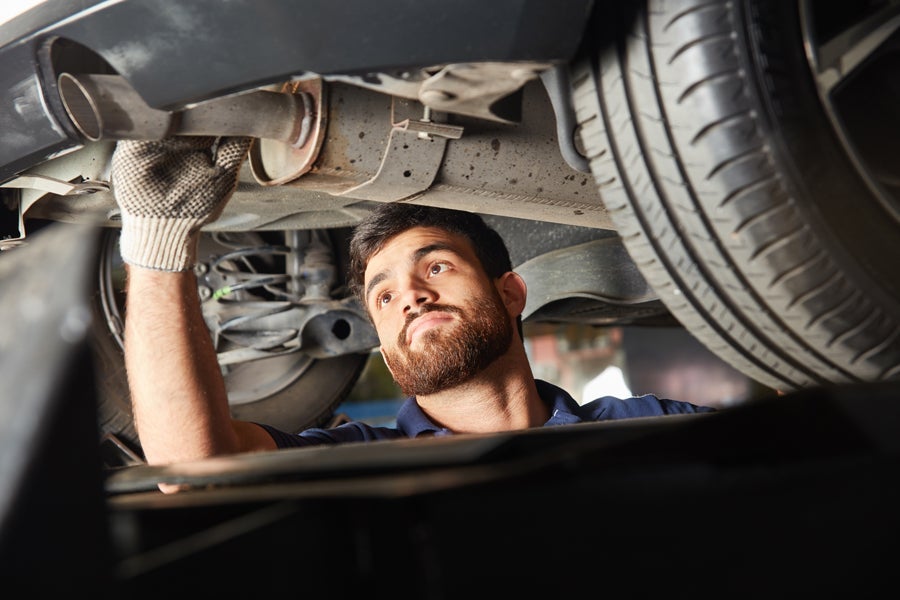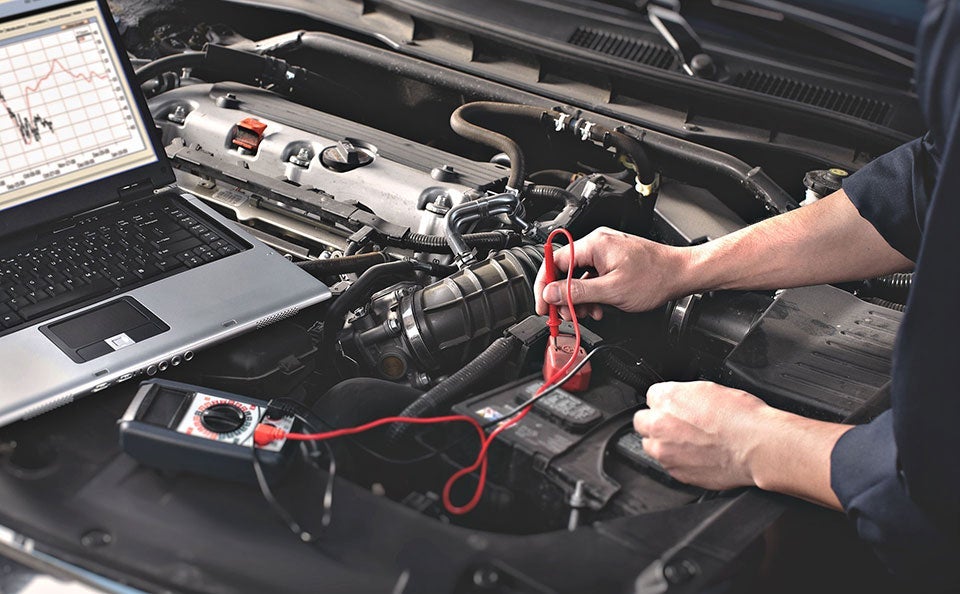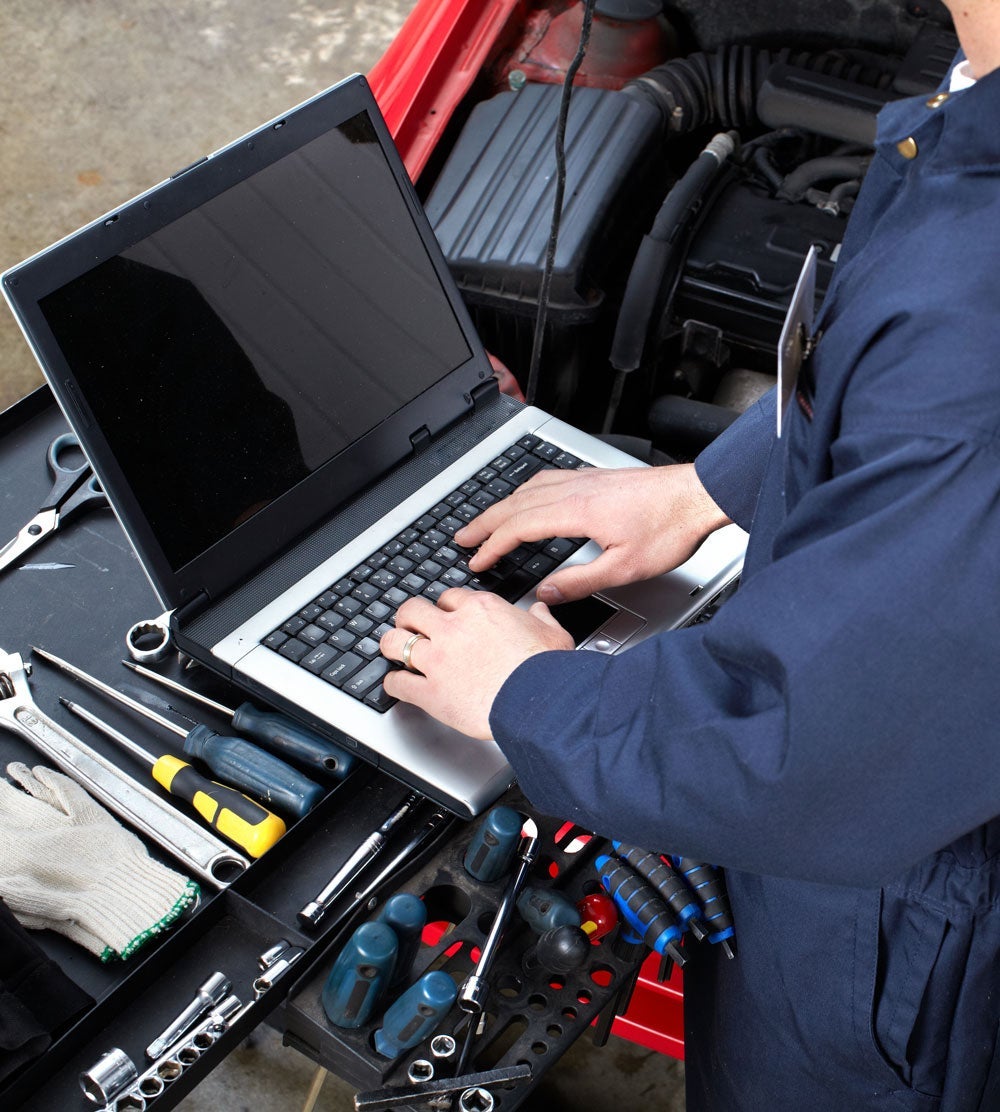

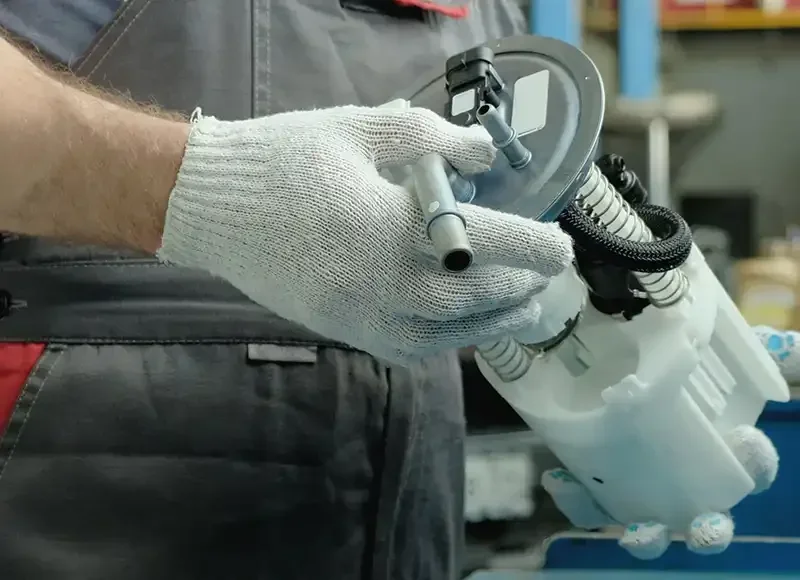
As vehicle owners, we often overlook the intricate systems that keep our machines running smoothly until something goes wrong. One such crucial component is the fuel line, a seemingly simple yet vital part of your vehicle's operation. Ignoring issues with your fuel line can lead to dire consequences, both for your vehicle's performance and your safety on the road. Understanding the Purpose of a Fuel Line The fuel line serves as the conduit through which gasoline or diesel flows from the fuel tank to the engine, where it's combusted to power the vehicle. Essentially, it's the lifeline of your vehicle, ensuring that the engine receives the fuel it needs to operate efficiently. Recognizing Signs of a Faulty Fuel Line Like most automotive problems, a faulty fuel line typically presents warning signs before it escalates into a major issue. Some common indicators that your vehicle's fuel line may need attention include: Fuel Leaks: Noticeable puddles of fuel underneath your vehicle or a strong smell of gasoline could signify a leak in the fuel line. Engine Performance Issues: If your engine sputters, hesitates, or stalls unexpectedly, it could be due to insufficient fuel reaching the engine, often caused by a clogged or damaged fuel line. Decreased Fuel Efficiency: A sudden drop in fuel efficiency could point to fuel line problems, as leaks or blockages can disrupt the smooth flow of fuel to the engine. Consequences of Neglecting Fuel Line Repair Ignoring issues with your fuel line can have serious repercussions, not only for your vehicle but also for your safety. A faulty fuel line can lead to: Engine Damage: Insufficient fuel supply can cause your engine to run lean, leading to overheating and potentially irreversible damage. Fire Hazard: Fuel leaks pose a significant fire hazard, as gasoline is highly flammable. A neglected leak can result in a catastrophic fire, endangering both occupants and bystanders. Environmental Impact: Fuel leaks not only waste precious resources but also contribute to environmental pollution, as spilled gasoline can contaminate soil and water sources. Why Professional Repair is Essential When faced with fuel line issues, seeking the expertise of a qualified technician is paramount. Attempting DIY repairs or trusting inexperienced individuals can exacerbate the problem and compromise your safety. Professional technicians have the knowledge, tools, and experience to accurately diagnose and repair fuel line issues, ensuring the continued reliability and safety of your vehicle. Conclusion: Trust Our Auto Repair Shop for Reliable Fuel Line Repairs Don't wait until a minor issue turns into a major headache. If you suspect problems with your vehicle's fuel line or notice any of the warning signs mentioned above, contact our auto repair shop immediately. Our team of skilled technicians will conduct a thorough inspection, diagnose the issue, and provide prompt and reliable repairs to get you back on the road safely. Your vehicle's performance and your safety are our top priorities. Call us today to schedule an appointment and experience the difference in expert automotive care.

Poor Acceleration Auto Repair Reasons
If you have been driving your car for a while, you know what to expect when you press down on the gas pedal. You should gain ample speed depending on how much pressure you apply. However, over time, cars can lose their ability to responsively accelerate. You might step on the gas and feel some hesitation. Combustion and Acceleration A car's combustion engine should get fuel from the engine, and then push the exhaust fumes away from the vehicle. This intricate system of sensors and other mechanics help the combustion process propel you automobile forward. When something in this system fails, your car might not accelerate as well as it used to. Reasons for this include: · Fuel system issues · A failed catalytic converter · A dirty or damaged Mass Air Flow Sensor (MAF) · A malfunctioning oxygen sensor · The timing belt · A dirty or clogged air filter Reasons for Poor Acceleration A vehicle that will not accelerate properly needs to be inspected as soon as possible. Knowing what to expect can help you approach your mechanic with your concerns and how much to expect in auto repair bills. Fuel System Problems When fuel delivery is lacking, vehicles will not accelerate properly. This could be due to issues like a fuel filter becoming clogged or dirty, the fuel injector getting clogged or malfunctioning, or the fuel pump being defective. Fuel injectors control the amount of fuel that is delivered to the combustion chamber. The delivery passages are relatively small and can become dirty/clogged over time with particles left over from the combustion-making process. A bad fuel pump can be a worst-case scenario. These pumps take fuel from the gas tank and pump it through the fuel lines to the engine. If a fuel pump goes bad, it will not deliver enough fuel for acceleration, potentially even leading to the engine stalling. The Catalytic Converter A failed catalytic converter means that the "cat" cannot get enough exhaust out of the engine, leading to a back up of pressure. This can also cause the engine to overheat. The MAF This sensor is attached to the inlet air cleaner and measures how much airflow gets into the engine's air intake system. If the system is clogged, it might send incorrect information to the car's computer. The Oxygen Sensor This sensor tracks the vehicle's oxygen emissions by analyzing the air-to-fuel ratio. This data is sent to the internal computer, but if the sensor is bad, the engine cannot properly regulate the air-to-fuel ratio. The Timing Belt The timing belt works with the engine's pistons and is attached to the camshaft (which controls the valves opening and closing) and crankshaft. The timing belt controls the timing of the valves opening and closing. If the belt is off by even a slight amount, the vehicle might not accelerate as quickly. The Air Filter Air filters filter out debris from the oxygen being sent to the engine for combustion. A dirty/clogged filter means that not enough clean air is making it into the engine for a proper air-to-fuel ratio. Whatever the cause, be sure to get an auto repair professional to service the vehicle as soon as possible. The longer you put it off, the worse your car's acceleration might become.