
Blog

Auto Electrical Diagnostics & Repair

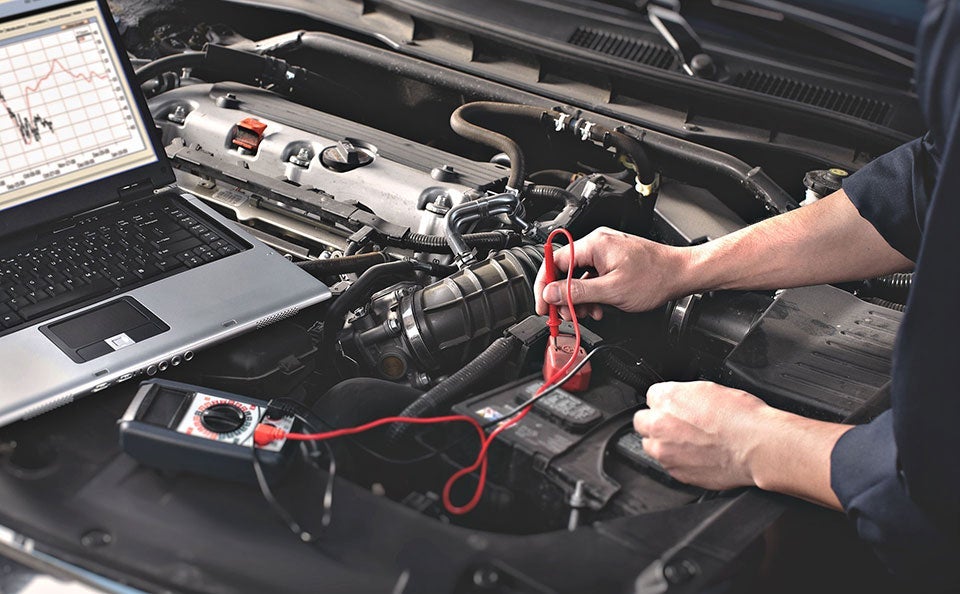
A battery being tested

When it comes to the electrical systems in your vehicle, even the smallest issue can have significant consequences. From a flickering dashboard light to a complete failure to start, electrical problems can leave you stranded and frustrated. That's where auto electrical diagnostics and repair come in. Understanding the complexities of vehicle electrical systems and knowing how to diagnose and repair issues is essential for keeping your vehicle running smoothly.

Understanding Vehicle Electrical Systems

Modern vehicles are equipped with a wide array of electrical components, ranging from the battery and alternator to sensors, switches, and computer modules. These components work together to power everything from the lights and radio to critical safety systems like airbags and ABS brakes. When any part of this intricate system malfunctions, it can lead to a variety of problems.

The Importance of Professional Diagnosis

Diagnosing electrical issues in a vehicle can be challenging, as symptoms often overlap and point to multiple potential causes. That's why professional auto electrical diagnostics are crucial. Experienced technicians have the knowledge, tools, and diagnostic equipment necessary to pinpoint the root cause of electrical problems quickly and accurately. This allows for efficient repairs that address the underlying issue, rather than just treating the symptoms.

Comprehensive Electrical Repair Services

Once the problem has been identified, skilled technicians can perform the necessary repairs to get your vehicle back on the road. Whether it's replacing a faulty component, repairing damaged wiring, or reprogramming a control module, professional auto electrical repair services cover a wide range of issues. By addressing electrical problems promptly and effectively, you can prevent further damage and ensure the continued reliability of your vehicle.

Common Electrical Issues

Electrical problems can manifest in various ways, often causing frustration and inconvenience for vehicle owners. Some common signs of electrical issues include dim or flickering lights, difficulty starting the engine, intermittent power loss, and malfunctioning accessories such as power windows or door locks. While these symptoms may seem minor at first, ignoring them can lead to more serious problems down the line. That's why it's essential to address any electrical issues promptly and seek professional diagnosis and repair when needed. By addressing electrical problems early, you can prevent more extensive damage and ensure the continued reliability of your vehicle.

Recommended Posts

driving2

Poor Acceleration Auto Repair Reasons

If you have been driving your car for a while, you know what to expect when you press down on the gas pedal. You should gain ample speed depending on how much pressure you apply. However, over time, cars can lose their ability to responsively accelerate. You might step on the gas and feel some hesitation. Combustion and Acceleration A car's combustion engine should get fuel from the engine, and then push the exhaust fumes away from the vehicle. This intricate system of sensors and other mechanics help the combustion process propel you automobile forward. When something in this system fails, your car might not accelerate as well as it used to. Reasons for this include: ·      Fuel system issues ·      A failed catalytic converter ·      A dirty or damaged Mass Air Flow Sensor (MAF) ·      A malfunctioning oxygen sensor ·      The timing belt ·      A dirty or clogged air filter Reasons for Poor Acceleration A vehicle that will not accelerate properly needs to be inspected as soon as possible. Knowing what to expect can help you approach your mechanic with your concerns and how much to expect in auto repair bills. Fuel System Problems When fuel delivery is lacking, vehicles will not accelerate properly. This could be due to issues like a fuel filter becoming clogged or dirty, the fuel injector getting clogged or malfunctioning, or the fuel pump being defective. Fuel injectors control the amount of fuel that is delivered to the combustion chamber. The delivery passages are relatively small and can become dirty/clogged over time with particles left over from the combustion-making process. A bad fuel pump can be a worst-case scenario. These pumps take fuel from the gas tank and pump it through the fuel lines to the engine. If a fuel pump goes bad, it will not deliver enough fuel for acceleration, potentially even leading to the engine stalling. The Catalytic Converter A failed catalytic converter means that the "cat" cannot get enough exhaust out of the engine, leading to a back up of pressure. This can also cause the engine to overheat. The MAF This sensor is attached to the inlet air cleaner and measures how much airflow gets into the engine's air intake system. If the system is clogged, it might send incorrect information to the car's computer. The Oxygen Sensor This sensor tracks the vehicle's oxygen emissions by analyzing the air-to-fuel ratio. This data is sent to the internal computer, but if the sensor is bad, the engine cannot properly regulate the air-to-fuel ratio. The Timing Belt The timing belt works with the engine's pistons and is attached to the camshaft (which controls the valves opening and closing) and crankshaft. The timing belt controls the timing of the valves opening and closing. If the belt is off by even a slight amount, the vehicle might not accelerate as quickly. The Air Filter Air filters filter out debris from the oxygen being sent to the engine for combustion. A dirty/clogged filter means that not enough clean air is making it into the engine for a proper air-to-fuel ratio. Whatever the cause, be sure to get an auto repair professional to service the vehicle as soon as possible. The longer you put it off, the worse your car's acceleration might become.

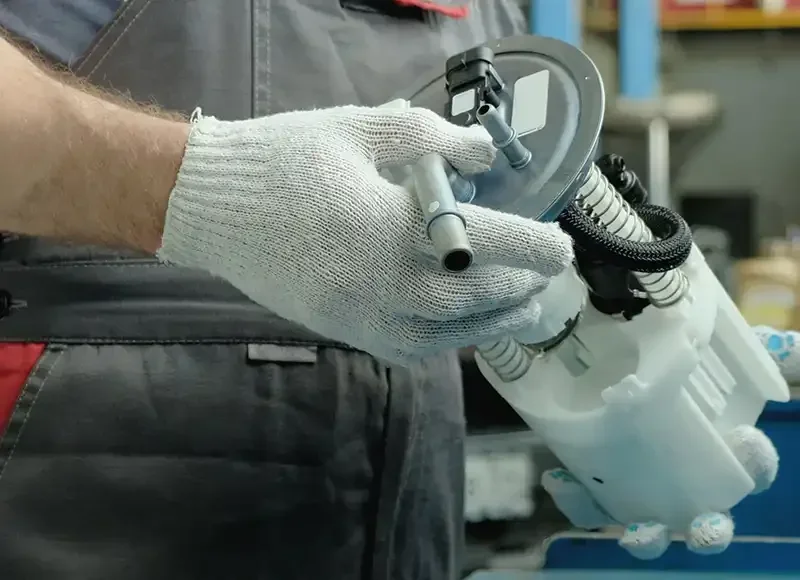
fuel pump

The Crucial Vehicle Fuel Line: Making Repairs on Time

As vehicle owners, we often overlook the intricate systems that keep our machines running smoothly until something goes wrong. One such crucial component is the fuel line, a seemingly simple yet vital part of your vehicle's operation. Ignoring issues with your fuel line can lead to dire consequences, both for your vehicle's performance and your safety on the road. Understanding the Purpose of a Fuel Line The fuel line serves as the conduit through which gasoline or diesel flows from the fuel tank to the engine, where it's combusted to power the vehicle. Essentially, it's the lifeline of your vehicle, ensuring that the engine receives the fuel it needs to operate efficiently. Recognizing Signs of a Faulty Fuel Line Like most automotive problems, a faulty fuel line typically presents warning signs before it escalates into a major issue. Some common indicators that your vehicle's fuel line may need attention include: Fuel Leaks: Noticeable puddles of fuel underneath your vehicle or a strong smell of gasoline could signify a leak in the fuel line. Engine Performance Issues: If your engine sputters, hesitates, or stalls unexpectedly, it could be due to insufficient fuel reaching the engine, often caused by a clogged or damaged fuel line. Decreased Fuel Efficiency: A sudden drop in fuel efficiency could point to fuel line problems, as leaks or blockages can disrupt the smooth flow of fuel to the engine. Consequences of Neglecting Fuel Line Repair Ignoring issues with your fuel line can have serious repercussions, not only for your vehicle but also for your safety. A faulty fuel line can lead to: Engine Damage: Insufficient fuel supply can cause your engine to run lean, leading to overheating and potentially irreversible damage. Fire Hazard: Fuel leaks pose a significant fire hazard, as gasoline is highly flammable. A neglected leak can result in a catastrophic fire, endangering both occupants and bystanders. Environmental Impact: Fuel leaks not only waste precious resources but also contribute to environmental pollution, as spilled gasoline can contaminate soil and water sources. Why Professional Repair is Essential When faced with fuel line issues, seeking the expertise of a qualified technician is paramount. Attempting DIY repairs or trusting inexperienced individuals can exacerbate the problem and compromise your safety. Professional technicians have the knowledge, tools, and experience to accurately diagnose and repair fuel line issues, ensuring the continued reliability and safety of your vehicle. Conclusion: Trust Our Auto Repair Shop for Reliable Fuel Line Repairs Don't wait until a minor issue turns into a major headache. If you suspect problems with your vehicle's fuel line or notice any of the warning signs mentioned above, contact our auto repair shop immediately. Our team of skilled technicians will conduct a thorough inspection, diagnose the issue, and provide prompt and reliable repairs to get you back on the road safely. Your vehicle's performance and your safety are our top priorities. Call us today to schedule an appointment and experience the difference in expert automotive care.

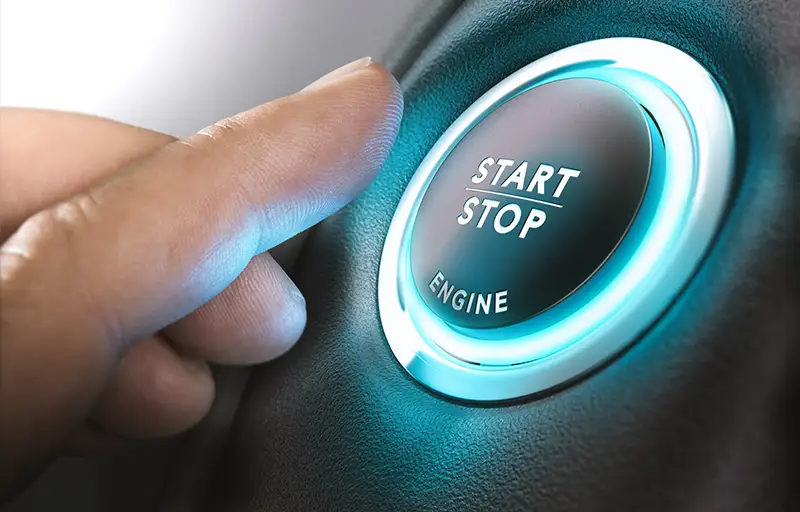
Person pressing an engine start button

Troubleshooting Vehicle Ignition Issues: Causes & Solutions

Few things are more frustrating than turning the key in your vehicle's ignition and hearing nothing but silence. Ignition failures can be complex, with a multitude of potential causes. Understanding these causes, along with the importance of professional assistance, is crucial for maintaining your vehicle's reliability and your peace of mind on the road. Exploring the Common Culprits of Ignition Failures Dead Battery: The most common reason for ignition failure is often a dead or depleted battery. Over time, batteries naturally lose their charge, but factors such as extreme temperatures, age, and electrical drain can accelerate this process. Jump-starting the vehicle or replacing the battery may be necessary to restore power and allow the engine to start. Faulty Starter Motor: When you turn the key and hear a clicking sound or grinding noise, it could indicate a problem with the starter motor. The starter is responsible for initiating the engine's cranking process, and a malfunctioning starter can prevent the engine from turning over. In such cases, replacement of the starter motor is typically required to resolve the issue. Ignition Switch Issues: The ignition switch serves as the gateway between the key and the vehicle's electrical system. If the ignition switch fails or becomes worn out, it can disrupt the electrical connection needed to start the engine. Symptoms of ignition switch problems include difficulty turning the key or intermittent starting issues. Repair or replacement of the ignition switch may be necessary to restore proper functionality. Fuel Delivery Problems: A properly functioning fuel system is essential for ignition to occur. Issues such as clogged fuel filters, a faulty fuel pump, or air in the fuel lines can disrupt fuel delivery to the engine, preventing ignition. Inspection of the fuel system and replacement of faulty components may be required to resolve the issue. Broken Ignition Coil: The ignition coil is responsible for generating the high voltage necessary to ignite the fuel-air mixture in the engine's cylinders. A damaged or faulty ignition coil can lead to weak or no spark, hindering ignition. Replacement of the faulty ignition coil is necessary to restore proper engine operation. Ignition System Failure: Components such as spark plugs, ignition wires, and distributor caps are integral parts of the ignition system. If any of these components become damaged or worn out, they can impair ignition and lead to starting problems. Inspection and replacement of damaged ignition components are necessary to ensure reliable ignition. Understanding the Role of Maintenance Regular maintenance is crucial for preventing ignition failures and ensuring the overall reliability of your vehicle. Routine inspections of the battery, starter, ignition system, and fuel system can help identify potential issues before they escalate into major problems. Ignoring maintenance increases the likelihood of ignition failure and can result in costly repairs down the line. Why Professional Assistance Matters While some DIY enthusiasts may attempt to diagnose and repair ignition issues themselves, seeking professional assistance is often the safest and most effective option. Professional automotive technicians have the knowledge, experience, and specialized tools necessary to accurately diagnose ignition problems and perform the appropriate repairs or part replacements. Attempting to troubleshoot ignition issues without the proper expertise can lead to further damage and potentially compromise your safety on the road. The Diagnostic Process at a Professional Automotive Facility When you bring your vehicle to a professional automotive facility for ignition-related issues, trained technicians will follow a systematic diagnostic process to identify the root cause of the problem. This process typically includes: Visual Inspection: The technician will visually inspect the ignition components for signs of wear, damage, or corrosion. Diagnostic Scan: Utilizing diagnostic equipment, the technician will scan the vehicle's computer system for error codes indicating ignition-related issues. Functional Testing: Various tests, such as voltage checks and circuit testing, will be performed to assess the functionality of ignition components. Component Replacement: Based on the diagnostic findings, the technician will replace any faulty ignition components, ensuring optimal performance. By entrusting your vehicle to professional technicians, you can have confidence that your ignition issues will be resolved correctly the first time, minimizing downtime and ensuring your safety on the road. Conclusion Understanding the myriad causes of ignition failures in vehicles underscores the importance of regular maintenance and seeking professional assistance when issues arise. By addressing ignition problems promptly and relying on the expertise of qualified technicians, you can ensure the continued reliability and safety of your vehicle. Don't let ignition failures leave you stranded—trust our auto repair shop for reliable diagnostics and repairs, and experience peace of mind knowing your vehicle is in expert hands. Schedule an appointment today and take the first step toward resolving any ignition-related issues and maintaining your vehicle's peak performance.